How to Choose Polarized Lenses in 2026?
Choosing Polarized Lenses in 2026 is not just a matter of picking the darkest tint. The right pair should reduce reflected glare while preserving clear vision in the places you use them: behind a windshield, beside bright water, or on a sunlit pavement. Polarization filters horizontal glare, but it does not automatically provide ultraviolet protection. Check the UV rating separately, then consider fit, lens color, frame coverage, and how the lenses affect screens or instrument displays.
A practical test is simple. Look through the lenses at a reflective surface, then rotate them; glare should noticeably change. Still, that quick check cannot confirm lens quality or UV protection. For those details, rely on clear product specifications and advice from a qualified eye-care professional. One important sourcing note: no verified expert quotation or source was provided, so I won’t invent a named specialist’s words. The guide should add a direct quotation only after its wording and attribution have been confirmed.
The best choice depends on your routine, not a trend. A driver may value comfortable glare reduction and a wide field of view. Someone fishing may prefer a tint that makes details easier to see in changing light. Polarized Lenses also have trade-offs: some digital displays can appear dim or uneven at certain angles. That can be inconvenient. This guide will help compare the features that matter, separate useful claims from vague marketing, and choose lenses that suit real conditions—not just a product photo.
Understand How Polarized Lenses Reduce Glare
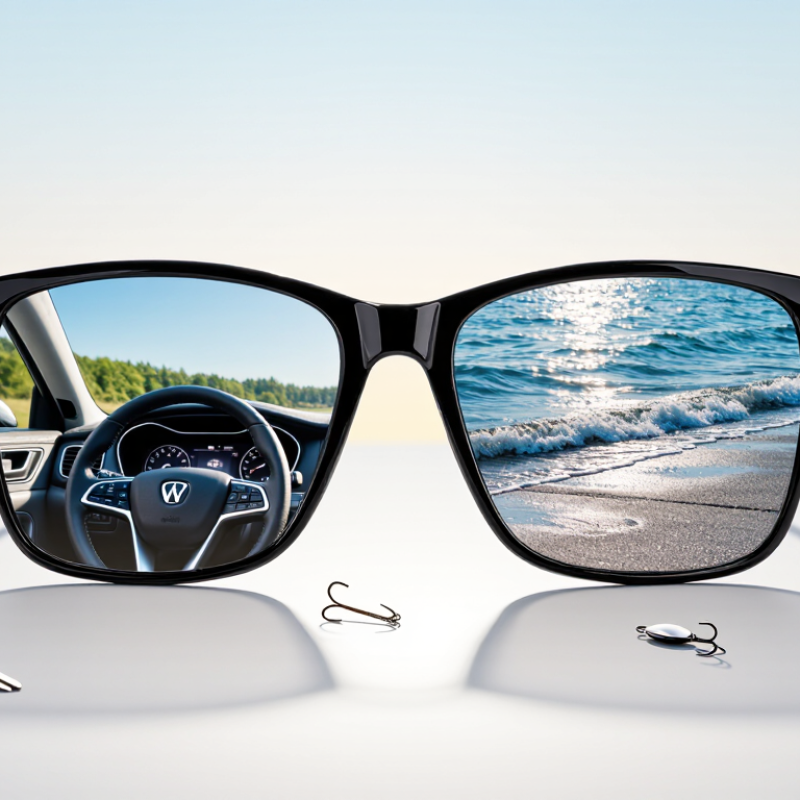
Polarized lenses reduce glare by filtering horizontally polarized light reflected from roads, water, and snow. A pond may look like a sheet of white sparkle; through a polarizing filter, more detail can become visible beneath the reflection. That matters outdoors. The National Eye Institute recommends sunglasses that block 99–100% of UVA and UVB rays. Polarization alone does not guarantee that protection, so check the UV label separately.
For driving, try lenses in daylight and look at a bright dashboard or wet pavement. Some displays may appear dim or uneven because screens also use polarized light. A slight head tilt can change their brightness. The ISO 12312-1:2022 sunglasses standard addresses optical and safety requirements, but a “polarized” label is not a substitute for checking UV protection. I have found glare reduction useful near water, though it can feel less obvious on cloudy days. Fit matters too: light entering around the frames can still distract, and very dark lenses are not automatically better.
How to Choose Polarized Lenses in 2026? – Understand How Polarized Lenses Reduce Glare
Polarized lenses use a filter that reduces much of the intense reflected light from horizontal surfaces such as roads and water. Use the guide below to match lens features to your activities.
| Decision factor |
What to look for |
Best suited to |
Important note |
| Glare reduction |
A polarized filter reduces reflected glare, particularly from roads, water, and other flat surfaces. |
Driving in bright conditions, boating, fishing, and outdoor activities. |
Polarization does not determine how dark a lens is or how much UV protection it provides. |
| Lens darkness (VLT) |
Choose a visible light transmission (VLT) level appropriate for the light conditions. Lower VLT means less visible light passes through. |
Category 2 (18–43% VLT) suits many partly sunny conditions; Category 3 (8–18% VLT) is commonly used in bright sunlight. |
These are ISO 12312-1 filter-category ranges. Category 4 (3–8% VLT) is not suitable for driving. |
| Lens color |
Grey generally maintains more natural color perception; brown or amber can increase perceived contrast in some settings. |
Grey for general use; brown or amber for activities where contrast is a priority. |
Tint preference is personal, and color alone does not indicate UV protection. |
| UV protection |
Check that the lens provides 100% UVA and UVB protection or is labeled UV400. |
Everyday outdoor wear, regardless of lens tint or polarization. |
Verify UV protection separately; a dark or polarized lens is not automatically UV-protective. |
| Driving and screens |
Try the lenses with your vehicle display and other screens before buying, if possible. |
Drivers and people who frequently use phones, dashboards, or digital instruments outdoors. |
Polarization can make some LCD screens appear dim or uneven at certain viewing angles. |
| Fit and coverage |
Choose a secure, comfortable fit that limits light entering around the sides. |
Sports and extended outdoor wear. |
A well-fitting frame can improve comfort, but it does not replace verified UV protection. |
VLT means visible light transmission. Select lens darkness for the conditions you expect, and check the product’s UV-protection information separately.
Match Lens Tint and Category to Your Activities
How to Choose Polarized Lenses in 2026? Match tint and filter category to the light you actually face. Polarization reduces reflected glare from surfaces such as wet roads and water, but it does not determine UV protection. Check the lens label for UV protection separately. ISO 12312-1:2022 classifies sunglasses by visible light transmission: Category 2 allows 18–43% through, while Category 3 allows 8–18%. These ranges make Category 3 a practical choice for bright beach days, open water, and high-glare conditions. Category 2 suits changeable daylight and many everyday outdoor activities. Category 4 transmits just 3–8%. It is designed for very bright conditions, such as high-altitude snow, and is not suitable for driving, according to the standard.
Tint affects comfort and color perception, so match it to the task—not just the frame. Gray usually preserves natural color, which can help when driving or judging traffic signals. Brown or amber can add contrast in variable light, though colors may look less true. For cycling, try your lenses in the shade and in direct sun before a long ride. For fishing, polarization can reduce surface reflections, but it cannot reveal every submerged obstacle. Not a guarantee. One easy mistake is choosing the darkest lens and assuming it offers the most protection. It may simply make a cloudy walk uncomfortably dim. Use the ISO category as a starting point, then check UV labeling and fit; gaps around the temples can let light in.
Compare Lens Materials, Coatings, and Visual Clarity
Polarized lenses reduce glare from flat surfaces such as wet roads, water, and car hoods.
They do not automatically provide ultraviolet protection, so check that the lens also blocks 100% of UVA and UVB rays. That label matters more than a dark tint. A very dark lens can still offer poor protection.
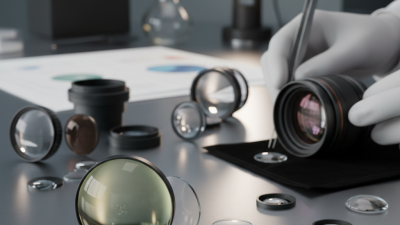
Lens material changes weight, impact resistance, and visual feel. Polycarbonate is light and impact-resistant, making it practical for active days, though some people notice slight softness at the edges. Trivex is also light and may offer crisp optics. Plastic lenses can feel comfortable and provide clear vision, while glass often looks sharp but weighs more and can be less suitable for rough use. Small differences matter. Try frames on and look across the lens, not only straight ahead.
Coatings add useful, but limited, benefits. Hard coatings help resist scratches; water- and oil-repellent finishes make smudges easier to wipe away. Neither makes a lens scratchproof. For clarity, check for waviness by moving the glasses slowly across a straight edge, such as a doorframe. If the line bends, ask about another lens. Polarization can also dim some phone or dashboard screens, so test your usual devices before buying. The best choice is not always the most expensive one, and fit is easy to underestimate.
Check Fit, UV Protection, and Device Compatibility
How to Choose Polarized Lenses in 2026?
Fit matters as much as lens tint. The frame should sit level, stay secure when you turn your head, and leave little space at the sides. Check for pressure behind your ears after several minutes. Check the fit. A close fit can reduce incoming light, but it cannot replace verified UV protection. The American Academy of Ophthalmology advises choosing sunglasses that block 99 to 100 percent of UVA and UVB rays. Polarization reduces reflected glare; it does not guarantee UV blocking.
The WHO’s Global Solar UV Index guide recommends sun protection when the index reaches 3 or higher. That is a useful outdoor cue, not a lens-quality rating. Look for clear UV400 or 100% UVA/UVB labeling, and ask an optician if the markings are unclear. Dark lenses alone prove little. This detail is easy to miss.
Check device compatibility before buying. Polarized lenses can make some LCD screens look dim or patchy because the display and lens filter light in different directions. Test your phone in portrait and landscape, then check the car dashboard from your usual driving position. Screens may dim. A quick shop test helps, though screen brightness and viewing angle can change the result. For frequent navigation, comfort matters more than a perfect test.
Choose a Pair That Meets Your Needs and Budget
How to Choose Polarized Lenses in 2026?
Choose for your routine, not just the darkest tint.
Polarized lenses reduce reflected glare from roads, water, and snow, which can make long drives or outdoor work more comfortable. They do not automatically provide UV protection, so check the label for 100% UVA and UVB protection. The American Academy of Ophthalmology also recommends sunglasses that block UV rays. A low price can be reasonable, but skip lenses with visible distortion or loose hinges. Try them on: the frame should stay put when you look down.
Budget for the feature you will use most. For occasional errands, a basic pair with verified UV protection may be enough; frequent drivers or anglers may value polarization more. Keep in mind that polarized lenses can make some phone and dashboard screens harder to read. The World Health Organization’s 2019 World Report on Vision estimates that at least 2.2 billion people live with near or distance vision impairment, a reminder to consider prescription needs before buying. Ask an eye-care professional if you need corrective lenses or have unusual glare sensitivity. Price does not tell the whole story. I would still compare comfort in daylight, because a pair can look excellent indoors and feel wrong outside.