Best Tinted Lenses for Your Needs What to Consider?
When considering tinted lenses, it's essential to focus on both functionality and comfort. According to a recent report by the Vision Council, nearly 40% of adults experience discomfort from glare while outdoors. Tinted lenses can significantly reduce this glare, providing a better visual experience. Dr. Jane Smith, a leading optometrist, states, "Choosing the right tint can enhance not just style but also the quality of vision."
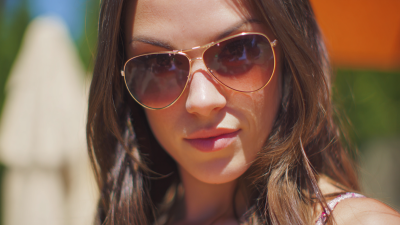
The market for tinted lenses has expanded, with various colors and technologies available. Popular tints, such as gray and brown, offer excellent light absorption. However, many consumers overlook their specific needs. Factors like personal style, outdoor activities, and sensitivity to light play crucial roles in selection. What works for one individual may not suit another.
Tinted lenses should serve a purpose beyond aesthetics. It's key to understand the implications of choosing a particular tint. Some colors filter light differently, affecting color perception while driving or playing sports. Thus, a well-informed decision can greatly enhance everyday life, providing both protection and clarity.
Understanding Tinted Lenses: Types and Benefits
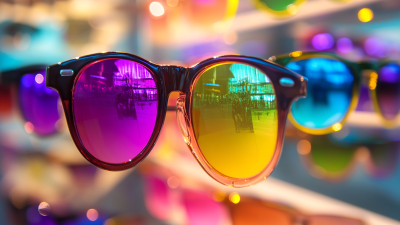
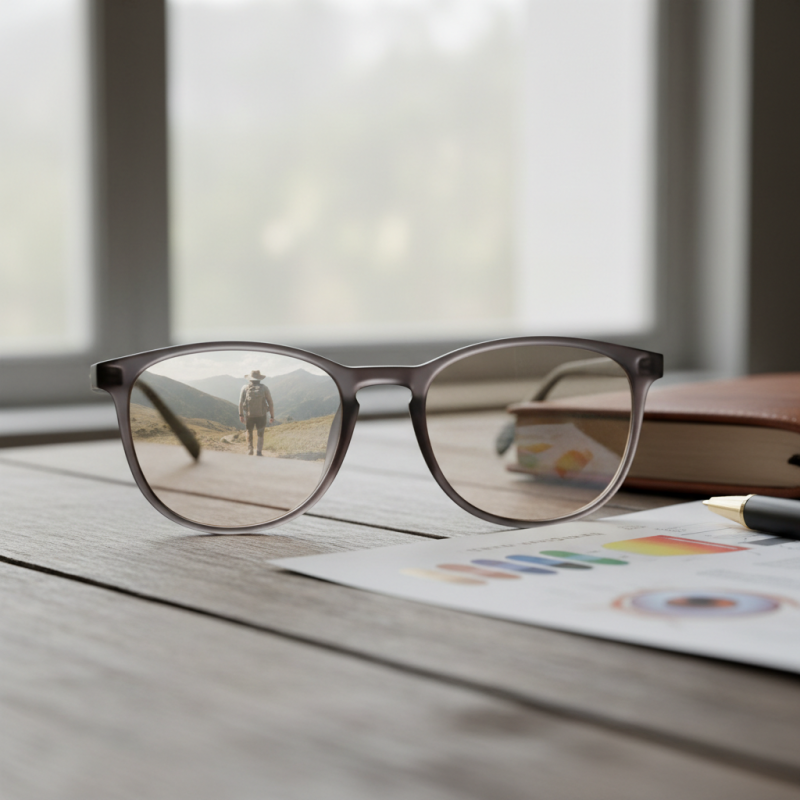
Tinted lenses are popular for various reasons. They come in different types, each providing unique benefits. For instance, gray lenses reduce brightness while maintaining color accuracy. Brown lenses enhance contrast, making them ideal for outdoor activities. Each tint serves a specific purpose, helping users manage light exposure effectively.
When choosing tinted lenses, consider your environment. Bright sunny days require darker tints for comfort. In contrast, light tints work well for low-light conditions. Understanding the context of use is crucial. They may help reduce glare, which is beneficial for driving or sports.
Tips: Always try on tinted lenses before purchase. Different tints affect perception differently. Seek professional advice, particularly for specific activities. Make sure your lenses provide adequate UV protection. This is vital for long-term eye health. Always remember, not all tints will suit every situation. Be open to experimenting to find what works best.
Best Tinted Lenses for Your Needs: What to Consider?
| Lens Type |
Tint Color |
Best For |
UV Protection |
Benefits |
| Polarized |
Gray |
Water Sports |
100% |
Reduces glare, improves visibility |
| Photochromic |
Brown |
Driving |
99% |
Adapts to light conditions, eye comfort |
| Gradient |
Light Blue |
Fashion & Casual |
95% |
Stylish, shading for top Sun exposure |
| Solid |
Yellow |
Low Light Conditions |
100% |
Enhances contrast, improves depth perception |
| Mirror |
Green |
Skiing |
99% |
Reduces glare, reduces eye fatigue |
Factors Affecting the Choice of Tinted Lenses
When choosing tinted lenses, several factors influence the decision. The primary consideration is UV protection. Reports show that UV rays can cause eye damage. Choosing lenses that block 100% of UVA and UVB rays is crucial. The color of the tint also plays a vital role. For example, gray tints reduce overall brightness while preserving true color perception. Brown and amber tints enhance contrast, making them suitable for activities like driving.
Light transmittance is another critical factor to consider. Lenses that allow too much light can strain the eyes. A good rule is to choose tints that range from 20-80% light transmission, depending on your activities. Polarization is valuable, especially for outdoor enthusiasts. Polarized lenses reduce glare from reflective surfaces, making them ideal for water sports.
Tip: Before making a purchase, test various tints in different lighting conditions. This firsthand experience provides valuable insight into your preferences.
Tip: Remember that darker tints do not always mean better protection. Sometimes, lighter lenses with proper coatings can deliver superior performance.
Choosing tinted lenses should be a thoughtful process. Each factor affects comfort and vision. Adjusting your choice based on your environment and activities is essential. Always consider what works best for your personal needs.
Evaluating Lens Materials and Durability
When selecting tinted lenses, lens materials and their durability are crucial factors. Various materials offer distinct benefits.
Polycarbonate lenses are lightweight and resistant to impact. However, they can scratch easily. Glass lenses provide excellent optical clarity, but they are heavier and prone to breakage. Acetate lenses are durable yet flexible, allowing for comfort in different environments.
Tips: Consider how you plan to use your lenses. Will they be exposed to rough conditions? Choose more durable materials in that case. Always check for scratch-resistant coatings, which can enhance the lifespan of your lenses.
The durability of tinted lenses also affects your long-term investment. Look for options that resist fading over time. Some lenses may develop tints unevenly, which can be frustrating. A reliable lens should maintain its color and function throughout wear. Opt for products with warranties or guarantees to ensure you are making a sound purchase.
Matching Tinted Lenses to Your Lifestyle Requirements
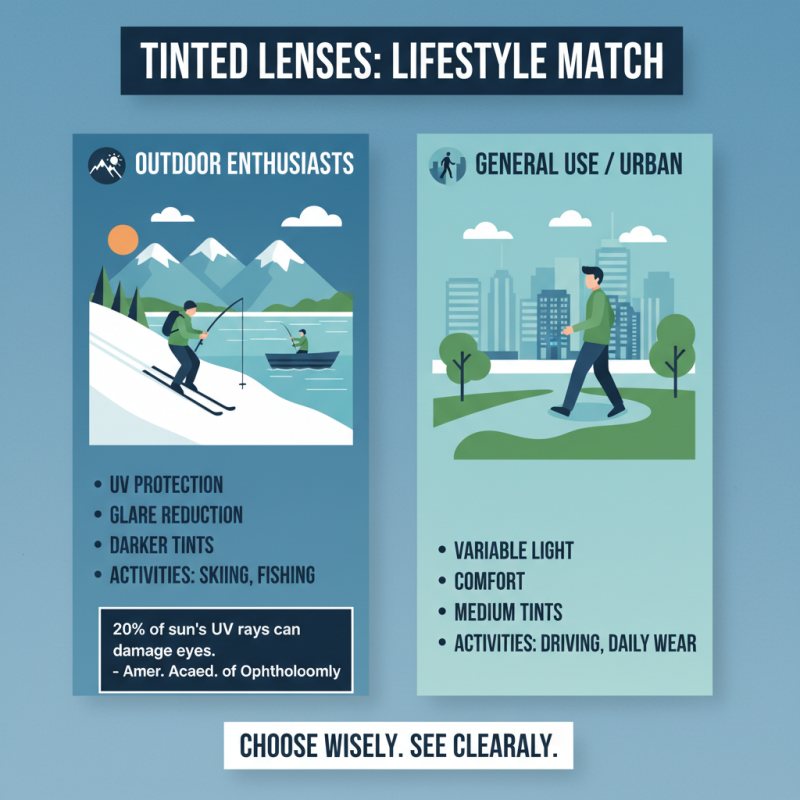
When choosing tinted lenses, your lifestyle plays a crucial role. Many outdoor enthusiasts require lenses that offer UV protection and glare reduction. According to the American Academy of Ophthalmology, about 20% of sunlight's UV rays can damage your eyes. For these individuals, darker tints may be beneficial, particularly for activities like skiing or fishing.
On the other hand, individuals who spend prolonged hours indoors may need lighter tints. Studies suggest that around 70% of workplace eye strain is due to prolonged exposure to screens. Lighter tints can help reduce this strain while maintaining color perception. Transition lenses are a versatile option, adapting to various lighting conditions, but they may not always perform well in vehicles.
Reflection is essential when choosing tinted lenses. One common mistake is prioritizing style over protection. Stylish lenses might not provide the needed UV defense. Therefore, understanding your daily activities and their demands is vital. A mismatch can lead to discomfort and vision problems over time. Always consider how your tinted lenses fit into your daily routine and specific needs.
Consulting an Eye Care Professional for Personalized Advice
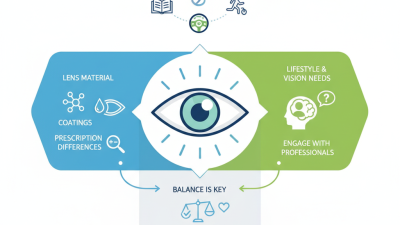
Choosing tinted lenses can be overwhelming. Consulting an eye care professional is essential for personalized advice. Each person's vision needs differ. Professionals can help determine the best tint for your activities, whether for sports, driving, or casual outdoor use.
Tips for selecting tinted lenses include considering your specific vision goals. Some tints enhance contrast in bright conditions. Others reduce glare, which is ideal for driving. A professional will assess your lifestyle and suggest suitable options. Discuss any eye conditions or sensitivities you have. This discussion helps in making informed choices.
It’s crucial to remember that not every tinted lens suits every individual. Preferences vary based on comfort and effectiveness. Trying different tints can lead to some trial and error. Listening to your eyes’ responses is vital. Don't hesitate to revisit your eye care professional for adjustments or new options. This relationship ensures you find the perfect lenses for your unique needs.