Why Are Transition Lenses So Popular?
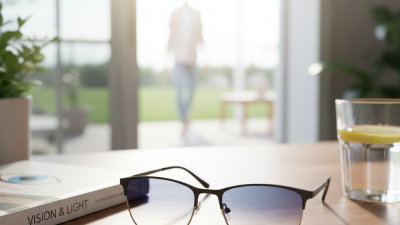
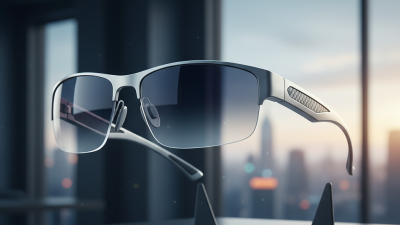
Transition Lenses appeal because they respond to changing light without asking you to switch glasses. Walk from a dim office into bright afternoon sun, and the lenses gradually darken. Return indoors, and they fade toward clear again. One pair can feel simpler than carrying sunglasses everywhere. Convenience matters.
Optometrist and eye-care educator Dr. Gary Heiting has described the basic function of photochromic lenses: they darken in sunlight and become clearer indoors. In paraphrase, that is their promise—not magic, just a light-responsive lens. The experience can vary, though. Temperature, lens design, and the amount of ultraviolet light all affect how dark lenses become. Many car windshields block much of the UV light that activates standard photochromic lenses, so they may not darken as much behind the wheel. That detail can surprise first-time wearers.
For people who move between indoor and outdoor settings, Transition Lenses can reduce glare and make daily routines feel easier. Yet they are not perfect sunglasses for every situation, and some users may prefer separate polarized sunwear for driving or intense glare. The best choice depends on prescription, habits, and expectations. A short conversation with an optician or optometrist can help set those expectations. That matters. Popularity explains the appeal, but personal comfort decides whether the lenses truly fit your day.
What Are Transition Lenses?
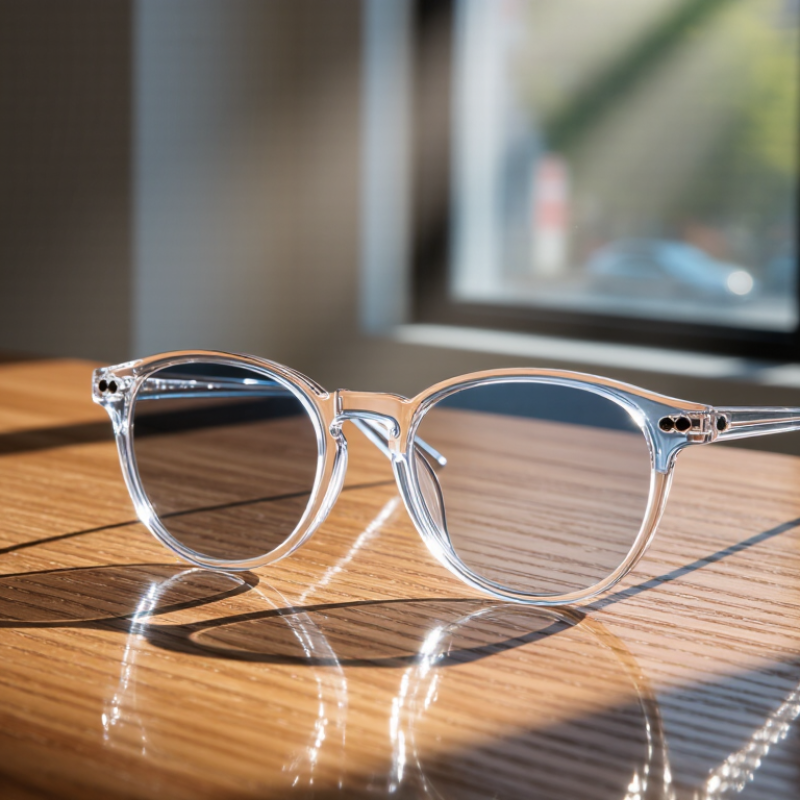
Transition lenses are eyeglass lenses that change tint when exposed to ultraviolet light. Outdoors, light-sensitive materials in the lens react to UV rays and gradually darken. Indoors, the reaction reverses, and the lenses become clearer again. The change is automatic. No switch is needed.
These lenses can be made with prescription or non-prescription options, depending on the wearer’s needs. Their tint and clearing speed vary with the lens design, temperature, and amount of UV exposure. On a cold, bright walk, they may become darker than on a warm afternoon. Inside a car, a windshield can block much of the UV light, so some lenses may not darken as much as expected. That can feel uneven. They also do not necessarily replace dedicated sunglasses; check the lens specifications for UV protection and driving suitability. A useful detail is easy to miss: “clear indoors” may still mean a faint residual tint. If color accuracy matters for work or hobbies, try the lenses in your usual lighting before relying on them every day.
How Photochromic Lenses Adapt to Changing Light
Photochromic lenses respond to changing light rather than switching instantly. Many react to ultraviolet radiation, while some also respond to short-wavelength visible light. Their molecules change structure and absorb more light outdoors, then gradually return toward a clearer state indoors. The effect is easy to notice when walking from a shaded hallway into bright afternoon sun. It is not magic. Temperature, exposure, and lens design all affect how dark the lenses become and how quickly they fade. Behind a car windshield, UV-triggered lenses may darken less because the glass blocks much UV; visible-light-responsive designs can behave differently.
The practical appeal is reflected in market demand. Grand View Research estimated the global photochromic-lens market at about US$5.3 billion in 2023. That figure describes sales, not optical performance. For performance requirements, ISO 8980-3:2022 sets transmittance specifications and test methods for finished spectacle lenses. Still, a standard cannot tell you exactly how a pair will feel on a cloudy walk or in a warm car. Convenience is not perfection. Photochromic lenses may not replace dedicated sunglasses in every bright setting, and transition speed varies between products. A real-world check matters: compare indoor clarity, outdoor tint, and driving performance before choosing.
Everyday Benefits of Automatic Tint Adjustment
Why Are Transition Lenses So Popular?
Everyday Benefits of Automatic Tint Adjustment
Automatic tint adjustment means one pair of glasses can adapt to changing light. Outdoors, many photochromic lenses darken when exposed to ultraviolet light. On a sunny walk, that can reduce glare without needing to switch to sunglasses. The tint usually fades indoors, making everyday transitions simpler. No case to carry.
The change is gradual, not instant. Moving from bright pavement into a dim café may leave the lenses tinted for a short while. The timing varies with the lens design, temperature, and light exposure. Many standard photochromic lenses also darken less inside cars because windshields filter much of the ultraviolet light that activates them. That surprises some wearers.
For commuters, parents, and people who move between indoor and outdoor spaces, fewer lens changes can make a busy day feel easier. A quick trip to the mailbox or a walk across a parking lot becomes less of a hassle. Still, automatic tinting is not a substitute for choosing eyewear suited to a specific activity. The convenience is real, though not perfect. A brief delay in changing tint can feel awkward when the light shifts quickly.
Why Convenience and Versatility Make Them Popular
Why Are Transition Lenses So Popular?
Convenience and versatility explain much of the appeal. One pair can serve indoors and outdoors, reducing the need to switch between clear glasses and separate sunglasses. The Vision Council’s 2023 Consumer inSights report found that 76% of U.S. adults use some form of vision correction. For many, lenses that adapt to changing light fit naturally into an already familiar routine. Step outside to a bright pavement, then back into a shop. No case to dig through. No spare pair left in the car.
The flexibility is useful, but not flawless. Darkening speed and tint can vary with temperature and light conditions. Many car windshields block much of the ultraviolet light that activates photochromic lenses, so the lenses may stay lighter while driving. They are not a universal replacement for dedicated sunglasses, especially for people who need a consistently dark tint. That trade-off is easy to overlook.
Tips: Ask an optician how the lenses perform in your usual settings, including behind a windshield. Check the lens’s UV protection and indoor clarity, too. Test them outdoors before relying on them for long drives. Small details matter.
Why Are Transition Lenses So Popular? — Why Convenience and Versatility Make Them Popular
| Popularity Factor |
How the Lenses Work |
Everyday Advantage |
Useful to Know |
| Two-in-one eyewear |
Photochromic lenses change from clearer indoors to darker outdoors in response to light, especially ultraviolet (UV) radiation. |
One pair can serve as everyday prescription glasses and light-adaptive eyewear, reducing the need to switch pairs. |
They may not become as dark as dedicated sunglasses in every setting. |
| Changing light conditions |
The lenses adjust their tint as light exposure changes, then gradually return toward their clearer state when the activating light decreases. |
They can be convenient when moving between indoor spaces and outdoor environments during the day. |
The tint does not change instantaneously; activation and fading take time. |
| Hands-free convenience |
Light-responsive material adjusts the lens tint without the wearer having to put on or remove a separate pair of sunglasses. |
This can simplify errands, walks, and other activities that involve frequent changes in light. |
People who need strong, consistent sun protection may still prefer dedicated sunglasses for some activities. |
| UV-related response |
Many photochromic lenses are activated primarily by UV exposure; the exact response depends on the lens design. |
Their outdoor tint can make bright conditions more comfortable while allowing the wearer to keep their regular prescription lenses on. |
Check the lens specifications for UV protection rather than assuming all lenses offer identical protection. |
| Driving and windshields |
Many standard vehicle windshields filter much of the UV radiation that activates conventional photochromic lenses. |
They remain useful for everyday wear, but their outdoor-darkening feature may be limited inside a car. |
Tint response while driving varies by lens technology, vehicle glass, and light conditions. |
| Temperature and conditions |
Temperature can affect how dark some photochromic lenses become and how quickly they return to a clearer state. |
They adapt across many normal daily conditions without requiring a separate manual adjustment. |
Tint depth and transition speed can vary with the lens type, temperature, and amount of activating light. |
Note: Photochromic performance varies by lens design and environmental conditions. Follow the lens specifications and consult an eye-care professional when choosing eyewear.
Factors to Consider When Choosing Transition Lenses
Transition lenses are convenient, but the right pair depends on where and how you use them. Consider how quickly the lenses darken and clear, and whether their tint suits bright outdoor conditions. Response can vary with temperature; some lenses may darken less on hot days. That matters.
Tips: Check the lens specifications for UV protection and ask whether the tint changes behind a car windshield. Many windshields limit the UV that activates photochromic lenses, so driving performance may differ from walking outside. Try them in the settings you use most.
Also consider your prescription, frame size, and daily routine. A larger lens may offer more coverage, while coatings can help reduce reflections or make cleaning easier. If you need strong sun protection while driving, separate sunglasses may still be useful. There is no perfect option for every situation. I’d compare practical features with an eye care professional, rather than choosing by darkness alone.
Why Are Transition Lenses So Popular? Factors to Consider When Choosing
Photochromic lenses adapt to changing light, offering convenience for everyday wear. This chart summarizes typical behavior—not a performance rating. UV protection depends on the lens; check its specifications.
A value of 1 indicates a typical feature; 0 means the feature should not be assumed and needs checking. Darkening can vary with temperature, UV exposure, lens technology, and vehicle windshields.