2026 Top Photochromic Sunglasses Trends for Global Shoppers?
As we approach 2026, the demand for Photochromic Sunglasses continues to rise among global consumers. According to a recent report by MarketWatch, the market is projected to grow at a CAGR of 7.5% over the next five years. This trend reflects the increasing desire for versatile eyewear that adapts to varying light conditions. Industry expert Dr. Jane Thompson states, "Photochromic Sunglasses not only provide comfort but also ensure eye protection in dynamic environments."
The evolution of technology in eyewear has made Photochromic Sunglasses more accessible and stylish. Features such as lightweight materials and anti-reflective coatings are becoming standard. Yet, consumers should be cautious; not all sunglasses offer the same level of UV protection. Many brands still underestimate the importance of quality.
As fashion-forward individuals seek innovative designs, brands must balance aesthetics and functionality. However, this leads to an often-overlooked question: Is the focus on style overshadowing performance? Today's shoppers must navigate a crowded market, making it essential to research brands and technologies thoroughly. The future of Photochromic Sunglasses is bright, but consumers need to remain informed.
2026 Overview of Photochromic Sunglasses Trends
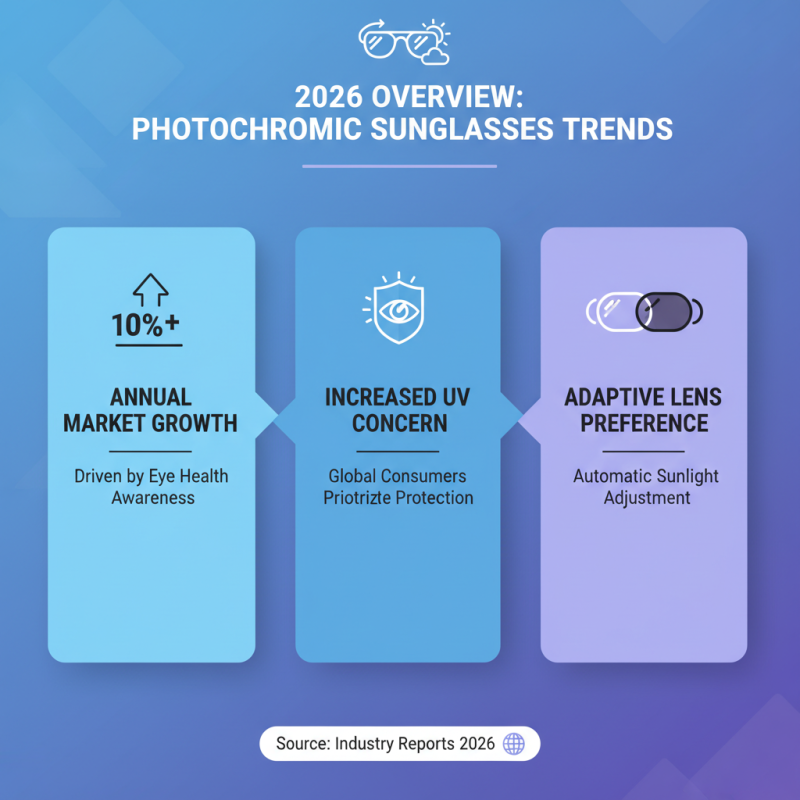
In 2026, photochromic sunglasses will gain significant traction among global consumers. The market is projected to grow by over 10% annually, driven by the increasing awareness of eye health. People are more concerned about UV exposure than ever before. This leads to a growing preference for lenses that automatically adjust to sunlight.
Innovative technologies in lens manufacturing play a key role. Photochromic lenses now offer faster reaction times and better clarity. According to industry reports, over 60% of consumers prioritize these features when purchasing sunglasses. Lifestyle changes also impact choices; outdoor activities continue to surge, pushing demand for versatile eyewear.
However, not all photochromic options are equal. Some lenses still struggle to transition in extreme temperatures. There are also concerns about reliability under various lighting conditions. Consumers must educate themselves about these differences to make informed choices. As the market evolves, brands must focus on transparency and education to foster trust with their customers.
Popular Styles of Photochromic Sunglasses in 2026
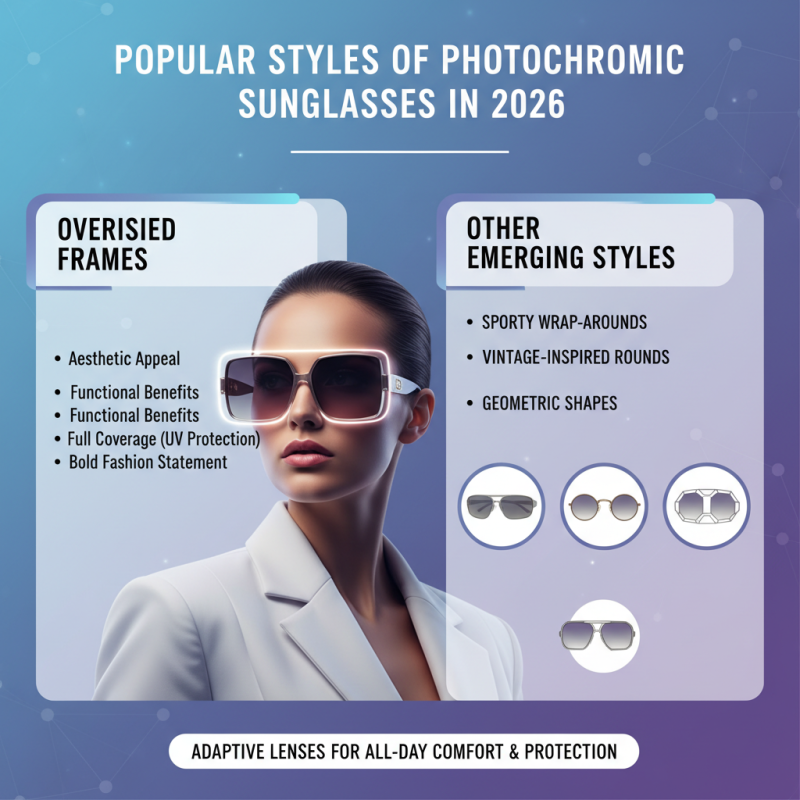
As we approach 2026, photochromic sunglasses continue to grow in popularity among global shoppers. These innovative lenses adapt to changing light conditions, providing comfort and protection. One emerging style is the oversized frames, favored for their aesthetic appeal and functional benefits. They provide full coverage, protecting against UV rays while making a bold fashion statement.
Another trend to watch is the incorporation of gradient color lenses. These lenses transition from dark at the top to light at the bottom, offering an eye-catching look. They are perfect for urban environments, blending seamlessly with casual and formal outfits. Additionally, eco-friendly materials are gaining traction. Shoppers are increasingly seeking sustainable options in eyewear, reflecting a broader commitment to environmental responsibility.
However, not all designs meet the practical needs of every wearer. Some oversized frames can be heavy, causing discomfort during extended use. Additionally, gradient lenses may not provide even protection in all conditions. It’s essential for shoppers to consider these factors carefully. Personal comfort and suitability should never be overlooked in the pursuit of style.
Innovative Technologies Driving Photochromic Sunglasses Design
The evolution of photochromic sunglasses is largely driven by innovative technologies.
Advanced materials are now used to enhance their performance.
These materials adjust to UV light more responsively.
For instance, newer lenses can transition from clear to dark in mere seconds. This quick adaptation benefits users who frequently move between indoor and outdoor environments.
Another exciting development is the integration of smart technologies.
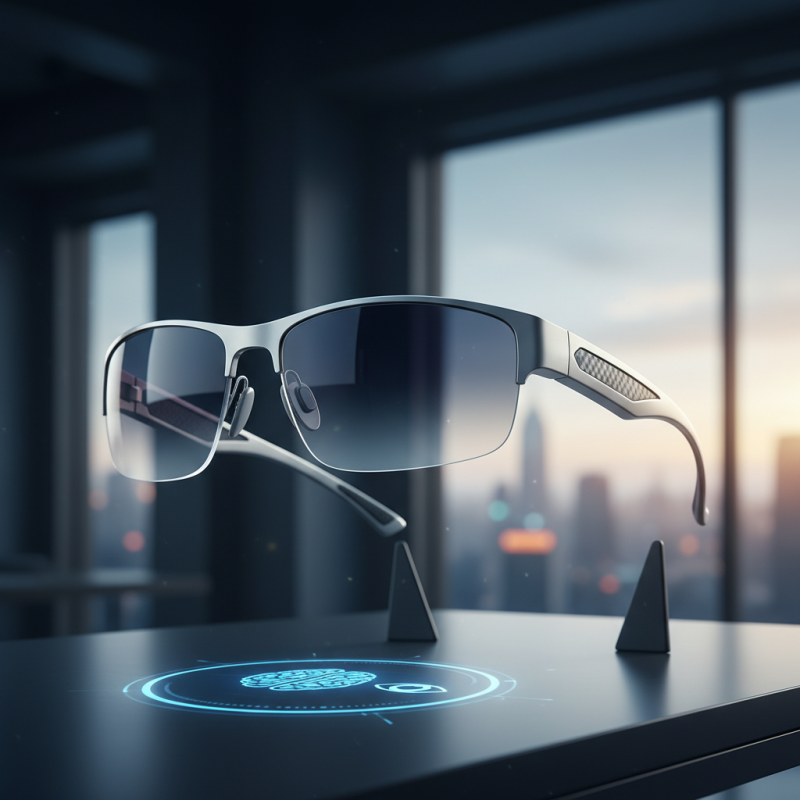
Some photochromic sunglasses now feature sensors that detect light levels. They automatically adjust tint based on brightness.
This ensures optimal vision in varying conditions. However, the complexity of these systems may introduce issues.
Users might experience delays in tint changes during rapid light shifts.
Sustainability is becoming a factor as well. Manufacturers are exploring eco-friendly materials to produce photochromic lenses.
This aligns with growing consumer demand for environmentally responsible products.
Despite advancements, challenges remain in durability and cost-efficiency.
Future iterations could address these issues to meet user expectations better.
Consumer Preferences for Photochromic Sunglasses in Global Markets
As the demand for photochromic sunglasses rises, understanding consumer preferences becomes crucial. Shoppers are increasingly drawn to comfort and functionality. Photochromic lenses adapt to changing light conditions. This feature appeals to active individuals who move between indoor and outdoor settings. People value convenience and versatility in their eyewear choices.
A significant trend is the growing interest in sustainable materials. Consumers are more eco-conscious than ever. They seek products that align with their values. Brands that highlight eco-friendly practices attract attention. Additionally, customization options play a role in decision-making. Shoppers want unique styles that reflect their personalities. Innovative designs and color variations allow for personal expression.
Despite these trends, some consumers remain unaware of photochromic technology. Education is essential to drive sales. Misunderstandings about lens performance persist. Many confuse photochromic with polarizing lenses. Clear communication about benefits is vital for brands. Meeting consumer needs involves continuous research and adaptation. This dynamic market demands flexibility and responsiveness from sellers.
2026 Top Photochromic Sunglasses Trends for Global Shoppers
Sustainability Trends in Photochromic Sunglasses Production for 2026
The sustainability trends for photochromic sunglasses production in 2026 are gaining momentum. A report by the Sustainable Fashion Forum indicates that over 70% of consumers prefer eco-friendly eyewear. This shift reflects a growing awareness of environmental impacts across industries.
Manufacturers are adopting innovative materials. Biodegradable plastics and recycled lenses are emerging as popular choices. The industry is moving towards a circular economy model. This model emphasizes recycling and reducing waste, with some reports showing a potential 30% reduction in carbon footprints.
However, challenges remain. Many brands struggle with sourcing sustainable materials at scale. Additionally, the lack of standardized certifications makes it hard for consumers to trust claims of sustainability. As the sector evolves, continuous improvement in transparency and accountability is essential. The journey towards truly sustainable photochromic sunglasses is a work in progress.
2026 Top Photochromic Sunglasses Trends for Global Shoppers
| Trend |
Description |
Sustainability Focus |
Material Innovations |
Consumer Preference |
| Eco-friendly Materials |
Increased use of biodegradable and recycled materials. |
High |
Plant-based lenses and recycled plastic frames. |
Prominent among eco-conscious shoppers. |
| Smart Sunglasses |
Integration of technology like UV sensors. |
Medium |
Use of lightweight, durable materials. |
Trending among tech-savvy users. |
| Minimalist Designs |
Focus on simple, elegant styles. |
Low |
Recycled metals and sustainable acetate. |
Loved by fashion-conscious consumers. |
| Customizable Features |
Options for lens color and frame style. |
Medium |
Sustainable materials used for customization. |
Gaining traction with individuals seeking personalization. |
| UV Protection Enhancements |
Upgraded technology for better UV filtering. |
High |
Advanced coatings derived from natural sources. |
Highly regarded in health-conscious demographics. |