How to Choose the Best Uv Protection Glasses for Your Needs?
Choosing the right UV protection glasses can be daunting. With countless options available, making a well-informed decision is essential. Dr. Emily Lawson, a leading optometrist in UV safety, emphasizes, “The right UV protection glasses not only shield your eyes but also enhance your overall well-being.” This underscores the importance of selecting glasses that suit your unique needs.
UV protection glasses are not just fashion statements. They offer crucial protection against harmful rays that can damage your eyes. Features such as lens quality, fit, and style greatly impact effectiveness. Ensuring that your glasses block 100% of UVA and UVB rays should be a top priority. Consider the activities you'll be doing while wearing them—are you hiking, driving, or simply enjoying a day at the beach?
While it’s easy to get distracted by trendy designs, remember that functionality is key. Poor-quality lenses may fail to provide adequate protection. Choosing reputable brands and consulting with professionals can help identify reliable options. Investing time in research can lead to better eye health and comfort in the long run. Your eyes deserve nothing less than the best UV protection glasses.
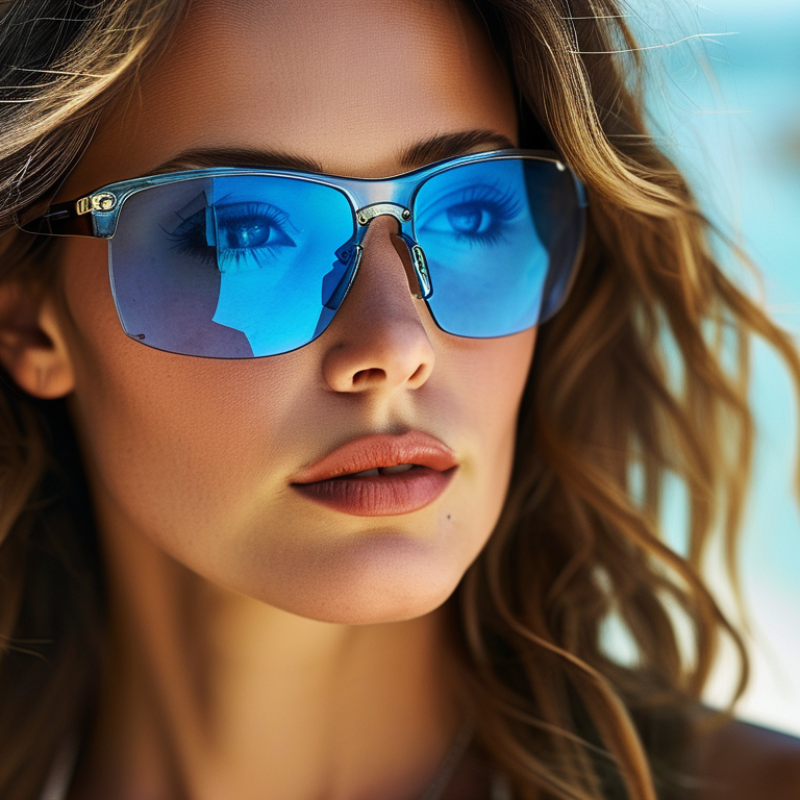
Understanding UV Radiation and Its Effects on Eye Health
UV radiation can significantly impact eye health. Prolonged exposure to ultraviolet rays may lead to various eye conditions. These include cataracts, macular degeneration, and photokeratitis. Once damage occurs, it can be difficult to reverse. Protecting your eyes from UV light is essential.
Understanding UV rays is crucial. They are invisible and can penetrate clouds. Even on overcast days, harmful rays can reach your eyes. This means wearing UV protection glasses isn’t just for sunny days. It’s a year-round necessity. Many people overlook this aspect of eye care.
Choosing the right UV protection glasses is vital. Look for glasses that block 100% of UVA and UVB rays. The frame and lens quality matter too. A snug fit ensures that sunlight does not enter from the sides. However, some may feel uncomfortable with heavier frames. Finding balance is key. Always consider your lifestyle needs.
Types of UV Protection Available in Sunglasses
When choosing sunglasses, understanding the types of UV protection is crucial. UV radiation from the sun can cause significant eye damage. The American Academy of Ophthalmology reports that long-term exposure increases the risk of cataracts and macular degeneration. Thus, knowing the options available helps in making an informed decision.
There are generally two types of UV protection in sunglasses: UV400 and polarized lenses. UV400 offers protection against all UVA and UVB rays, blocking 99% to 100% of harmful rays. Polarized lenses, while reducing glare, do not inherently block UV rays unless treated. A study by the Vision Council found that over 40% of people are unaware of the difference between these types. Choosing UV400-rated lenses ensures comprehensive protection for outdoor activities.
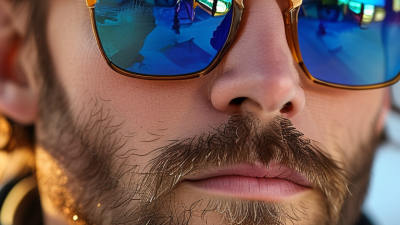
The choices don't end there. Some sunglasses feature additional coatings, like anti-reflective or mirrored. These enhance comfort and alleviate strain on your eyes. However, not all coatings provide UV protection. It is essential to verify that the sunglasses you select meet relevant safety standards. Many consumers assume all sunglasses offer the same level of protection, which isn’t true. Research shows that while UV protection is critical, many sunglasses on the market fail to provide adequate safeguarding.
Factors to Consider When Choosing UV Protection Glasses
Choosing UV protection glasses is crucial for eye safety. There are several factors to consider to ensure you make the right choice.
One important aspect is the UV protection level. Look for glasses labeled with UV 400, which blocks all harmful rays. The lens quality matters too. High-quality lenses reduce glare and enhance visibility. Additionally, consider the lens color. Darker lenses don’t necessarily mean better protection. A gray or brown tint can improve contrast while still blocking UV light effectively.
Tip: Always check for a certification label on the glasses. This ensures they meet safety standards. Comfort is another factor. Frames should fit snugly without pinching your nose or ears. If they slide down your face, you might not wear them consistently.
Don’t overlook coatings and treatments. Anti-reflective coatings can reduce glare. Polarized lenses also provide extra protection against reflective surfaces like water and snow. Each feature serves a purpose.
Tip: Take time to try different styles. What looks good might not feel good. The right pair will stay comfortably on your face, allowing you to enjoy the outdoors safely.
How to Identify Quality UV Protection Standards in Sunglasses
When choosing UV protection sunglasses, understanding the quality standards is vital. The American National Standards Institute (ANSI) and the International Organization for Standardization (ISO) set benchmarks for UV protection. Look for sunglasses that provide 100% UV protection. This is crucial for safeguarding your eyes from UVA and UVB rays, which can lead to serious health issues.
Reports indicate that over 20% of UV radiation reaches the Earth's surface even on cloudy days. This emphasizes the need for reliable UV protection, not only during summer but throughout the year. Sunglasses should also feature a dark tint, which helps reduce glare. However, darkness alone does not guarantee UV protection. You can find many dark glasses that offer little to no UV defense.
A common misconception is that higher prices equal better protection. This isn’t always true. Even inexpensive sunglasses can meet UV protection standards. Always look for a label stating compliance with relevant standards. Adopting this approach can help you avoid products that seem convincing but fail to protect your eyes adequately. Assessing quality is a nuanced process, and buyers should remain vigilant.
Tips for Selecting Stylish Yet Functional UV Protection Eyewear
Choosing the right UV protection glasses means balancing style and function. About 20% of people regularly wear sunglasses that don't offer adequate UV protection. This oversight can lead to long-term eye damage. The ideal eyewear should block 100% of UVA and UVB rays. Look for labels that clearly state UV protection levels.
Stylish designs can still be functional. Many trendy eyewear options now incorporate high-quality lenses with robust UV protection. Oversized frames can provide more coverage, creating a fashion statement while shielding your eyes. According to a study by the American Academy of Ophthalmology, even brief sun exposure can result in eye issues. Therefore, opt for glasses that fit well and look good on your face.
Additionally, consider lens color and coatings. Dark lenses do not automatically provide better UV protection. Polarized lenses reduce glare but should also feature UV blocking. Always check for certification marks indicating compliance with safety standards. Investing in the right pair could save you from future health concerns.