2026 Top Transition Lenses What Buyers Need to Know
In 2026, the market for Transition Lenses continues to grow, attracting various buyers. These lenses adapt to changing light conditions, providing convenience and protection. Industry expert Dr. John Smith, an optometrist with over 20 years of experience, states, "Transition Lenses offer remarkable versatility for modern lifestyles."
Consumers face an overwhelming array of options. Understanding how these lenses work is crucial for making informed decisions. Each pair has unique features. Some lenses darken more quickly, while others offer better UV protection. Buyers should consider their specific needs—those who spend much time outdoors will benefit from higher light sensitivity. Yet, not all products are created equal.
It's important to question claims made by manufacturers. Some lenses might not perform as promised. Buyers should seek reviews and gather insights from trusted sources. Transition Lenses should offer both protection and comfort, but they may not always meet expectations. People often overlook the importance of proper fit. Ensuring lenses fit well can significantly impact their effectiveness and your satisfaction.

2026 Transition Lenses: An Overview of Innovations and Trends
The landscape of transition lenses in 2026 reveals significant innovations and trends. As per a recent industry report, the global market for photochromic lenses is projected to reach USD 5 billion by 2027, highlighting a surge in consumer demand. This increase is closely tied to advancements in technology. For instance, new materials have improved activation speeds and response times, enhancing daily comfort and utility for wearers.
Sustainability is becoming a key focus. More manufacturers are adopting eco-friendly practices, utilizing recyclable materials in lens production. According to a study, 70% of consumers now seek sustainable options when purchasing eyewear. This shift shows a growing awareness of environmental impact, posing necessary questions about industry practices and material sourcing.
The evolving needs of consumers are also influencing design trends. Lenses are becoming thinner and lighter. Such improvements enhance aesthetics and comfort. However, questions remain about durability and scratch resistance. Industry leaders must address these concerns to maintain reliability in product offerings while meeting new aesthetic demands. As trends shift, continual innovation is essential for staying relevant and responsive in this competitive market.
2026 Transition Lenses Innovations and Trends
Understanding Photochromic Technology in Transition Lenses
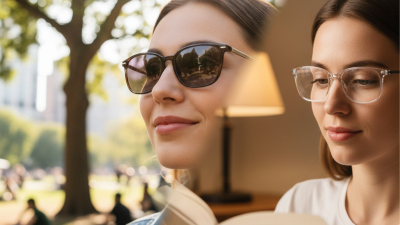
Photochromic technology allows transition lenses to adapt to changing light conditions. These lenses darken in bright sunlight and return to clear indoors. This feature provides convenience and reduces the need for multiple pairs of glasses. Understanding how this technology works is essential for making informed buying decisions.
The key component in photochromic lenses is silver halide crystals. When exposed to UV light, these crystals undergo a chemical reaction. This process causes the lenses to darken. Without UV light, the lenses revert to their original state. However, not all transition lenses are created equal. Some may not transition as quickly as others. This inconsistency can be frustrating.
Users should consider their lifestyles when choosing transition lenses. Some might need glasses that quickly adapt to different environments. Others may require lenses that perform well at night. Testing different lenses can lead to better choices. It’s essential to be aware that factors like temperature and type of lighting can affect performance. Understanding these details will help buyers select the best option for their needs.
Key Factors Affecting the Performance of Transition Lenses
When considering transition lenses, it's essential to understand key factors affecting their performance. One critical aspect is the lens material. Different materials react differently to UV light. High-index plastic lenses tend to have faster transition speeds than standard ones.
Another important factor is the lens coating. Anti-reflective coatings can impact how quickly lenses change from clear to tinted. Some coatings might not provide optimal UV protection either. It's vital to choose options that are both effective and durable.
Tip: Always test the lenses in various lighting conditions before making a purchase.
Moreover, environmental conditions can influence transition performance. For instance, extreme temperatures might affect how lenses darken or lighten. Some lenses don’t perform well indoors, showcasing inconsistencies in their transition abilities.
Tip: Stay informed about the latest materials and technologies in lens manufacturing. It can help you make a better decision.
Lastly, individual preferences matter. Some may prefer faster transitions while others value longer-lasting durability. Understanding your specific needs can help you choose the best option.
2026 Top Transition Lenses: What Buyers Need to Know
| Feature |
Description |
Impact on Performance |
| Photochromic Technology |
Adjusts tint based on UV light exposure. |
Enhances comfort in varying lighting conditions. |
| Speed of Transition |
Time taken to darken and return to clear. |
Affects user satisfaction, especially in changing environments. |
| Lens Material |
Type of material affects clarity and durability. |
Influences lifespan and scratch resistance. |
| Color Options |
Available tint colors for personalization. |
Impacts aesthetic preference and overall wearer satisfaction. |
| UV Protection |
Level of UV protection offered by the lens. |
Essential for eye health, reducing potential damage. |
| Warranty |
Length and coverage of the product guarantee. |
Added assurance for durability and manufacturing faults. |
Market Insights: Consumer Preferences in Transition Lenses for 2026
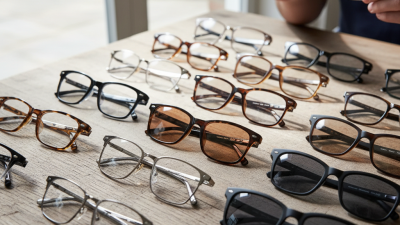
As consumers look into transition lenses for 2026, preferences are shifting noticeably. Many buyers are drawn to lenses that adapt quickly to changing light conditions. This is particularly important for those who spend time outdoors. Consumers now prioritize not just functionality but also style. The design of the frames that house these lenses is as significant as the lenses themselves. Many search for sleek, modern aesthetics that complement their personal style.
Tips: When choosing transition lenses, consider the speed of the transition. Some lenses darken or clear faster than others. This can affect comfort in varied lighting. Also, look for features like UV protection. Not all lenses offer the same level of protection.
Cost is another factor. Higher-priced options may not always mean better quality. Researching various options is crucial. Consumer reviews can provide insight into performance and durability. However, not every review will reflect your specific needs. Remember that what works for one person may not work for another. This reliance on personal experience can guide your decision-making effectively.
Top Brands and Products in 2026 Transition Lens Industry
In 2026, the transition lens market is vibrant. Buyers will find a range of options. Many brands are innovating with technology to improve performance. These lenses adapt to changing light conditions. They provide comfort and clarity for everyday wear.
Not all products are created equal. Some lenses transition slower than others. This can affect user experience, especially outdoors. Some users may feel the lenses are too dark in bright sunlight. Others might desire a quicker response time. Reviews can help in making informed choices. Researching materials and coatings is also essential.
Moreover, many consumers appreciate durability and style. The aesthetics of lenses matter just as much as functionality. Innovative features are becoming commonplace. Brands are focusing on lightweight, scratch-resistant materials. This ensures long-lasting usage. Users are encouraged to explore various options and read up on experiences.