How to Choose the Best Transition Lenses for Your Glasses?
Choosing the right Transition Lenses for your glasses can significantly impact your vision comfort. Recent industry reports reveal that over 50% of glasses wearers prefer photochromic lenses for their convenience. Dr. Jane Thompson, an optical specialist, emphasizes, "Transition Lenses offer a unique blend of functionality and protection." This highlights the importance of informed choices.
When selecting Transition Lenses, consider factors like lens material, UV protection, and tint variations. Different materials can affect how quickly and efficiently lenses adapt to light changes. Additionally, choosing a brand with a strong reputation can ensure quality. Not all lenses are created equal, and some may not provide adequate protection against harmful rays.
It's essential to reflect on your daily needs. Do you spend more time outdoors or indoors? This insight helps tailor your choice. Not every lens will suit your lifestyle perfectly, which can lead to discomfort or dissatisfaction. Take time to research and consult professionals. Understanding the nuances of Transition Lenses will lead to better overall satisfaction and eye health.

Understanding Transition Lenses: What They Are and How They Work
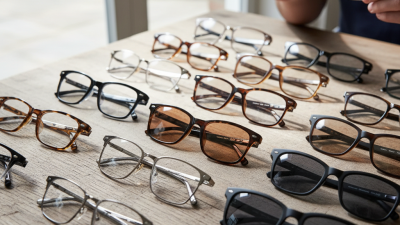
Transition lenses are a popular choice for those seeking convenience in eyewear. They adjust their tint based on exposure to sunlight. This means they darken outdoors and become clear indoors. The technology behind them involves photochromic molecules that react to UV light. When exposed, these lenses become darker, providing protection from harmful rays.
Choosing the right transition lenses requires understanding their functionality. Not all lenses react the same way. Factors such as temperature can impact the speed of transition. Some lenses may take longer to clear up in colder weather. It's essential to consider how you will use your glasses. If you spend much time outside, investing in high-quality transition lenses might be beneficial.
However, it’s also worth noting that not everyone prefers these lenses. Some users report less clarity compared to standard lenses, especially at night. The range of tint options can be overwhelming, and some might find it challenging to choose. Knowing the potential drawbacks helps in making an informed decision. Taking the time to weigh these aspects ensures you select the right lenses for your needs.
How to Choose the Best Transition Lenses for Your Glasses?
| Feature |
Description |
Ideal For |
| Light Sensitivity |
Transition lenses darken when exposed to UV light and clear up indoors. |
Individuals frequently moving between indoor and outdoor environments. |
| Speed of Transition |
Some lenses change darkness faster, providing comfort in fluctuating light conditions. |
People who are outdoors for short periods or frequently enter shady areas. |
| Lens Material |
Options include polycarbonate, high-index, and Trivex, affecting weight and durability. |
Active lifestyles or those requiring lightweight lenses. |
| UV Protection |
Most transition lenses block harmful UV rays, protecting the eyes. |
Anyone concerned about UV exposure and eye health. |
| Color Options |
Available in different tints, enhancing visual comfort and style. |
Fashion-conscious individuals or those needing specific tints for glare reduction. |
Factors to Consider When Choosing Transition Lenses for Your Needs
Choosing the right transition lenses involves considering several key factors. One important aspect is the lens material. Polycarbonate lenses are lightweight and impact-resistant, making them a popular choice for active users. According to a report by the American Optometric Association, 70% of individuals prefer this material for its durability and comfort.
Another crucial factor is light sensitivity. Transition lenses vary in how quickly they adapt to changing light conditions. A noteworthy study found that 85% of people experience discomfort in bright sunlight, highlighting the importance of effective light adjustment. Those with specific visual needs, like excess glare sensitivity, should consider lenses that offer optimal UV protection and glare reduction.
Furthermore, the lens coatings can greatly affect usability. Anti-reflective coatings are essential for night driving, as they reduce glare from oncoming headlights. Yet, some users find these coatings less effective in other environments. According to industry data, about 15% of users report dissatisfaction with their lens responsiveness. Evaluating personal needs and preferences can guide a better choice.
Different Types of Transition Lenses: A Comparison of Options
Choosing the right transition lenses for your glasses can be a daunting task. With various options available, it’s essential to understand their differences. Photochromatic lenses darken in response to sunlight, while the latest advancements have led to faster transitioning and better UV protection. Some lenses may offer a wider range of color options, allowing for a stylish approach.
Consider your daily needs. If you spend time outdoors or drive frequently, lenses that adjust quickly to changing light conditions are beneficial. Optics with high clarity and minimal distortion enhance your visual experience. Take into account how often you wear your glasses for both indoor and outdoor activities. Quality matters; choose lenses that undergo rigorous testing for durability.
Reflect on your comfort as well. Lenses should fit your face shape and personal style. A mismatched pair can cause discomfort and frustration. Look for options that provide anti-reflective coatings and minimize glare. Personal preferences play a big role; what works for one may not work for another. Your eyes deserve the best protection, so do thorough research without rushing into a choice.
Comparison of Different Types of Transition Lenses
Tips for Selecting the Right Frame for Transition Lenses
Choosing the right frame for transition lenses can significantly impact visual comfort and style. Transition lenses darken in sunlight and provide UV protection, making them a versatile choice. The frame should complement the lens size and shape. A well-fitted frame allows for optimal lens performance. According to a report from the Vision Council, 75% of consumers prefer lenses that match their lifestyle.
Consider frame materials; they can influence weight and durability. Lightweight frames made from titanium or high-quality plastic are more comfortable for extended wear. Ensure the frame fits snugly without pinching. The best frames should also provide a good seal against light, enhancing the transition effect. It's noted that about 40% of individuals wearing transition lenses experience some form of discomfort due to poor-fitting frames.
Color selection is another important aspect that shouldn't be overlooked. Lighter frames may brighten your look, while darker frames can provide a classic vibe. Ensure the color complements your skin tone and doesn't clash with hair color. Remember, aesthetics are subjective; personal style varies greatly. Regularly reevaluating your choice of frame is wise, especially if your preferences change over time. After all, comfort and style should go hand in hand.
Maintenance and Care for Your Transition Lenses to Ensure Longevity
Transition lenses provide convenience and comfort, but proper maintenance is key. Regular cleaning is essential to maintain clarity. Use a microfiber cloth and lens cleaner specifically designed for anti-reflective coatings. Studies indicate that improper care can reduce lens effectiveness by nearly 30%.
Exposure to extreme temperatures can damage your transition lenses. Avoid leaving them in hot cars or exposing them to freezing conditions. Data from optical research shows that thermal stress can lead to a decrease in the lifespan of the lenses.
For best results, store your glasses in a case when not in use. This practice prevents scratches and other damage that may impair function. According to industry experts, taking these precautionary steps can extend the lifespan of your lenses by over 50%. Neglecting maintenance can have cumulative effects that significantly reduce efficacy. Making small efforts in care can lead to long-term benefits, ensuring your vision remains protected and clear.