2026 Best Prescription Lenses for Clear Vision and Comfort?
In 2026, finding the right prescription lenses is essential for clear vision and comfort. Modern advancements have improved lens technology significantly. These lenses cater to various needs, from myopia to presbyopia. Choosing the right type can greatly impact daily life.
Prescription lenses come with different coatings, such as anti-reflective and blue light filtering. These features enhance visual clarity and reduce eye strain. However, the variety can be overwhelming. Many people struggle to select the appropriate lenses.
Consulting an eye care professional can help navigate this complex landscape. They provide valuable insights tailored to individual needs. It’s crucial to remember that what works for one person may not suit another. Ultimately, the best prescription lenses should align with your lifestyle and comfort preferences.
Overview of Prescription Lenses for 2026: Key Developments
As we approach 2026, the prescription lens market is witnessing exciting advancements. Key developments focus on enhanced clarity and comfort. Many lenses now incorporate cutting-edge technologies. This allows for sharper vision across various distances. High-definition optics reduce distortion. Users report better performance in diverse lighting conditions.
Furthermore, the integration of blue light filtering is becoming standard. This feature protects against digital eye strain. It’s especially beneficial for those spending long hours in front of screens. However, not all blue light lenses are the same. Some users find certain coatings less effective under specific conditions. Feedback can vary widely between individuals.
Customization is a growing trend, too. Lenses can be tailored to suit specific lifestyles. Whether for sports, work, or leisure activities, options abound. Yet, the process can feel overwhelming. Choosing the right lens may lead to second-guessing. Consulting eye care professionals remains essential. They offer invaluable insights to navigate this evolving landscape.
2026 Best Prescription Lenses for Clear Vision and Comfort
Types of Prescription Lenses: Understanding Options for Vision Correction
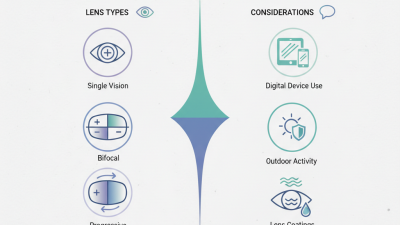
When it comes to vision correction, understanding the different types of prescription lenses is essential. There are several options available, each serving unique needs. Single vision lenses correct one field of vision, ideal for those who need assistance with either distance or near sight. These lenses are straightforward, providing clarity without additional complexities.
Bifocal lenses cater to individuals who require help with both distance and near vision. They have a distinct line separating the two prescriptions. This design can be effective, but some users experience adjustment issues.
Trifocal lenses, featuring three sections for different viewing ranges, offer another level of versatility, yet the transition between each section might be challenging for some.
Progressive lenses have gained popularity for their seamless transition across distances. They allow natural movement from distance to near vision without visible lines. However, not everyone adapts well to these lenses, as the adjustment period can be lengthy. Understanding your visual needs is critical. A proper consult with a professional can help you decide on the best lenses for your lifestyle, ensuring both comfort and clarity in vision.
Comfort Features in Prescription Lenses: Materials and Coatings Explained
When selecting prescription lenses, comfort is key. Understanding the materials and coatings can lead to a more enjoyable experience. High-index plastic lenses are thinner and lighter, providing great comfort for stronger prescriptions. Polycarbonate lenses are also popular; they are impact-resistant and ideal for casual wearers or children.
Coatings can enhance comfort too. Anti-reflective coatings reduce glare, making tasks like night driving easier. Scratch-resistant coatings protect the lenses, extending their lifespan. Many people overlook the significance of UV protection. It shields your eyes from harmful rays and reduces eye fatigue during prolonged outdoor activities.
Tip: Always consult with an eye care professional to find the right materials and coatings for your lifestyle. Choosing the right options can make a significant difference in your daily comfort. Experimenting with additional features might lead to unexpected improvements in visual clarity and fatigue reduction. Adjustments may take time, but it's worth the effort for better comfort.
2026 Best Prescription Lenses for Clear Vision and Comfort
| Lens Type |
Material |
Coating Options |
Comfort Features |
Recommended For |
| Single Vision |
Polycarbonate |
Anti-Reflective, Scratch-Resistant |
Lightweight, Impact-Resistant |
Everyday Use |
| Bifocal |
High Index Plastic |
UV Protection, Anti-Scratch |
Thin and Lightweight |
Readers and All-Day Wear |
| Progressive |
Trivex |
Blue Light Blocking, Anti-Glare |
Seamless Vision, Lightweight |
Multi-Purpose Use |
| Photochromic |
Polycarbonate |
Scratch-Resistant, Anti-Fog |
Darkens in Sunlight, Versatile |
Outdoor Use |
| Digital Blue Light |
High Index Plastic |
Blue Light Filter, Anti-Reflective |
Eye Strain Reduction |
Screen Time Users |
Factors to Consider When Choosing Prescription Lenses for Clear Vision
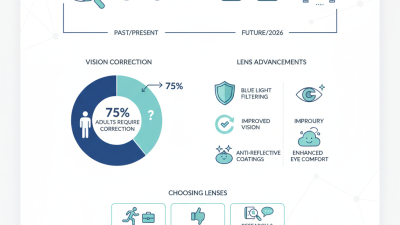
When choosing prescription lenses for clear vision, several factors come into play. Vision clarity is paramount. A recent study from the American Optometric Association showed that 75% of adults experience some form of vision impairment. High-quality lenses can significantly enhance visual acuity. The right type of lens, such as single-vision or progressive, can make a world of difference. Each type serves distinct needs based on lifestyle and age.
Comfort is equally essential. The right lenses should fit well and not strain the eyes. An analysis by the Vision Council revealed that more than 50% of lens wearers report discomfort in prolonged use. Features like anti-reflective coating and blue light blocking can improve comfort. These enhancements reduce glare and help prevent digital eye strain, especially for those who spend hours on screens. Consulting an eye care professional is crucial in navigating these options. They can assist in determining which lenses best suit individual needs while ensuring optimal vision health.
Trends in Prescription Lens Technology: What to Expect in 2026
As we approach 2026, advancements in prescription lens technology are rapidly evolving. One exciting trend is the integration of smart lenses. These lenses can automatically adjust to varying light conditions, providing optimal comfort and clarity. Imagine stepping outside and your lenses adapting to bright sunlight, instantly reducing glare. This shift opens up new possibilities for everyday wear and outdoor activities.
Another noteworthy development is the focus on personalized lens designs. Using advanced digital mapping techniques, lens manufacturers can now create customized prescriptions tailored to the individual's unique eye shape and vision needs. This can significantly enhance visual comfort. Users may notice a reduction in distortion, leading to a more natural viewing experience. However, this technology isn't flawless; adjustments may be needed for specific situations or preferences.
Moreover, anti-reflective and blue light filtering coatings are becoming standard features. These coatings help reduce eye strain caused by screens. However, not all coatings perform equally well in different lighting conditions. People may find themselves questioning the effectiveness of their choices, highlighting the need for further research and personal testing. As we look forward, the journey of improving prescription lenses seems promising, yet complex and full of challenges.