Top 5 Tips for Choosing the Best Prescription Lenses
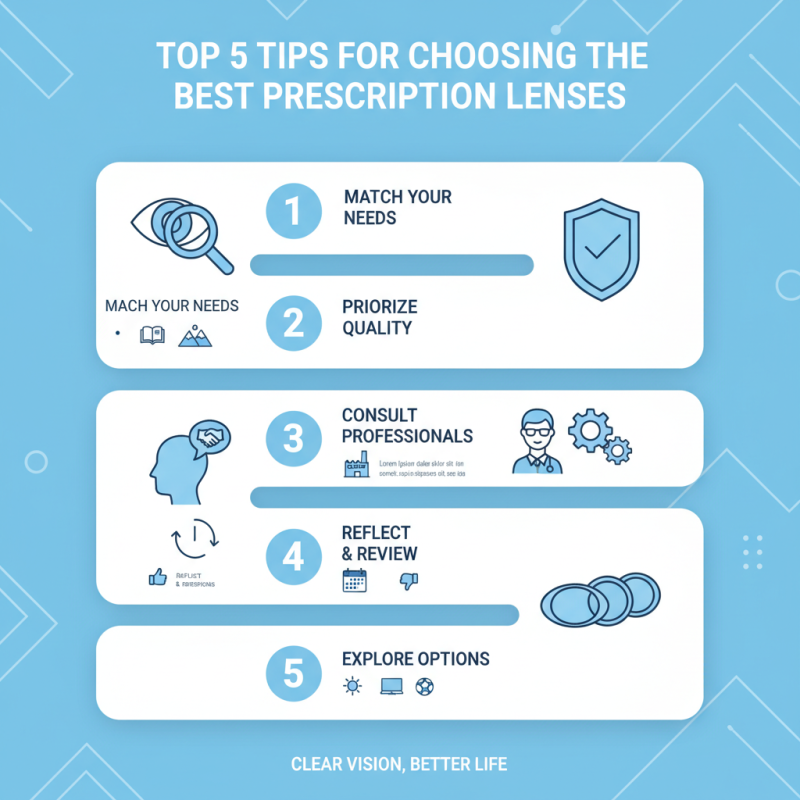
Choosing the right prescription lenses is crucial for clear vision and comfort. This decision can greatly affect your daily life. With so many options available, it can feel overwhelming. Understanding the basics helps make this choice easier.
Prescription lenses come in various types, styles, and materials. They serve different purposes. For instance, there are lenses for reading, distance, or specific activities like sports. It's important to match your lens type to your visual needs. Doing so will enhance your overall experience.
Quality matters when selecting prescription lenses. Poorly made lenses can lead to discomfort and strained vision. Look for reputable manufacturers and consult with professionals. Their expertise ensures you receive a product that meets both your vision and lifestyle requirements. Reflect on your previous experiences and preferences. This insight can guide your choice effectively.
Understanding Your Vision Needs and Prescription
When selecting prescription lenses, understanding your vision needs is crucial. Reports show that nearly 64% of adults require corrective lenses due to refractive errors. It’s essential to consult with an eye care professional who can assess your vision accurately. They will consider factors such as your visual acuity and lifestyle in their assessment.
Tip: Look for lenses that cater specifically to your activities. If you work on a computer, you might benefit from lenses designed to reduce eye strain. Achieving optimal comfort is often overlooked in this process. Many consumers think all lenses work the same, but that can lead to dissatisfaction and wasted money.
Moreover, the lens material plays a significant role. Polycarbonate lenses are lightweight and impact-resistant, which is ideal for active lifestyles. Some users, however, find them less scratch-resistant than other materials. Balancing these trade-offs is essential for finding the best option.
Tip: Consider lens coatings. Anti-reflective coatings enhance vision and reduce glare in bright environments. Neglecting this factor may result in suboptimal performance in specific lighting conditions. Test different options to see what feels right. Understanding these elements can empower you to make informed choices tailored to your unique vision needs.
Top 5 Tips for Choosing the Best Prescription Lenses
Exploring Different Types of Lens Materials
When selecting prescription lenses, the material can significantly influence both comfort and performance. There are several common types to consider. Plastic lenses are popular for their lightweight nature and affordability. However, they can scratch easily without coatings. On the other hand, polycarbonate lenses are more durable and impact-resistant, making them a great choice for active lifestyles. Yet, they can sometimes create distortion in peripheral vision.
Another option is high-index lenses, which are thinner and lighter than traditional lenses. They are ideal for strong prescriptions. However, they may cost more and can be susceptible to glare without proper coatings. Finally, glass lenses offer excellent optical clarity. Yet, they are heavier and more prone to breakage. Each material has unique benefits and drawbacks, influencing your overall experience. Choosing the right one requires thoughtful consideration of your daily activities and needs.
Choosing the Right Coatings for Enhanced Vision
Choosing the right coatings for your prescription lenses can dramatically enhance your vision experience. Many people overlook this crucial detail. But the right coatings can improve clarity and reduce glare in different environments.
Anti-reflective coatings are popular for a reason. They minimize reflections, making it easier to see, especially at night. Many users report a significant reduction in eye strain while using these lenses. But remember, these coatings require careful cleaning to maintain their effectiveness. A simple mistake can lead to scratches that ruin their benefits.
Photochromic lenses are another option worth considering. They adjust tint based on light conditions. Users appreciate the convenience of having one pair of glasses for both indoors and outdoors. However, they may not darken as effectively in cars because of windshields.
It's also worth exploring blue light filtering coatings. They help protect your eyes from digital screens, which can cause fatigue. Many find that using these coatings leads to improved focus during long work hours. Yet, it’s essential to verify how well these coatings perform in real-life situations.
Top 5 Tips for Choosing the Best Prescription Lenses - Choosing the Right Coatings for Enhanced Vision
| Tip |
Description |
Benefits |
| Understand Your Prescription |
Reviewing your eye exam results can provide insight into the right type of lenses you need. |
Ensures you select lenses that correct your vision accurately. |
| Consider Lens Material |
Different materials offer various benefits such as weight, durability, and thickness. |
Lightweight options increase comfort, while high-index materials reduce thickness. |
| Choose the Right Coatings |
Consider anti-reflective, scratch-resistant, or blue light blocking coatings based on your lifestyle. |
Coatings enhance visual clarity and protect lenses from damage. |
| Select the Appropriate Style |
Decide between single vision, bifocal, or progressive lenses depending on your vision needs. |
Proper style choice aids in everyday activities without vision strain. |
| Consult with an Eyecare Professional |
Seek professional advice to get recommendations tailored to your specific vision requirements. |
Expert guidance ensures you make informed choices about your lenses. |
Evaluating Lens Designs for Optimal Comfort
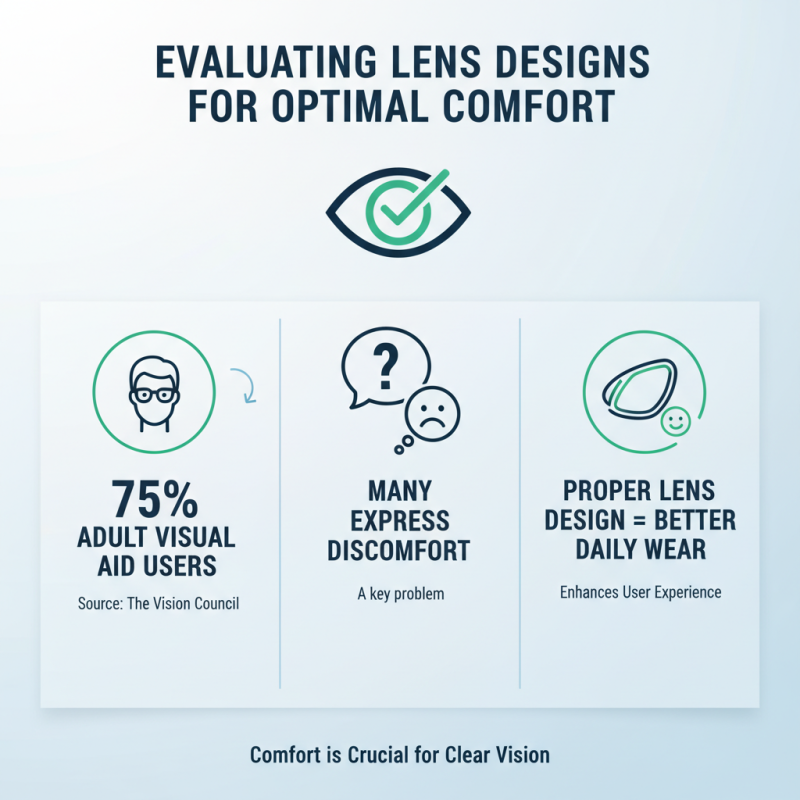
When selecting prescription lenses, comfort is often overlooked. Evaluating lens designs is crucial for optimal user experience. According to the Vision Council, nearly 75% of adults use some form of vision correction. Among these users, many express dissatisfaction with lens comfort. Proper lens design can greatly influence daily wearability.
Aspects such as lens thickness, curvature, and coating play significant roles in comfort. A study published in the Journal of Optometry reveals that well-fitted lenses reduce strain on the eyes. Bifocal and progressive lenses can sometimes cause discomfort in wearers. This is particularly true for those new to multifocal designs. It’s essential to assess your daily activities and choose a design that fits seamlessly into your lifestyle.
Personalized fitting is an area where individuals can benefit greatly. Not everyone’s face shape and prescription are the same. Custom adjustments can lead to enhanced vision clarity and comfort. It’s worth consulting a licensed optometrist for tailored advice. Keeping these considerations in mind can help in selecting the best prescription lenses for your needs.
Consulting an Eye Care Professional for Personalized Advice
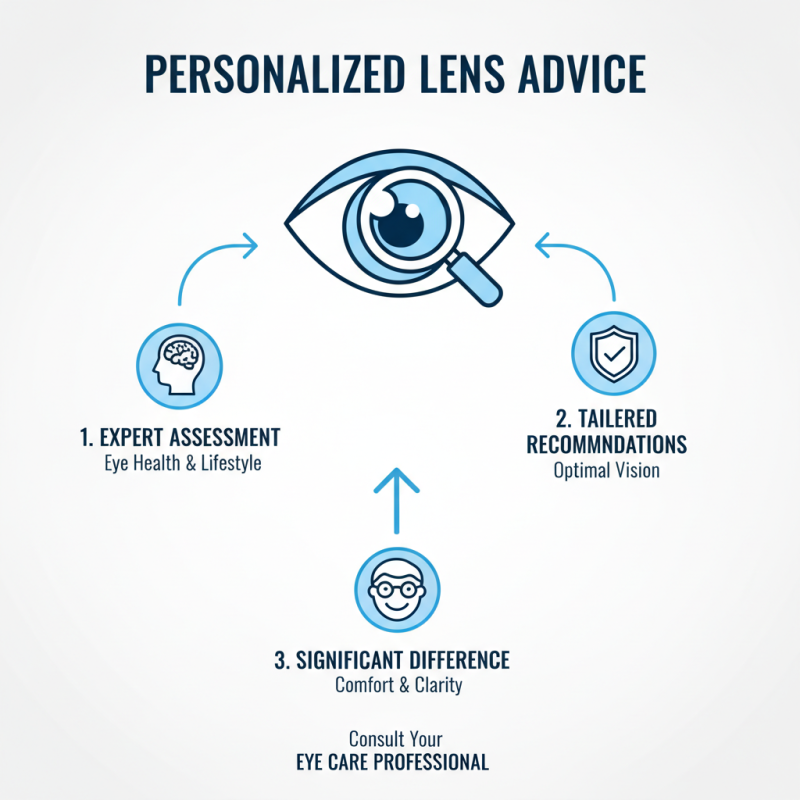
When it comes to selecting prescription lenses, consulting an eye care professional is essential. Their expertise is invaluable in understanding your unique vision needs. They assess your eye health and lifestyle to recommend lenses that will work best for you. This personalized advice can make a significant difference.
Eye care professionals consider various factors. These include your prescription strength, daily activities, and any specific vision challenges you may face. They can explain the differences between lens materials and coatings, helping you make informed choices. However, it's important to communicate openly about your preferences and concerns during your visit.
Sometimes, people feel overwhelmed by choices. You might worry about costs or the latest trends in eyewear. Trusting your eye care professional can ease that anxiety. They are there to guide you, but you must be an active participant in the conversation. Explore options together and don't hesitate to ask questions. Your vision is too important for guesswork.