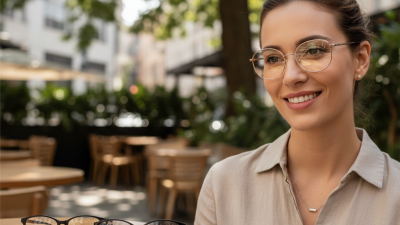
10 Best Photochromic Eyeglasses for Clear Vision Outdoors?
In recent years, Photochromic Eyeglasses have gained significant popularity due to their versatility. These glasses automatically adjust their tint based on light exposure, providing wearers with optimal vision in varying conditions. According to a report by the Vision Council, over 70% of consumers are now choosing photochromic options for their eyewear. This trend reflects a growing awareness of the need to protect eyes from harmful UV rays.
Dr. Emily Chen, a leading expert in optical science, emphasizes the importance of these glasses. She states, "Photochromic Eyeglasses not only enhance visual comfort but also promote eye health." This technology now offers more than just convenience; it serves as a shield against long-term damage from sun exposure.
Despite their advantages, many consumers still hesitate. Questions often arise about durability and responsiveness to light. While photochromic lenses offer clear benefits, they may not suit everyone. Potential users must consider their specific needs and environment before making a decision. Understanding these factors is crucial in selecting the ideal pair of Photochromic Eyeglasses for clear outdoor vision.
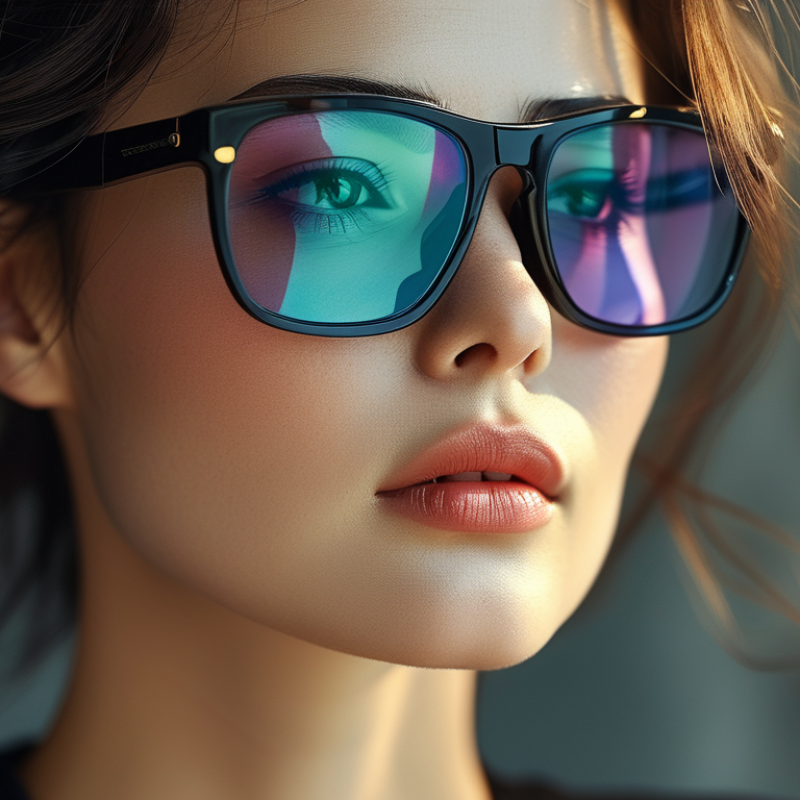
Understanding Photochromic Eyeglasses and Their Benefits
Photochromic eyeglasses are a blend of style and function. These lenses transform in response to sunlight. When exposed to UV rays, they darken, providing comfort outdoors. Indoors, they revert to clear, ensuring optimal vision for everyday tasks. This adaptability is essential for those frequently moving between environments.
Understanding the benefits of photochromic lenses is crucial. They offer UV protection, which is vital for eye health. Prolonged sun exposure can damage the eyes. Photochromic glasses help mitigate this risk. Moreover, they can enhance contrast and reduce glare. This improvement can be particularly noticeable during outdoor activities, such as driving or hiking.
However, challenges exist. Some users report a slow response time in varying light conditions. This may hinder immediate relief from brightness. Additionally, these lenses may not darken as effectively inside vehicles due to UV-blocking windshields. Individuals must weigh these factors when considering photochromic options. The choice should reflect personal needs and lifestyle, ensuring the best vision experience.
Key Features to Look for in Photochromic Eyeglasses
When choosing photochromic eyeglasses, there are several key features to consider. Firstly, look for UV protection. Excellent lenses should block harmful UV rays to safeguard your eyes outdoors. This is essential for maintaining long-term eye health.
Next, consider the transition speed. Some lenses change quickly in sunlight, while others may lag. If you often move between different lighting conditions, faster transitions will greatly enhance your comfort. Additionally, the overall tint level matters. Different brands offer varying darkness when fully activated. Understand your needs for full sun and adjust accordingly.
**Tips:** Pay attention to lens material. High-quality materials resist scratches and provide better clarity. Additionally, ensure your frames are comfortable. Well-fitted frames reduce pressure points and enhance wearability.
Finally, evaluate the warranty options. A reliable warranty can save you from unexpected expenses. Do not overlook the importance of customer reviews. Checking feedback helps gauge real-world performance and reliability. Keep these aspects in mind as you explore the best photochromic eyeglasses for outdoor activities.
Top 10 Photochromic Eyeglasses for Outdoor Clarity
When enjoying the great outdoors, clear vision is crucial. Photochromic eyeglasses can adapt to changing light conditions. They darken in bright sunlight and clear up indoors. This makes them ideal for activities like hiking or cycling. Users often appreciate the convenience of not switching glasses. The transition provides comfort while maintaining sharp focus.
Selecting the right pair requires consideration of several factors. Look for lenses with quick transition times. This helps in varying light conditions, such as moving from forest shade to bright open areas. Lens quality is vital for clarity and eye protection. Many options also offer UV protection, safeguarding your eyes from harmful rays.
However, photochromic lenses are not flawless. Some users report slower transitions, especially in very hot environments. Durability can vary, and scratches may appear over time. Regular maintenance is necessary to ensure optimal performance. It's important to balance convenience with the potential downsides. Make informed choices by exploring user reviews and expert opinions.
User Reviews and Feedback on Selected Photochromic Eyeglasses
User feedback on photochromic eyeglasses reveals both satisfaction and challenges. Many users appreciate the smooth transition from clear to tinted lenses when moving between indoors and outdoors. This versatility allows for seamless vision adaptation. However, some users note that the speed of darkening can vary with different lighting conditions. This inconsistency can affect their experience, especially in rapidly changing environments.
Additionally, comfort is a recurring theme in reviews. Well-fitted frames enhance usability and prevent distractions. Many users specifically mention the importance of weight and balance. Heavier frames can be uncomfortable during prolonged wear. Reviewers also highlight the need for proper UV protection, as not all photochromic lenses offer the same level of shielding against harmful rays.
Some feedback shows a desire for improved clarity in low-light settings. Certain users feel that while lenses excel outdoors, they may not perform as well in dim conditions. This limitation has led some to consider alternative options. Overall, while photochromic eyeglasses receive praise for their convenience, the feedback signals areas for development.
Care and Maintenance Tips for Long-lasting Photochromic Glasses
Photochromic eyeglasses are designed to adapt to changing light conditions. They offer clear vision outdoors while providing UV protection. To ensure they last, proper care and maintenance are essential. Regular cleaning is crucial. Use a microfiber cloth to wipe lenses gently. This prevents scratches and keeps your glasses clear.
Extreme temperatures can harm photochromic lenses. Avoid leaving them in hot cars or freezing environments. Store them in a protective case when not in use. This simple habit prevents damage and maintains their performance over time.
Inspect your glasses regularly for signs of wear. If you notice any cracks or scratches, consult with a professional. Adjusting your care routine can extend the life of your eyewear. Regular visits to an optician ensure your lenses function correctly. Being proactive can save you money on replacements.
10 Best Photochromic Eyeglasses for Clear Vision Outdoors
| Model |
Lens Type |
UV Protection |
Color Options |
Price Range |
Care Tips |
| Model A |
Polycarbonate |
100% UVA/UVB |
Grey, Brown |
$150 - $200 |
Clean with microfiber cloth |
| Model B |
Trivex |
99% UVA/UVB |
Blue, Green |
$130 - $180 |
Avoid harsh chemicals |
| Model C |
CR-39 |
100% UV |
Amber, Grey |
$120 - $170 |
Store in case when not in use |
| Model D |
Polycarbonate |
100% UVA/UVB |
Photochromatic Grey |
$140 - $190 |
Use a soft cloth to clean |
| Model E |
High Index |
99% UVA/UVB |
Brown, Blue |
$160 - $210 |
Rinse with water, avoid hot conditions |