Best Photochromic Eyeglasses for Global Buyers in 2026?
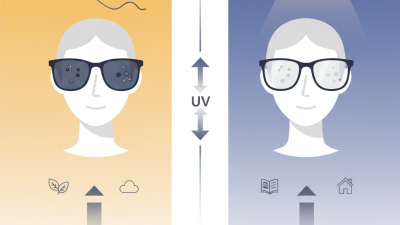
In 2026, the demand for Photochromic Eyeglasses is expected to surge among global buyers. These innovative lenses transition from clear to dark when exposed to sunlight, offering both convenience and eye protection. Many individuals prefer these glasses for their versatility, adapting seamlessly to indoor and outdoor environments.
The technology behind Photochromic Eyeglasses has evolved significantly. Modern options feature faster transitions and improved durability. However, consumers should remain informed about potential limitations, such as slower responses in extremely cold temperatures. Choosing the right pair involves understanding personal needs, lifestyle, and skin sensitivity to light.
As the market expands, various brands offer unique designs and functionalities. Some may prioritize fashion, while others emphasize performance. It’s essential to balance aesthetics with quality. Buyers should explore reliable reviews and expert recommendations to make informed choices. The evolution of Photochromic Eyeglasses reflects both innovation and the need for consumer awareness.

Best Photochromic Eyeglasses: Understanding the Global Market Trends in 2026
The global market for photochromic eyeglasses is on a remarkable upward trend. In 2026, the expected market valuation will surpass $4 billion, according to recent industry reports. Factors such as increasing outdoor activities and a growing awareness of UV protection contribute significantly to this trend. Consumers are demanding high-quality lenses that adapt to light changes while offering comfort.
A significant aspect is the rise in online sales. An estimated 30% of all eyewear is expected to be purchased online by 2026. This shift requires brands to enhance their digital presence. As more consumers seek personalized shopping experiences, the online market must evolve to keep pace. Engaging with customers through social media and targeted advertising can create meaningful connections.
However, ensuring reliable customer service remains a challenge.
Sustainability is another critical focus. Many buyers are increasingly concerned about eco-friendly practices. Reports suggest that 70% of consumers consider environmental impact before purchases. Brands need to reflect this need in their product development. Embracing sustainable materials is essential, yet challenges in production processes must be addressed. Manufacturers may struggle to balance quality and eco-friendliness. This complexity requires ongoing reflection and innovation, making it a crucial area for growth in the coming years.
Technological Advancements in Photochromic Lenses: Key Innovations for 2026
Advancements in photochromic lens technology are changing the eyewear landscape. In 2026, these lenses will offer more consistent and quicker transitions from light to dark. That means wearers will experience fewer delays in adaptation. The color change is now smoother and more gradual, enhancing visual comfort in varying lighting.
Additionally, new coatings can provide better durability. These innovations increase resistance to scratches and enhance clarity. Users often worry about lens performance in extreme temperatures. The latest materials are engineered to function optimally, regardless of environment.
Some challenges remain. Consumers might find that some lenses do not react well in vehicles with UV-blocking windshields. There’s also a potential for higher costs due to advanced technology. Buyers should weigh these factors in their decision-making. As with any eyewear choice, it's essential to consider both benefits and limitations. Those seeking optimal vision and comfort need to stay informed.
Consumer Preferences for Photochromic Eyeglasses: Insights and Data Analysis
In the evolving landscape of eyewear, consumer preferences for photochromic eyeglasses are taking center stage. A recent analysis reveals that comfort and style significantly influence purchasing decisions. Many users appreciate the transition from indoor to outdoor lighting, as these lenses adapt quickly. However, not all photochromic lenses provide the same level of convenience. Some wearers report slow transitions, making them rethink their choices.
Another critical factor is UV protection. Consumers increasingly seek glasses that not only offer aesthetic appeal but also protect their eyes from harmful rays. While many photochromic options claim to block UV light, users must verify the effectiveness. Mistakes in this area can lead to long-term damage. User feedback highlights a desire for lenses that balance function and fashion, yet preferences vary widely.
Price remains an essential consideration. Many shoppers are willing to invest more for higher quality, but some still hesitate. There’s a growing consciousness about budget constraints, leading to a more informed decision-making process. As individuals explore options, the challenge lies in finding the perfect blend of features that align with their specific needs. This complexity makes navigating the market more intriguing yet daunting.
Best Photochromic Eyeglasses for Global Buyers in 2026
Performance Metrics: Comparing Photochromic Lenses by Brand in 2026
When choosing photochromic eyeglasses, performance metrics matter significantly. Different brands offer varied levels of lens responsiveness. Factors such as light transmission and fade speed play pivotal roles. These metrics determine how effectively lenses adapt to changing environments.
Some lenses darken quickly but may take longer to clear. This sluggishness can be frustrating for users transitioning between indoor and outdoor settings. On the other hand, some lenses respond almost instantly to UV exposure. It’s essential to balance darkness and clarity based on individual needs.
Examining durability is another crucial aspect. Some lenses may scratch easily, leading to decreased performance over time. Users often ignore this factor at their peril. UV protection levels also vary between brands. Understanding these nuances helps buyers make informed decisions. Not all photochromic lenses are created equal, and a bit of research can unveil essential differences.
Best Photochromic Eyeglasses for Global Buyers in 2026
| Lens Type |
Darkening Speed (Seconds) |
Lightening Speed (Seconds) |
UV Protection (%) |
Price Range (USD) |
| Standard |
30 |
35 |
100 |
100 - 200 |
| Premium |
25 |
30 |
100 |
150 - 300 |
| Advanced |
20 |
25 |
100 |
250 - 400 |
| Eco-Friendly |
35 |
40 |
100 |
80 - 180 |
Environmental Impact and Sustainability in the Photochromic Eyewear Industry
The photochromic eyewear industry faces pressing environmental challenges. As popularity grows, so does the need for sustainable practices. Traditional production methods often rely on harsh chemicals. This creates harmful waste that negatively impacts our planet.
Recycling initiatives are crucial. Many companies are experimenting with biodegradable materials. However, the process is not yet widespread. Some brands still focus on aesthetics over sustainability. This raises questions about long-term environmental effects. Buyers increasingly seek eco-friendly options but may struggle to find reliable sources.
Transparency in production is essential. Consumers want to know how their eyewear is made. Detailed information allows for informed choices. Yet, not every company provides this clarity. The industry must improve its accountability. Sustainable practices should be the norm, not the exception, as we approach 2026. Embracing these changes will lead to a more responsible future in photochromic eyewear.