Best Myopia Control Lenses for Global Buyers in 2026?
Myopia is a growing global concern. More people are experiencing vision problems each year. Myopia Control Lenses offer a promising solution for this challenge. In 2026, the demand for these lenses will likely increase significantly.
Patients seek effective ways to manage myopia progression. Myopia Control Lenses are designed specifically for this purpose. They help in slowing down the deterioration of vision. More research and innovation are essential in this field. As new technologies emerge, the effectiveness and accessibility of these lenses can improve.
Professionals emphasize the importance of selecting the right lenses. Not all options suit every individual. Factors like age, lifestyle, and severity of myopia must be considered. This showcases the complexity of myopia management. Buyers must conduct thorough research and consult with specialists. The journey to better vision requires diligence and informed choices.
Overview of Myopia and Its Global Impact in 2026
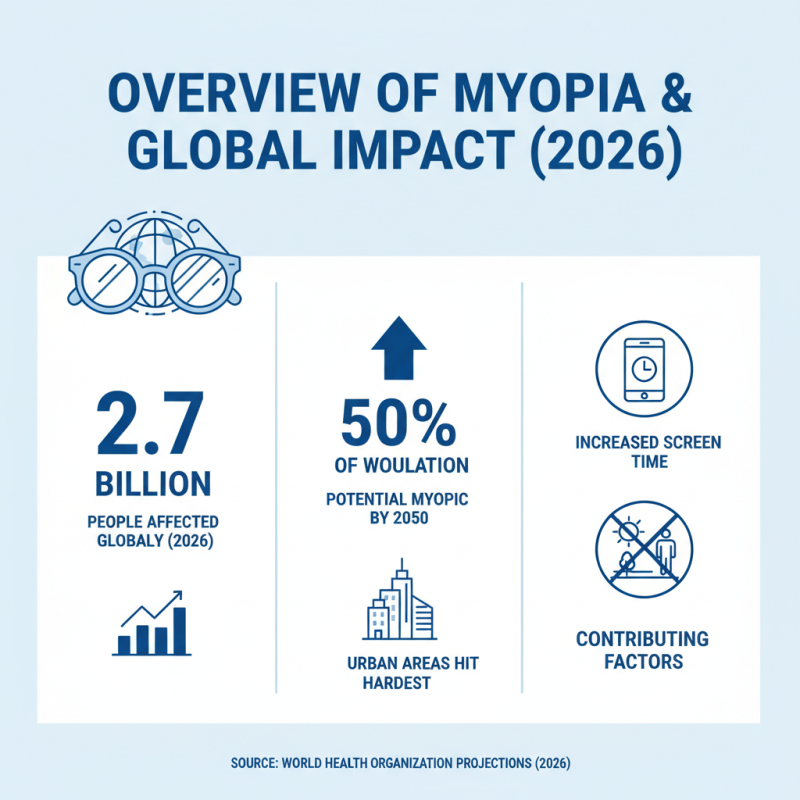
Myopia, or nearsightedness, affects nearly 2.7 billion people globally as of 2026. The rapid rise in myopia prevalence is alarming. Research shows that by 2050, nearly half of the world’s population could be myopic, particularly in urban areas. Increased screen time and less outdoor activity contribute to this epidemic.
Studies indicate that children with myopia are more likely to develop severe vision problems later. The World Health Organization predicts that nearly 30% of children aged 6 to 15 will be myopic by 2026. As awareness grows, effective control methods are critical. Eye care professionals recommend regular eye exams and outdoor play to manage myopia progression.
Tips to reduce myopia risk include limiting screen time and ensuring proper lighting while reading. Encourage children to take breaks, following the 20-20-20 rule: every 20 minutes, look at something 20 feet away for 20 seconds. Deepening our understanding of myopia can help us create environment-focused solutions that address this global issue.
Criteria for Selecting the Best Myopia Control Lenses
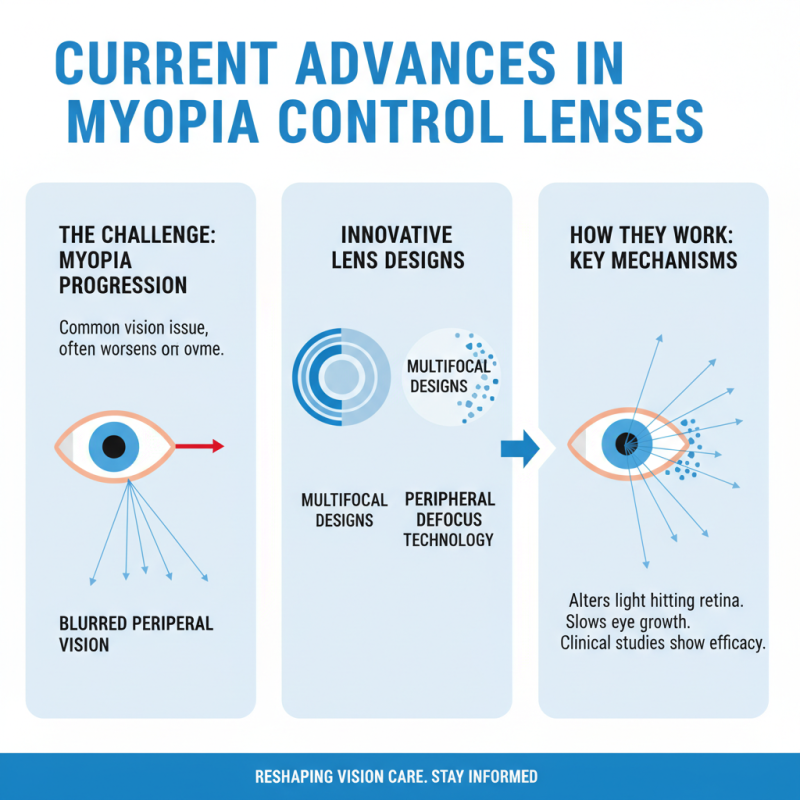
When selecting myopia control lenses, several criteria are essential. First, consider the lens design. Recent studies reveal that multifocal and dual-focus lenses are effective in slowing myopia progression. These lenses work by shifting focus between different optical zones. This design encourages the eye to relax, potentially reducing the risks associated with myopia.
Next, assess the material used for the lenses. High-quality, lightweight materials enhance comfort and wearability. According to the World Health Organization, the global prevalence of myopia is projected to reach 50% by 2050. Hence, the choice of material can significantly impact daily wear, especially for children and teenagers who may have longer usage periods.
Another crucial factor is the lens adaptability to children’s visual needs. A 2022 report highlighted that children adapt better to lenses that are easier to wear throughout the day. This plays a role in compliance and overall success in controlling myopia. However, not every lens fits every child perfectly, indicating the importance of personalized fitting and follow-up assessments for optimal results.
Top Brands Offering Myopia Control Solutions in 2026
As myopia rates continue to rise globally, 2026 sees an exciting range of solutions aimed at managing this condition. Various top brands are innovating in this field, offering lenses designed specifically for myopia control. These advancements promise to slow the progression of myopia while ensuring visual clarity for wearers. It’s important to stay informed as new technologies emerge.
When choosing myopia control lenses, consider your personal lifestyle. High-quality lenses often include features like blue light filtering and adaptive optics. These details can enhance your visual comfort, especially if you spend long hours in front of screens. Some users report a need for adjustments and feedback to find the right solution. Finding the best fit might require trying different options.
Consult with an eye care professional to tailor a strategy that suits your needs. They can provide insights and the latest recommendations based on your situation. Staying proactive is key in myopia management. Regular check-ups can help to monitor your eye health effectively. Balancing lifestyle habits with proper eye care is crucial for long-term success.
Myopia Control Lenses Market Share in 2026
Future Trends and Innovations in Myopia Management Lenses
As we look ahead to 2026, the landscape of myopia management will continue to evolve. Innovations in lens technology are crucial for effectively controlling myopia worldwide. Researchers are exploring various designs, including dual-focus lenses and special coatings. These advancements aim to slow the progression of myopia, especially in children.
The emphasis will be on customization and personalization in lens design. Every wearer has unique visual needs. Custom lenses can better address individual eye health, improving comfort and effectiveness. However, access to these advanced solutions may vary globally. Not all markets will see the same availability of innovative products.
While the future is promising, challenges remain. Not all new technologies will be immediately accessible or affordable. Disparities in healthcare systems can hinder progress. Continual research and awareness are essential for better vision care. Stakeholders must prioritize collaboration to bridge these gaps and enhance myopia management for all.