Top 10 UV Protection Glasses for Global Buyers
Global buyers face more than bright sunlight when choosing protective eyewear. They may compare products for outdoor work, driving, travel, or everyday wear. Uv Protection Glasses can look similar in online photos, yet lens tint alone does not confirm how well a pair filters ultraviolet rays. Check the stated UV rating, product documentation, and seller details before comparing styles or prices. Claims should be clear and verifiable, not just printed on a colorful package.
This guide to the Top 10 UV Protection Glasses for Global Buyers examines practical details that matter during selection. These include lens coverage, frame fit, comfort, durability, and the availability of reliable specifications. A close-fitting frame may help reduce light entering from the sides, while lightweight materials can feel more comfortable during a long day outside. Small details matter. Product descriptions do not always answer every question, and regional standards or testing information may differ. That limitation deserves attention. The list is a starting point, not a substitute for checking the evidence behind each product claim. By weighing documented protection alongside fit and intended use, buyers can make a more informed choice without relying on appearance alone.
How UV-Blocking Glasses Protect the Eyes
UV-blocking glasses reduce the ultraviolet radiation that reaches the eyes. UVA and UVB rays can pass through clouds, so exposure is possible on overcast days as well as bright ones. Long periods outdoors make protection especially relevant, whether you are walking beside reflective water or commuting on a sunny street. The effect is gradual. You may not notice exposure while it is happening.
Look for clear labeling that states 100% UVA and UVB protection or UV400. Lens darkness alone is not a reliable guide: dark lenses without adequate UV filtering can give a false sense of safety. Tint can mislead. A light-colored lens may still provide strong UV protection if its filtering is properly specified. When product details are unclear, ask the seller for test information rather than guessing from appearance.
Coverage and fit matter, too. Frames that sit close to the face and extend toward the temples can help limit rays entering from the sides, though no glasses block every angle. A hat with a brim adds another layer outdoors. Glasses are not a reason to ignore shade, particularly around water, snow, or pale pavement that reflects sunlight. It is easy to focus on the lens and overlook the gaps around it. Check the fit, labeling, and condition of the glasses before relying on them.
UV Ratings, Lens Labels, and Global Safety Standards
When comparing ten UV-protection glasses, start with the lens label, not its color.
A dark lens can reduce visible brightness while offering poor UV screening. Look for “UV400” or a clear statement of 100% UVA and UVB protection. UV400 generally indicates coverage through wavelengths up to 400 nanometres. Check the maker’s test details when available. Labels can mislead.
Standards help, but their marks are not identical worldwide. ISO 12312-1 is a widely used sunglasses standard; some markets also apply national requirements, such as ANSI Z80.3 in the United States. Confirm the exact standard and current edition for the sales region. A conformity mark alone may not explain a lens’s UV performance. That distinction matters.
Lens categories describe visible-light transmission and intended use, not UV blocking. Polarization reduces reflected glare, especially from wet roads or water, but does not prove UV protection. Compare the product insert, lens category, and conformity information together. I would not trust tint as a shortcut; it feels intuitive, yet it is unreliable. Standards and labeling can vary by market, so check the details before buying.
How Climate, Activities, and Fit Guide Glasses Selection
Top 10 UV Protection Glasses for Global Buyers
How Climate, Activities, and Fit Guide Glasses Selection
Climate changes what good coverage means. At high elevations, snow can reflect sunlight toward the eyes, while bright water creates glare from below. In humid, sunny regions, lightweight frames and secure nose pads may feel more comfortable during long outdoor hours. Still, lens darkness alone does not prove UV protection. Check for clear UVA and UVB protection information, such as a UV400 specification, and buy from a seller who can verify it.
Match the design to your activity. Hikers may value broad side coverage against changing light and wind; cyclists often need a stable fit that stays put when they look down. For driving, prioritize clear vision and avoid lenses that make road signals difficult to distinguish. Polarized lenses can reduce reflected glare, but they do not replace UV protection. A useful detail: test the frame with your usual hat or helmet before buying.
Fit is personal. The frame should sit comfortably on your nose, cover the eye area, and avoid pinching at the temples. Fit matters. A stylish pair can still slide when skin gets warm, and that is easy to overlook in a shop. If you wear prescription lenses, ask an eye-care professional about suitable UV-protective options and lens quality. Even careful shoppers may need a second try; online sizing is imperfect.
Top 10 UV Protection Glasses for Global Buyers: How Climate, Activities, and Fit Guide Glasses Selection
UV Index Categories: Starting Thresholds
UV Index categories help buyers consider local conditions when choosing eyewear. The values below show the starting UV Index for each category, based on the World Health Organization classification.
Selection tip: The UV Index is a measure of environmental UV exposure, not a measure of lens quality. When the UV Index is 3 or higher, use sunglasses that block 99–100% of UVA and UVB rays (often labeled UV400). For bright, reflective environments or active use, consider a secure, close-fitting or wraparound frame for added coverage. Check your local UV forecast, since conditions vary with location and time.
Ten UV Protection Glasses Compared for Global Buyers
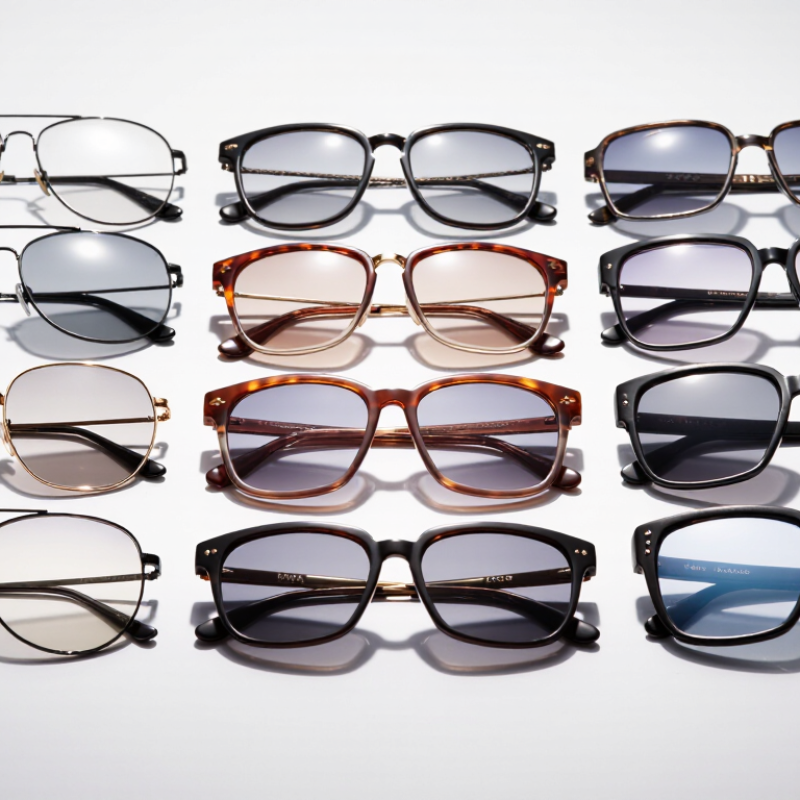
These ten styles suit different faces, routines, and light conditions.
Classic full-frame glasses offer broad everyday coverage, while rimless designs feel lighter but may leave more skin exposed. Wraparound lenses reduce side gaps; oversized frames add coverage but can feel bulky. Sport frames stay secure during movement, though their curved lenses need a comfortable fit. Fit matters.
Polarized lenses cut reflected glare from roads and water, but polarization alone does not confirm UV protection. Photochromic lenses adjust as light changes, yet may darken less inside some vehicles. Children’s frames need a stable bridge and flexible arms. Prescription-ready options help buyers who need corrective lenses. Foldable frames save bag space but add hinges that may need care. Tinted fashion lenses look appealing; tint is not proof of UV filtering.
Compare lens coverage, frame comfort, and verified UV test information before choosing. A UV400 label can be useful, but supporting documentation offers stronger reassurance. Global buyers should consider bright outdoor use, frequent cloud cover, and local availability of replacement lenses. Try the frames in daylight if possible. A small gap near the temple can matter, and product descriptions rarely show how a frame sits on every face.
How to Verify, Wear, and Maintain UV Protection Glasses
To verify UV protection glasses, check the lens label for “UV400” or explicit protection against both UVA and UVB rays. When possible, review test information from the seller or manufacturer; a dark tint alone proves nothing. Polarization can reduce glare, but it does not confirm UV protection. A dark lens can feel reassuring, but that impression is not evidence. If product details are vague, choose a pair with clearer documentation.
Fit matters outdoors. The frames should sit securely without pinching, and larger lenses or side coverage can help limit light entering around the edges. Wear them on cloudy days too, since clouds do not block all ultraviolet radiation. Keep using a brimmed hat or shade when practical. Glasses are helpful, not a magic shield. I sometimes forget them when stepping outside briefly; those quick trips still count.
Rinse dusty lenses before wiping, so grit does not leave fine scratches. Use lukewarm water, a little mild soap, and a clean microfiber cloth. Avoid paper towels and hot car dashboards, which may scratch or warp frames. Store the glasses in a case, and inspect the lenses and hinges regularly. If lenses are deeply scratched or protection claims cannot be confirmed, seek reliable product guidance before relying on them.