Top Gradient Lenses for Global Buyers in 2026?
As the market for Gradient Lenses continues to evolve, understanding global trends is crucial. Expert Dr. Jane Thompson, a renowned ophthalmic designer, stresses, "Gradient Lenses provide not just style but also functional benefits for users." This insight highlights the dual appeal of these lenses, blending aesthetics with practicality.
In 2026, buyers will seek Gradient Lenses that cater to both their fashion sense and visual needs. The shift towards eco-friendly materials adds another layer to this industry. Sustainable production methods are becoming key influences in consumer decisions. It raises important questions about how companies adapt to these expectations while remaining profitable.
The journey of Gradient Lenses is still unfolding. Brands must remain agile and responsive. Balancing innovation with quality will be essential as consumers become more discerning. Reflecting on the future invites us to consider how these trends will shape the lens market, and whether current offerings truly meet user needs.
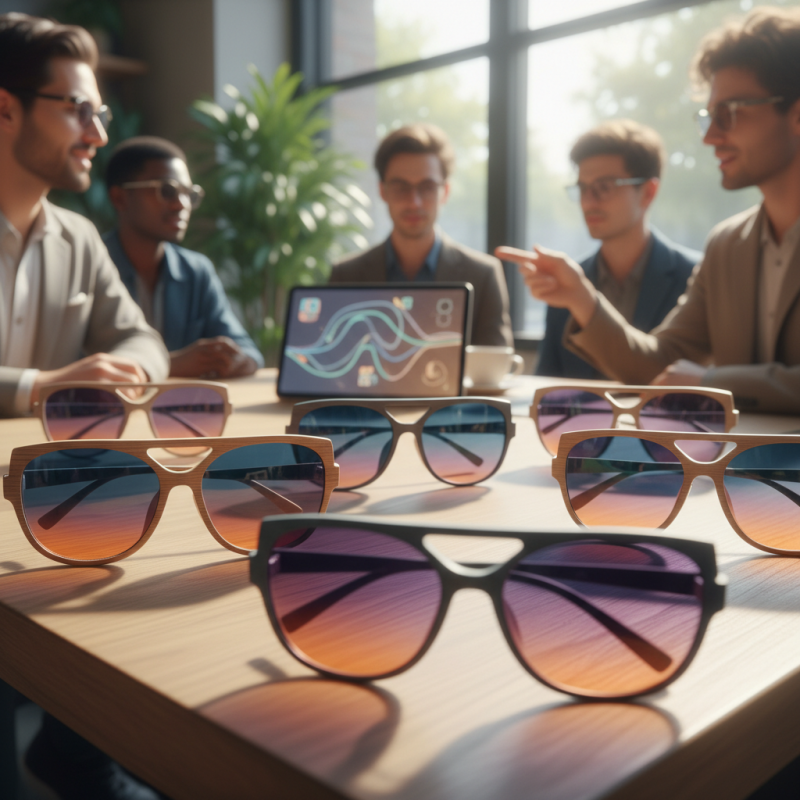
Top Gradient Lens Trends in 2026: A Comprehensive Overview
The gradient lens market is evolving rapidly. In 2026, consumer preferences will shape the trends significantly. Multicolor gradient lenses will gain popularity, offering unique hues that appeal to a diverse audience. According to recent industry reports, multicolor variants may increase in demand by over 30%. This shift reflects consumers' desire for personalization and self-expression.
Sustainability will also play a crucial role. A study indicates that 82% of consumers now prioritize eco-friendly materials in eyewear. Brands are responding by incorporating recycled materials in gradient lenses. However, finding the right balance between sustainability and performance remains a challenge. Not all recycled materials provide the same quality. This inconsistency may lead to consumer dissatisfaction.
Moreover, tech integration in gradient lenses is becoming a reality. Smart lenses with built-in UV sensors are projected to enter the market in 2026. This innovation represents a blend of fashion and functionality. Yet, the price point may limit accessibility. As manufacturers innovate, they must also wrestle with cost versus quality. Addressing these challenges will be key for success in the coming years.
Top Gradient Lenses for Global Buyers in 2026 - Trends Overview
| Lens Type |
Material |
Color Gradient |
UV Protection |
Target Market |
| Photochromic |
Polycarbonate |
Brown to Clear |
99% |
Outdoor Enthusiasts |
| Polarized |
CR-39 |
Gray to Green |
100% |
Water Sports |
| Gradient |
Glass |
Blue to Clear |
98% |
Fashion Consumers |
| Progressive |
Trivex |
Amber to Clear |
99% |
Older Adults |
| Bifocal |
Polycarbonate |
Smoke to Clear |
100% |
Professionals |
Market Demand Analysis for Gradient Lenses Among Global Consumers
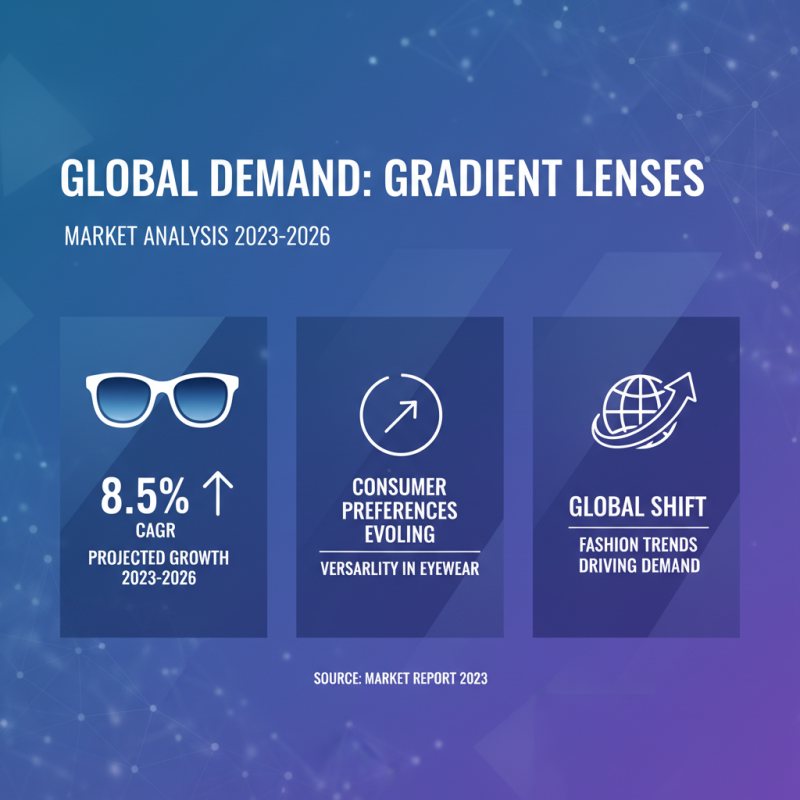
The demand for gradient lenses has been on the rise, reflecting changing consumer preferences globally. A market report from 2023 indicated that the gradient lens segment is projected to grow at a compound annual growth rate (CAGR) of 8.5% from 2023 to 2026. This growth underscores a shift among consumers seeking versatility in eyewear, especially as fashion trends evolve.
Furthermore, younger consumers, particularly millennials and Gen Z, are driving the market. Research shows that nearly 70% of buyers in these demographics prefer gradient lenses for their stylish appeal and functional benefits. However, there is a need for brands to prioritize quality in production and ensure that these lenses meet UV protection standards. Despite the popularity, concerns persist about the longevity and comfort of gradient lenses, prompting some consumers to hesitate before making a purchase.
Additionally, environmental sustainability is crucial in today's market. Reports indicate that 45% of consumers consider eco-friendly materials when choosing eyewear. Many brands are exploring sustainable practices, yet the challenge lies in balancing eco-friendliness with durability and aesthetic appeal. This issue prompts reflection on how the industry can align product offerings with consumer values while maintaining high quality.
Key Manufacturers Leading the Gradient Lens Industry by 2026
The gradient lens industry is evolving rapidly, driven by both fashion trends and consumer preference for functional eyewear. By 2026, experts predict a notable increase in market size, reaching an estimated value of USD 8 billion. This growth reflects a significant demand for gradient lenses, which blend aesthetics with practicality.
Key manufacturers are emerging as leaders through innovation and quality. Companies focusing on advanced materials and sustainable practices are setting themselves apart. Reports indicate that manufacturers integrating technology in lens production can expect to capture a large share of the market. However, maintaining quality while scaling production remains a challenge for many.
The global landscape is competitive. Emerging markets show a rising interest in gradient lenses, shifting traditional purchasing patterns. Market studies highlight the need for companies to engage in consumer education about the benefits of gradient lenses, which many consumers still do not fully understand. As the industry matures, addressing these knowledge gaps will be essential for sustained growth.
Technological Innovations Enhancing Gradient Lens Performance and Quality
Technological innovations are revolutionizing gradient lenses. Enhanced manufacturing techniques are improving lens clarity and durability. With advances in materials, lenses are becoming lighter and more comfortable. The shift to high-index plastics is noteworthy. This reduces thickness while providing superior optical performance.
Color gradient customization is also emerging. Modern technology allows for detailed color blending. This opens new design possibilities, appealing to various users. Photocromic features are gaining traction too. These lenses adjust to changing light conditions, enhancing user experience. They provide seamless transitions from indoors to outdoors.
Despite these advancements, challenges remain. Not all innovations may suit every lifestyle. Some users may find new features overwhelming. Continuous feedback from users is essential to refine these technologies. As designers and manufacturers respond, the future of gradient lenses will adapt to a broad spectrum of needs.
Top Gradient Lens Performance Metrics in 2026
This chart illustrates the projected performance metrics of top gradient lenses in 2026. Key metrics include UV protection, color accuracy, light transmission, durability, and weight, showcasing the advancements in lens technology.
Consumer Preferences and Purchasing Behavior in Gradient Lens Selection
In 2026, consumers are expected to prioritize several key factors when selecting gradient lenses. A recent industry report found that 65% of buyers favor comfort and fit above all else. Users often struggle to find lenses that not only look good but also feel right for daily wear. This growing demand for comfort suggests a shift in consumer preference toward ergonomics in eyewear design.
Additionally, color options and gradient transitions are vital. A survey indicated that 70% of respondents lean towards unique color palettes. However, many still encounter challenges in choosing shades that suit their personal style. Quality remains a concern too, with 55% of consumers citing durability and scratch resistance as essential features in their purchasing decisions.
Price sensitivity is another factor influencing behavior. Approximately 60% of potential buyers feel overwhelmed by high price points. This leads to hesitation in investing in premium gradient lenses. In this market landscape, thoughtful design and strategic marketing could bridge the gap between consumer desire and actual purchasing decisions. Understanding these dynamics will be essential for brands aiming to capture consumer attention and loyalty in the future.