Essential Tips for Choosing the Right Spherical Lens?
Choosing the right Spherical Lens can be a daunting task. With numerous options available, making the best choice is crucial. A Spherical Lens impacts image clarity and dimensions. This is vital for photographers and filmmakers. It shapes how viewers perceive the final product.
Consider what you need with a Spherical Lens. Are you focused on wide angles or macro shots? Each lens serves a different purpose. They also vary in price and quality. Not every lens will fit all cameras. Understanding your camera specifications is essential. This can prevent mismatches that frustrate users.
Quality matters. Look for trusted brands known for their optics. Yet, even reputable brands have flaws. Some lenses might distort images or produce unwanted glare. Read reviews and seek firsthand experiences. It helps to reflect on your specific needs and intended use. Recognize that the perfect lens may not exist. Embrace the learning curve and adjust your expectations accordingly. Finding the ideal Spherical Lens can be challenging, but with careful thought, you can make an informed decision.
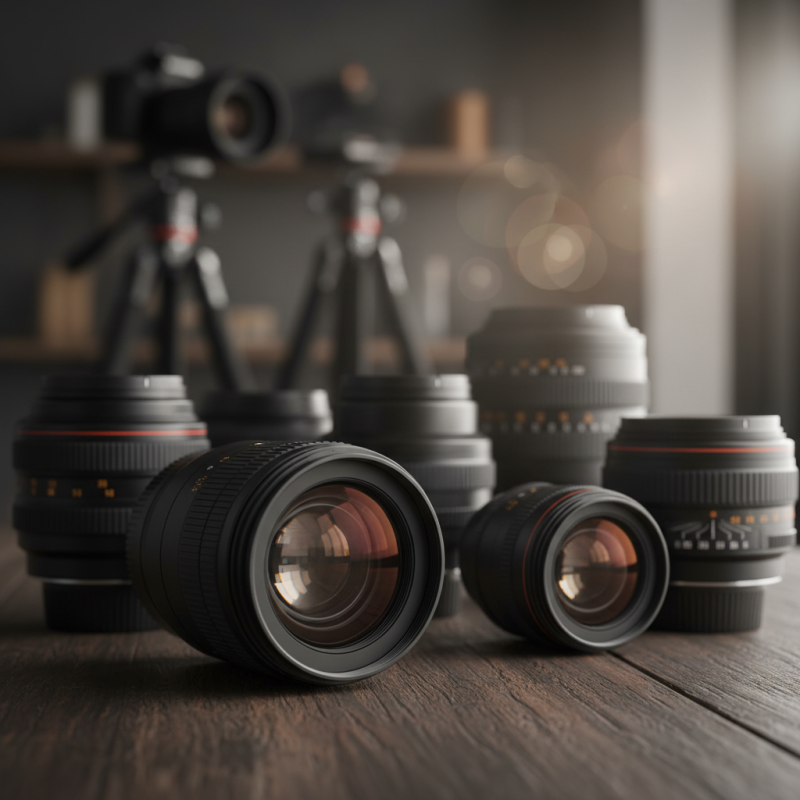
Understanding Spherical Lenses: An Overview of Their Functions
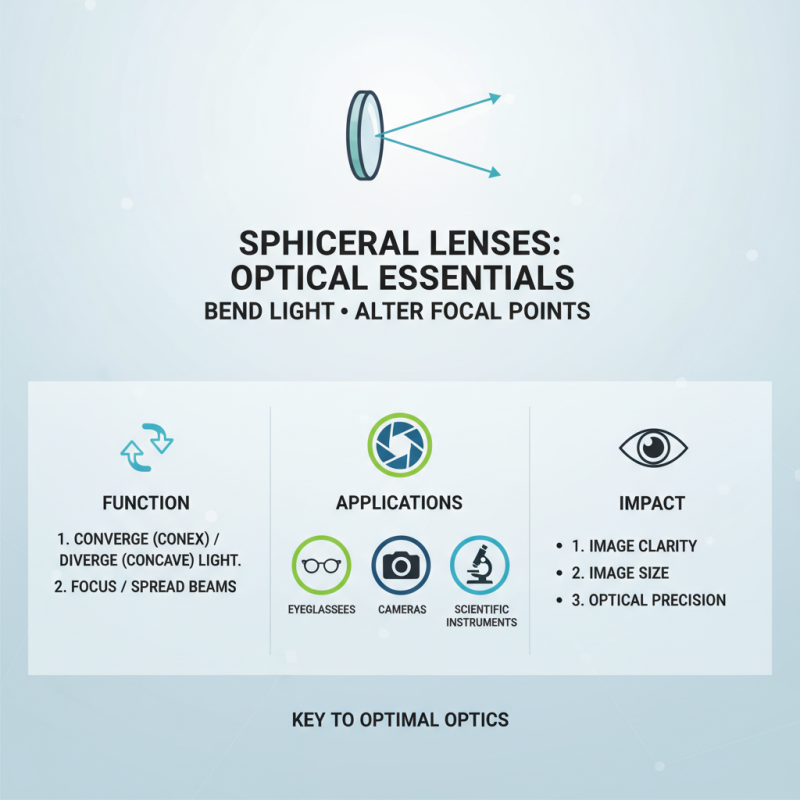
Spherical lenses are vital in various optical applications. They bend light to converge or diverge beams. Understanding their functions is key to making the right choice. These lenses can be found in eyeglasses, cameras, and scientific instruments. They alter focal points, influencing image clarity and size. Knowing how they work helps users meet their needs.
When choosing a spherical lens, consider the desired effect. Think about the light conditions. Do you need a lens that focuses light sharply? Or one that spreads light out? Think about the material as well. Glass and plastic have different refractive indices. Each plays a role in how light travels through a lens. This influences optical quality.
Some tips include testing lenses in real-life situations. Don’t just rely on specifications. Check how they perform in varying light. Be open to experimenting. A lens may seem perfect on paper but can disappoint when used. Always revisit choices and ask questions. Reflecting on each decision can lead to a better selection for your specific needs.
Key Factors to Consider When Selecting Spherical Lenses
When selecting spherical lenses, consider multiple key factors. Optics professionals emphasize the importance of lens material. Glass and plastic both have unique properties. Glass provides superior image quality but can be heavier. Plastic is lighter and more impact-resistant, making it ideal for everyday use.
Another vital consideration is the lens curvature. The curvature affects how light rays are focused. A steeper curve creates a stronger magnifying effect. However, it may also introduce distortion. According to a recent study, nearly 30% of users reported issues with curved lenses affecting image clarity.
Tips for choosing the right spherical lens: Evaluate your specific needs before making a decision. If you require precision, prioritize optical quality. For casual use, focus on weight and durability. Additionally, think about coatings. Anti-reflective coatings can enhance visibility, especially in bright conditions. Also, consider the lens size. A larger lens may offer a wider field of view but can come with limitations in portability. Reflect on these details to choose wisely.
Essential Tips for Choosing the Right Spherical Lens
Different Types of Spherical Lenses and Their Applications
Spherical lenses are crucial in many optical applications. They are common in cameras, glasses, and microscopes. Understanding the types of spherical lenses helps in choosing the right one. Two main types are convex and concave lenses. Convex lenses converge light, while concave lenses diverge it.
In a study by the Optical Society, about 70% of consumers prefer high-quality lenses in eyewear. Convex lenses are often used in magnifying glasses and projectors. They enhance the clarity of images. Concave lenses are essential in correcting nearsightedness. Approximately 30% of the population experiences some form of myopia, making concave lenses vital in eyeglasses.
When selecting spherical lenses, consider coatings and materials. Anti-reflective coatings improve light transmission. However, certain coatings can degrade under UV exposure. This can lead to a decrease in performance over time. Furthermore, the lens shape can introduce distortions. For instance, improper curvature can create blurring at the edges. These factors require careful assessment.
How Material Choices Affect Lens Performance and Quality
Choosing the right spherical lens is more than just a matter of magnification. The material used in lens construction can greatly influence performance and quality. For instance, glass lenses offer superior clarity, while plastic lenses provide lightweight options. According to industry reports, glass lenses typically exhibit a lower total harmonic distortion than their plastic counterparts. This difference can affect image sharpness and overall user experience.
In terms of coatings, anti-reflective and scratch-resistant options can enhance lens functionality. A report from the Optical Society indicates that properly coated lenses can reduce glare by up to 50%. However, not all coatings maintain their effectiveness over time. Users often face challenges with smudging and wear, which may diminish performance. The longevity of these coatings is a critical point to consider before making a purchase.
Moreover, the refractive index of a lens material plays a crucial role. Higher refractive indices allow for thinner, lighter lenses without sacrificing optical quality. A recent study noted that the right material choice could reduce lens thickness by as much as 20%. This efficiency is vital for comfort, especially in eyewear. Yet, sphericity can be compromised with certain materials, leading to potential image distortions. Hence, careful evaluation is necessary.
Evaluating Lens Coatings for Enhanced Vision and Durability
When choosing spherical lenses, lens coatings significantly influence both vision clarity and durability. A quality coating can enhance light transmission. This is key for reducing glare and improving color accuracy. According to a report by the Vision Council, 70% of users prefer lenses with advanced coatings. These coatings can minimize reflections and block harmful blue light. Just think about the difference it can make for someone who spends all day in front of screens.
Consider anti-scratch coatings, which can extend the life of lenses. A study conducted by the Optical Society found that lenses with scratch-resistant coatings lasted 40% longer than those without. However, these coatings are not foolproof. Proper care is still essential. Some users may find that while coatings provide extra durability, they can sometimes hinder the overall visual experience. It’s crucial to weigh these factors when making a choice.
Investing in multifunctional coatings is often beneficial. Anti-fog coatings can enhance safety during varying temperatures. Research indicates that around 30% of individuals experience fogging issues. Yet, these coatings can wear off over time. Regular maintenance is needed to ensure optimal performance. Remember, not all coatings are created equal. It’s wise to consider user reviews and expert insights for the best decision.