Essential Tips for Choosing the Right Resin Lens?
Choosing the right resin lens can significantly impact your visual experience. Resin lenses are popular for their lightweight and impact-resistant qualities. They cater to various needs, from everyday wear to specialized activities. A well-chosen lens can enhance clarity and reduce eye strain.
When selecting a resin lens, consider factors like prescription accuracy, lens coatings, and durability. Not all resin lenses are created equal. Some may scratch easily or distort vision at certain angles. Always prioritize quality over cost. A cheaper lens might seem like a deal, but it often leads to regret.
Pay attention to brand reputation and expert reviews. Reliable sources can guide you to reputable manufacturers. In this crowded market, a thoughtful choice is essential. Your lenses should enhance your sight, not compromise it. Reflect on your priorities when making a decision. The right resin lens can make all the difference.
Understanding Resin Lenses: Types and Benefits
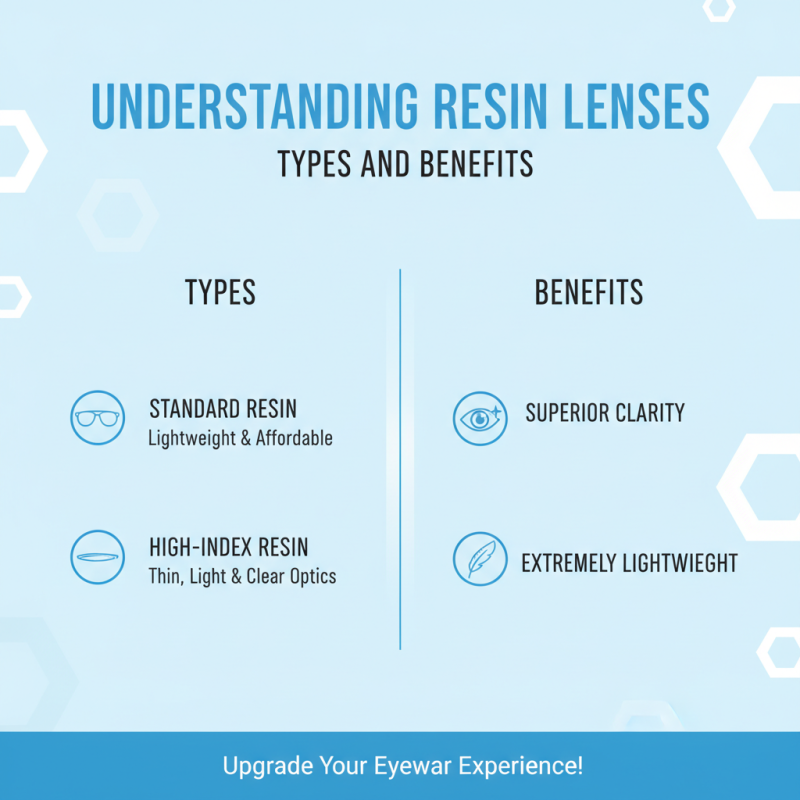
When choosing resin lenses, it’s crucial to understand their types and benefits. Resin lenses are popular due to their lightweight nature. They are made from various materials that offer unique advantages. For example, thin resin lenses provide excellent optical clarity while keeping the weight low.
These lenses come in different types, such as polycarbonate and high-index options. Polycarbonate lenses are impact-resistant, making them ideal for active lifestyles. They are less likely to shatter, which adds safety. However, they might scratch more easily and require additional coatings. High-index lenses, on the other hand, are thinner and lighter, benefiting those with strong prescriptions. However, they can be more expensive.
Choosing the right type depends on your needs and lifestyle. It’s essential to reflect on daily activities. Some may prioritize durability, while others value aesthetics. Consider where you’ll use these lenses most often. Understanding how these factors play a role can lead to a more satisfying choice. Ultimately, the right resin lens not only enhances vision but also complements your daily life.
Factors to Consider When Choosing Resin Lenses
When choosing resin lenses, several factors should be on your radar. Resin lenses are lightweight, making them a popular option. However, their susceptibility to scratches requires careful consideration of coating options. According to a report from the National Institute of Health, over 50% of eyewear users report scratching their lenses within a year. This makes protective coatings essential.
The thickness of resin lenses impacts their visual quality. Thicker lenses can distort vision. A study published in the Optical Society journal found that lens distortion increased by 30% with a rise in thickness. It's crucial to balance thickness and prescription requirements. Seek guidance from an eye care professional to ensure the best fit.
Tip: Always verify the index of refraction for resin lenses. Higher indices lead to thinner lenses with better visual clarity.
Another aspect to ponder is UV protection. Not all resin lenses offer the same level of UV shielding. Research indicates that UV exposure can lead to long-term eye damage. Ensuring adequate UV protection is a critical factor to consider when selecting your lenses. Remember, comfort and clarity should not be compromised for price.
Essential Tips for Choosing the Right Resin Lens
Comparing Resin Lenses to Other Lens Materials
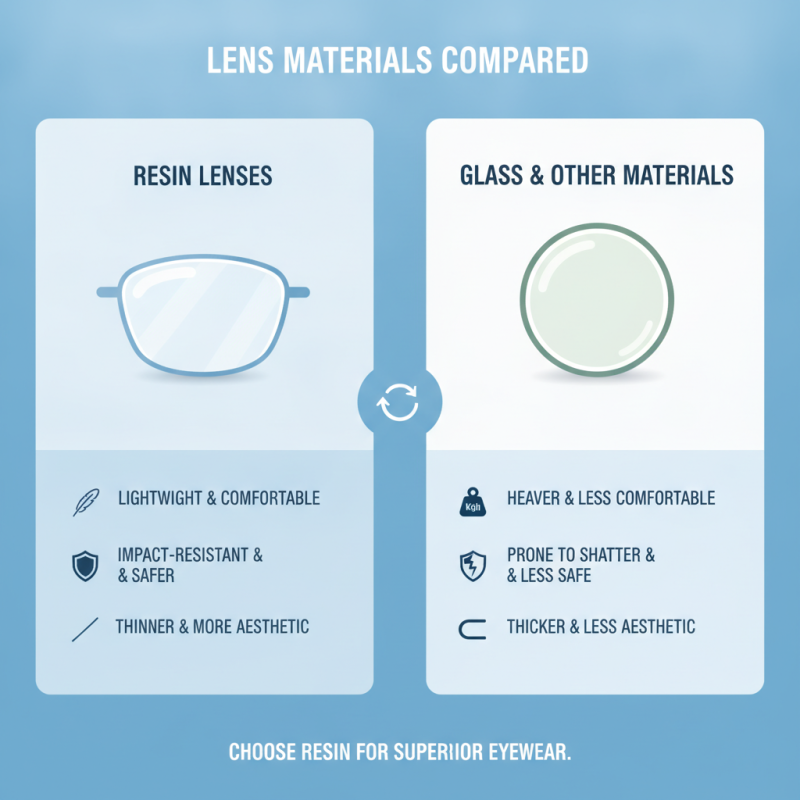
When selecting lenses, understanding the material is crucial. Resin lenses are popular for their lightweight nature. They offer great comfort, especially for prolonged wear. Unlike glass lenses, resin is less likely to shatter on impact. This makes them safer for everyday use. Additionally, resin lenses can be made thinner than glass, enhancing aesthetics.
However, resin lenses do come with drawbacks. They scratch more easily than other materials. Customers often overlook this aspect. Regular maintenance is essential to keep them in good shape. Coatings can help, but they add to the cost. In contrast, glass lenses are much more durable. However, they are heavier and can cause discomfort over time.
It’s also essential to consider distortion. Resin lenses can display more distortion than glass, especially at the edges. For those who need precise vision, this is a significant concern. Buyers should weigh these factors carefully. Ultimately, the choice will vary based on individual needs and usage.
Tips for Proper Care and Maintenance of Resin Lenses
Caring for resin lenses requires attention and effort. Regular cleaning is essential to maintain clarity. Use a soft microfiber cloth for wiping away dust and fingerprints. Avoid using paper towels or rough fabrics; they may scratch the surface. A lens solution specifically formulated for resin is advisable.
Storage plays a crucial role in the longevity of resin lenses. Keep them in a protective case when not in use. Extreme temperatures can warp or damage them. Many users overlook this, risking their investment. Always ensure the lenses are completely dry before storing them to prevent bacteria growth.
Periodic inspections of the lenses can help identify any small issues before they escalate. Look for scratches or signs of wear. Replace them if needed and consult with an eye care professional for guidance. Regular maintenance often gets neglected, leading to larger problems down the line. Taking these steps ensures that your resin lenses last longer and remain functional.
Essential Tips for Choosing the Right Resin Lens
| Aspect |
Tip |
| Lens Material |
Choose high-quality resin for better clarity and durability. |
| Lens Index |
Select a high index lens for a thinner profile if you have a strong prescription. |
| Coatings |
Consider anti-reflective coatings to reduce glare and enhance visibility. |
| UV Protection |
Ensure the lenses provide UV protection to safeguard your eyes. |
| Scratch Resistance |
Opt for scratch-resistant coatings to improve lens longevity. |
| Weight |
Choose lightweight materials for comfort during extended wear. |
Tips for Proper Care and Maintenance of Resin Lenses
| Maintenance Aspect |
Care Tip |
| Cleaning |
Use a microfiber cloth and lens cleaner to clean lenses safely. |
| Storage |
Store lenses in a protective case to prevent scratches. |
| Avoid Chemicals |
Keep lenses away from household cleaners and perfumes. |
| Regular Inspection |
Check lenses regularly for scratches or damages. |
| Avoid Extreme Temperatures |
Do not leave lenses in extreme heat or cold to prevent warping. |
How to Assess Lens Quality and Performance Standards
When assessing lens quality, consider several key performance standards. The optical clarity of resin lenses is crucial. Reports indicate that over 90% of users prefer lenses with higher clarity ratings. This clarity enhances vision, reducing eye strain during prolonged use. Check the lens index. Higher index lenses, typically above 1.60, are thinner and lighter, improving comfort and style without sacrificing performance.
Another important factor is scratch resistance. Many manufacturers rate their lenses on a scale. A lens rated as "high" can resist scratches more effectively, essential for daily wear. Focus on coatings too. Anti-reflective and UV protection coatings can enhance lens performance, improving vision quality outdoors. According to a survey, users who prioritize coatings report a 30% increase in satisfaction with their eyewear.
Lightweight features also matter. Lenses that weigh less facilitate longer usage without discomfort. However, balance is key. Some lightweight options may compromise on durability. Therefore, it’s essential to evaluate which features align with your lifestyle needs. User feedback helps gauge real-world performance. That insight can reveal limitations with various resin lenses after extended use, guiding better decisions.