Top Tips for Choosing Photochromic Sunglasses Today
Choosing the right Photochromic Sunglasses can be challenging. The market is filled with options that cater to various needs. According to Dr. Mia Gonzalez, an expert in optical science, "The right sunglasses should blend style and function effortlessly." With the right pair, you can enjoy outdoor activities without straining your eyes.
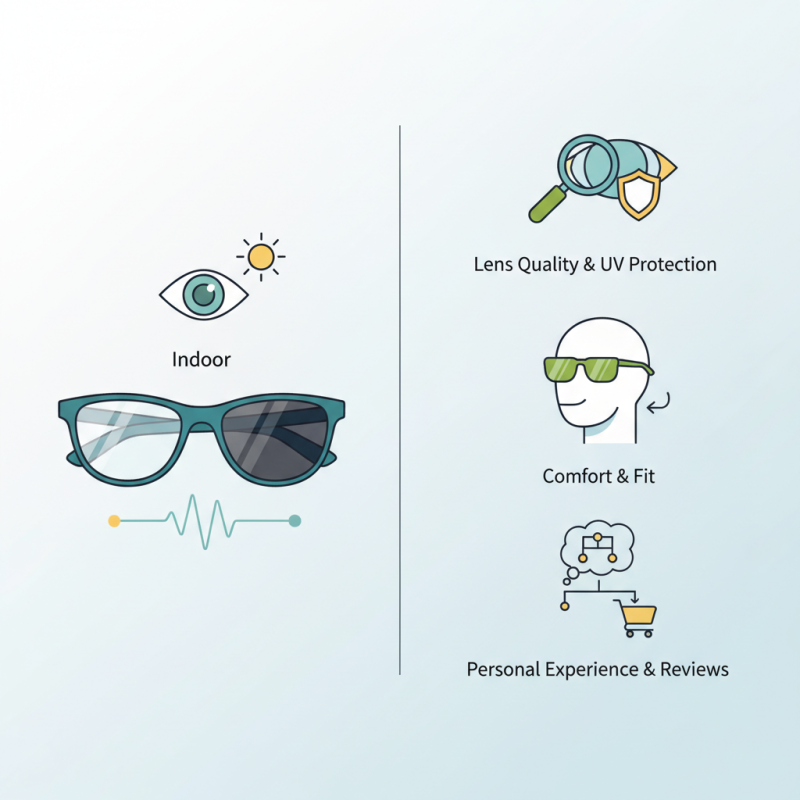
Photochromic Sunglasses automatically adjust to light changes. This technology is beneficial for those who move between indoor and outdoor environments. It's crucial to consider factors like lens quality and UV protection. Not all Photochromic Sunglasses are created equal. You may find some are slower to adjust than others. This can be frustrating in dynamic settings.
Pay attention to the fit as well. Sunglasses should be comfortable yet secure. If they slip or pinch, you might not wear them often enough. Reading reviews can help, but personal experience is key. Each person's needs vary, and finding the perfect pair requires time. Remember that what works for one may not work for another.
Understanding Photochromic Sunglasses: What They Are and How They Work
Photochromic sunglasses are special eyewear designed to adapt to changing light conditions. They darken when exposed to sunlight and lighten indoors. This ability is due to special chemicals in the lenses. These chemicals react to UV light. It's a fascinating science, blending optics and chemistry.
When selecting photochromic sunglasses, consider lens quality. Not all lenses react the same way. Some may take longer to adjust than others. Look for durable materials that block harmful UV rays. A good lens can prevent eye strain and damage.
Comfort is also key. Try different styles to find a pair that fits well. A loose fit may not offer the protection you need. On the other hand, a tight fit could become uncomfortable. Always check the warranty, as quality can vary significantly among options. Reflect on your lifestyle. Will you often transition between indoor and outdoor settings? This can help guide your decision. Choosing the right pair can enhance both your comfort and eye protection.
Key Features to Consider When Choosing Photochromic Sunglasses
When selecting photochromic sunglasses, consider lens quality. High-quality lenses adjust faster and provide better UV protection. Look for lenses that block 100% of harmful UVA and UVB rays. It’s crucial for eye health. Choose a lens that transitions quickly from dark to clear. Some may take too long, which can be annoying.
Frame comfort is another key feature. The best pair fits snugly without pinching. Check the weight; lightweight frames feel better during long wear. Also, consider styles that suit your lifestyle. Some sunglasses are more versatile than others. Think about your activities. Will you be hiking, driving, or at the beach?
Finally, always take time to test them out. Some people find photochromic lenses change too slowly. Others may notice color distortion. Read reviews or ask for recommendations. Finding the perfect pair can feel overwhelming. Be patient in your search and consider all these elements carefully.
Top Tips for Choosing Photochromic Sunglasses Today - Key Features to Consider When Choosing Photochromic Sunglasses
| Feature |
Description |
Considerations |
| UV Protection |
Ensures sunglasses block harmful UV rays. |
Look for 100% UV protection rating. |
| Transition Speed |
How quickly lenses adjust from clear to dark and vice versa. |
Check user reviews for real-world performance. |
| Lens Material |
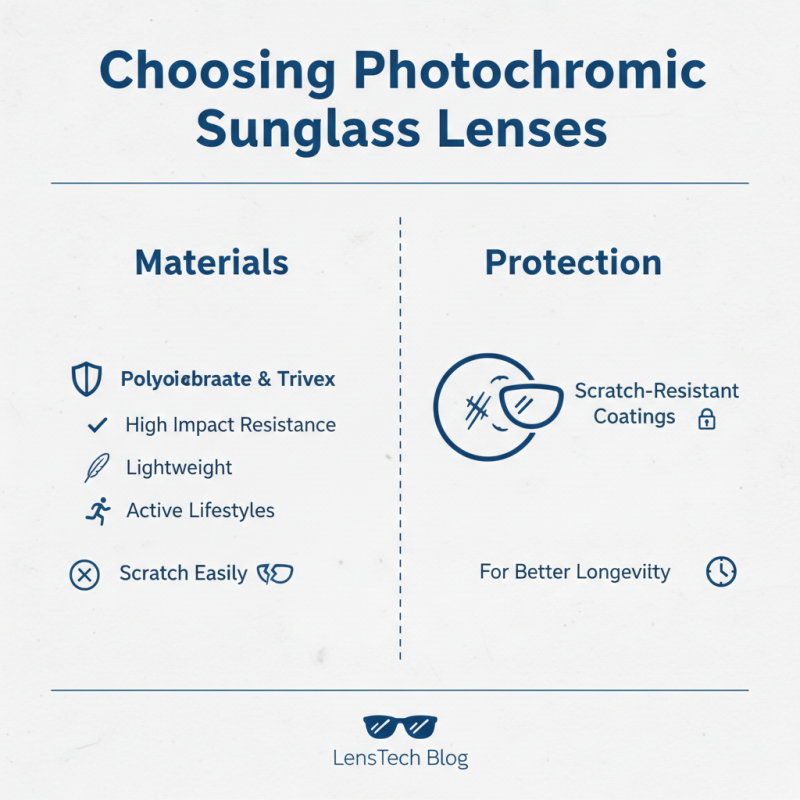
Material affects weight, durability, and scratch resistance. |
Polycarbonate is lightweight and impact-resistant. |
| Color Options |
Different colors can enhance depth perception and contrast. |
Choose based on your activities and lighting conditions. |
| Fit and Comfort |
Proper fit ensures they stay in place and are comfortable. |
Try on different styles to find the best fit. |
Comparing Photochromic Sunglasses Brands: Top Options on the Market
When comparing photochromic sunglasses brands, several key options stand out in today’s market. These sunglasses adapt to changing light conditions, providing enhanced comfort and protection. Look for lenses that darken quickly in bright light. Consider how well they transition back to clear indoors. Some brands excel in both areas, making them popular choices.
Tips for choosing the right pair include checking the UV protection level. Proper UV filtering is essential for eye safety. In addition, examine the lens material. Some materials offer better scratch resistance than others. Comfort matters, too. Remember, a snug fit helps prevent distractions while wearing them.
Don't overlook the style factor. While functionality is crucial, aesthetic appeal can’t be ignored. Many brands offer stylish frames that suit various face shapes. It's worth trying on multiple styles to see which ones suit you best. These details often influence the overall experience. Avoid settling for the first pair you find. Take your time and ensure you make a well-informed choice.
Tips for Proper Care and Maintenance of Photochromic Sunglasses
Proper care and maintenance of photochromic sunglasses are essential for their longevity. These lenses react to sunlight, darkening when exposed. However, neglect can lead to fading or damage.
To maintain their effectiveness, clean your sunglasses regularly with a microfiber cloth. Avoid using paper towels or clothing, as they can scratch the lenses. A mild soap solution works well for washing. Make sure to dry them with a soft, lint-free cloth.
Store your sunglasses in a protective case when not in use. Leaving them out can expose them to heat or accidental scratches. It’s also wise to avoid leaving them on your dashboard; extreme temperatures may warp the frame.
After outdoor activities, check for smudges and dirt. Minor scratches can sometimes be buffed out, but deep ones may require lens replacement. Reflect on how you handle your sunglasses—they deserve better treatment! Proper practices ensure you enjoy crystal-clear vision for years.
Factors to Consider When Choosing Photochromic Sunglasses
This chart illustrates the factors to consider when choosing photochromic sunglasses based on their importance level on a scale from 1 to 10. The highest priority is given to UV protection, followed by transition speed and lens material. Consider these aspects when selecting the perfect pair for your needs.