Top 5 Tips for Buying Semi-Finished Lens in Bulk?
In the competitive eyewear industry, purchasing Semi-Finished Lens in bulk requires careful consideration. According to Dr. Emily Johnson, a renowned optician and expert in optical manufacturing, "Quality counts when selecting Semi-Finished Lens. Every detail matters." This statement emphasizes the importance of choosing the right materials and vendors.
When buying in bulk, it's easy to overlook critical aspects such as supplier reliability and product quality. Taking shortcuts can lead to disappointing results. Think about the long-term impact of your choices. Unsuitable lenses can affect customer satisfaction and your brand's reputation.
Understanding the technology behind Semi-Finished Lens is vital. Each lens undergoes various treatments and processes. Don't assume that lower prices guarantee good quality. It might be tempting, but always prioritize excellence over cost. Remember, your customers deserve the best products available, and quality should always be a top concern.

Understanding the Basics of Semi-Finished Lenses and Their Uses
Semi-finished lenses are essential for optical manufacturing. They are partially completed lenses, requiring further processing. Understanding their characteristics helps in making informed purchasing decisions. The type of lens design, material options, and coatings are critical factors to consider. Different needs arise depending on prescription variations and usage contexts. This is where having a solid grasp of semi-finished lens types becomes vital.
When buying in bulk, knowing the lens's end purpose is important. For instance, are they for daily wear or specialized functions like sports? This clarity helps determine the right specifications. Ensure that the supplier provides detailed product descriptions. This includes refractive index, coatings, and material quality. Lack of transparency can lead to mismatches, resulting in waste and frustration.
While price is often a deciding factor, it shouldn't overshadow quality. Subpar lenses can compromise optical performance. A focus on durability and comfort ensures that the final product will meet consumer expectations. Sometimes, the cheapest option isn't the best. It’s worth investing time in evaluating multiple suppliers before committing. This approach increases reliability and long-term satisfaction.
Evaluating Quality and Specifications Before Purchase
When buying semi-finished lenses in bulk, evaluating quality and specifications is crucial. Start by examining the materials used. High-quality lenses are typically made from durable polymers or glass. Look for signs of clarity and absence of distortions. Scratches or imperfections can affect performance. It’s essential to ensure that the lenses meet specific optical standards.
Checking the specifications is equally important. Verify the lens thickness, refractive index, and coating types. Understanding these details can help you assess whether the lenses will fit your needs. A mismatch can lead to problems down the line. Keep in mind that not all suppliers provide comprehensive information. It’s essential to ask questions if anything appears unclear. Building trust with your supplier is vital.
Don’t overlook the importance of testing samples before committing to a bulk purchase. Sometimes, specifications look good on paper but don’t meet expectations in real-world applications. Be cautious and attentive during this process. These steps can save you from costly mistakes.
Comparing Prices from Different Suppliers for Bulk Orders
When purchasing semi-finished lenses in bulk, price comparison is critical. According to a recent industry report, buyers can save up to 20% by evaluating different suppliers. Various suppliers offer different pricing structures. Understanding these differences can lead to significant savings.
A detailed comparison of suppliers' pricing should involve considering minimum order quantities and bulk discounts. Some manufacturers may have lower base prices but charge extra for shipping. Transparency in pricing can help you avoid unexpected costs. Data shows that buyers often overlook hidden fees, which can inflate overall expenses.
Quality assurance is another factor to reflect on. Suppliers may provide competitive prices but might compromise material quality. Always request samples before committing to large orders. A valuable report indicates that 25% of buyers encountered issues due to inadequate quality checks. Prioritizing quality over price can prevent costly mistakes in the long run. Regularly review supplier performance to ensure they meet your expectations consistently.
Price Comparison of Semi-Finished Lenses from Various Suppliers
This bar chart illustrates the price comparison of semi-finished lenses from five different suppliers. Understanding these price variations can help buyers make informed purchasing decisions when buying in bulk.
Assessing Supplier Reliability and Customer Reviews
When assessing supplier reliability, customer reviews can provide valuable insights. Look for suppliers with a solid reputation in the market. Reviews often highlight strengths and weaknesses.
Analyze both positive and negative feedback to gauge overall reliability. Be cautious if the reviews seem overly positive. Genuine feedback often includes constructive criticism.
Consider these tips while evaluating suppliers. Reach out to industry professionals. They can share experiences with specific suppliers. Networking can reveal reliable sources you may not find online.
Additionally, verify that a supplier has valid certifications. This adds credibility to their business practices.
Don’t overlook transparency. Reliable suppliers are open about their processes. Confirm how they handle orders and manage bulk purchases. Evaluate their response times to inquiries.
Quick and clear communication is essential for a long-term partnership. Pay attention to any recurring issues noted in reviews. This reflection can steer your decision-making process effectively.
Planning for Logistics and Delivery of Bulk Lens Purchases
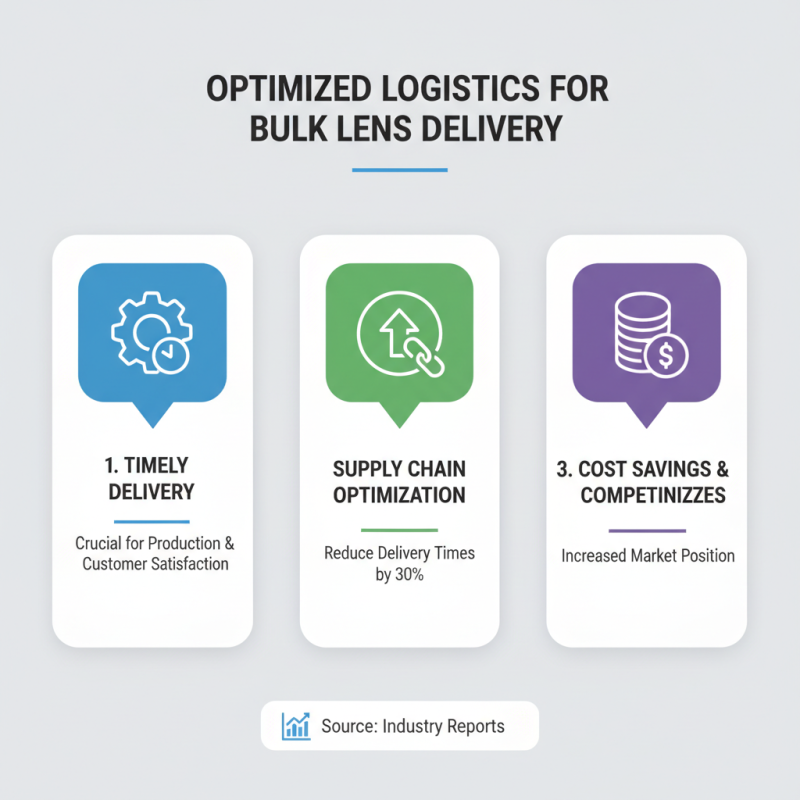
When purchasing semi-finished lenses in bulk, logistics and delivery planning are crucial. Ensuring timely delivery can significantly impact production schedules and customer satisfaction. According to industry reports, companies that optimize their supply chain processes can reduce delivery times by up to 30%. This efficiency not only saves costs but also enhances competitiveness in the market.
Effective logistics begin with forecasting demand accurately. Use historical data and trends to estimate how much product will be required. Monitor industry shifts, as changes in consumer preferences can disrupt plans. It's essential to maintain flexibility in inventory management. Additionally, collaborating with reliable logistics partners is vital. They should have experience handling optical products to ensure safe transportation.
Consider shipment methods carefully. Air freight is faster but costly, while sea freight is cheaper but takes longer. Balancing cost and time is critical. Don’t overlook packaging. It may seem trivial, but proper packaging prevents damage during transit. Research indicates that nearly 25% of products face issues due to inadequate packaging. Thus, investing in high-quality materials pays off in the long run.