What is Prescription Lenses and How Do They Work?
Prescription lenses are an essential element of modern eyewear, designed to correct various vision problems. Dr. Emily Carter, a renowned optometrist, states, "Prescription lenses transform lives by enhancing sight." This quote captures the impact these lenses have on daily activities.
In a world where clarity is crucial, many individuals rely on prescription lenses. These lenses are custom-made to address specific visual impairments. They can significantly improve activities like reading, driving, or using digital devices. However, many overlook the importance of proper lens fitting and care.
There are challenges within the prescription lenses industry that warrant reflection. Not everyone is aware of the differences between lens materials and coatings. Misunderstandings can lead to discomfort or eye strain. Patients often have questions about their prescriptions but may hesitate to seek answers. It's vital to promote awareness and education about these vital tools for sight improvement.

What Are Prescription Lenses?
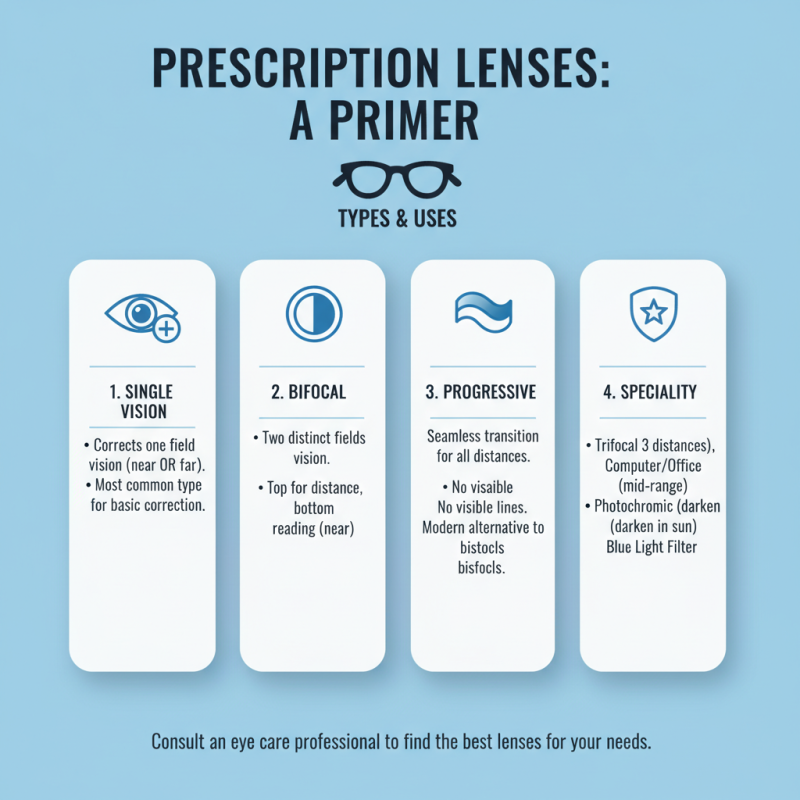
Prescription lenses are specially crafted eyewear tailored to the individual’s vision needs. They are designed to correct various visual impairments. Common issues include nearsightedness, farsightedness, and astigmatism. Each pair of lenses is made based on a specific prescription provided by an eye care professional. It includes details like sphere, cylinder, and axis measurements.
The materials used to create prescription lenses can vary. Options include plastic, polycarbonate, and high-index lenses. Each material has its own benefits. For example, polycarbonate lenses are lightweight and impact-resistant. They are often preferred for active lifestyles. The lens thickness can also differ based on the prescription, impacting aesthetic appeal and weight.
Wearing prescription lenses can sometimes feel strange. Adjusting to new lenses may take time. Some wearers report discomfort or distortion initially. It's essential to consult an eye care expert if problems persist. Tracking personal comfort and vision clarity is crucial for optimal eye health. Each lens experience is unique, with room for growth and adaptation.
What is Prescription Lenses and How Do They Work?
| Type of Lens |
Purpose |
Lens Material |
Common Uses |
| Single Vision |
Corrects one field of vision (distance or near) |
Plastic, Polycarbonate, High-index |
Daily activities, Reading, Driving |
| Bifocal |
Corrects vision for both near and distance |
Plastic, Glass |
Reading and distance tasks |
| Progressive |
Provides seamless transition between multiple prescription zones |
High-index, Polycarbonate |
Multifunctional use, Comfortable for all distances |
| Photochromic |
Adjusts to light conditions, darkening in sunlight |
Plastic, Polycarbonate |
Outdoor activities, Daily wear |
| Specialty Lenses |
Corrects specific vision problems |
Various materials |
Sports, Occupational needs |
How Prescription Lenses Are Made and Fitted
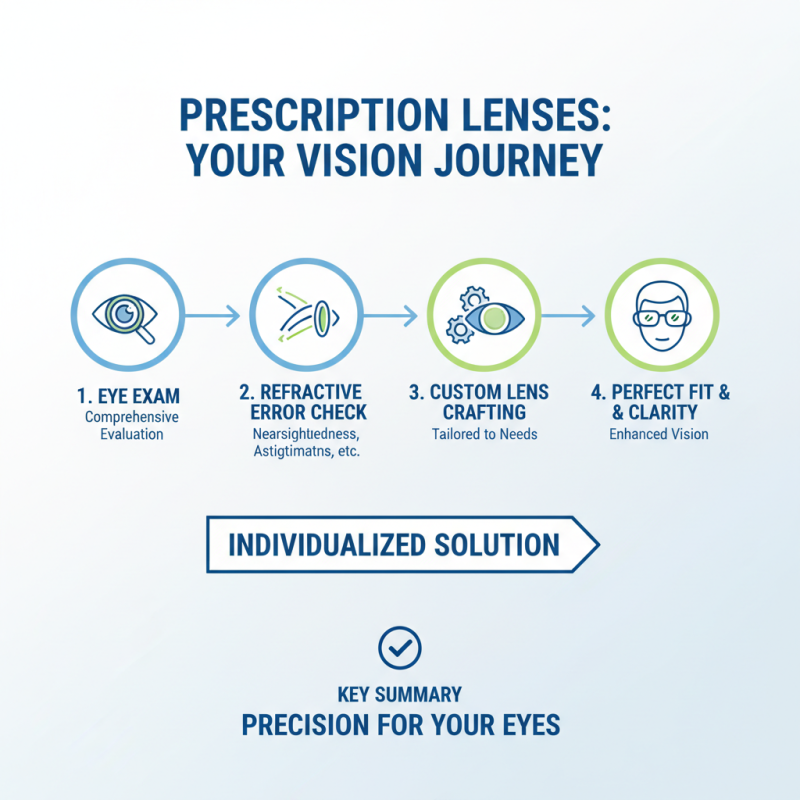
Prescription lenses are tailored to individual vision needs. The process of making and fitting these lenses is quite detailed. It begins with a comprehensive eye examination, where an eye care professional evaluates your vision. This includes checking for refractive errors, such as nearsightedness or astigmatism. The results are crucial for crafting the right lens.
Once the prescription is determined, the next step is lens manufacturing. Different materials can be used, such as plastic or high-index options. These materials affect thickness and weight. After selecting a suitable material, precise measurements are taken. This includes the distance between your pupils and the curvature of your frame. These details are essential for ensuring the lenses fit well and provide clear vision.
Fitting is as important as making the lenses. The frames must align with your eyes perfectly. Sometimes adjustments are needed to get the right fit. Slight misalignments can lead to discomfort or blurry vision. It’s a process that requires patience and attention to detail. Every individual's face shape is unique, and understanding these nuances can make a significant difference.
Benefits of Using Prescription Lenses
Prescription lenses are designed to correct vision problems. They offer significant benefits to those with refractive errors. These lenses can enhance clarity and make everyday tasks much easier. From reading to driving, the right lenses can improve your quality of life.
Using prescription lenses helps reduce eye strain. People who wear them often notice less fatigue after long hours of reading or using screens. Moreover, prescription lenses can help you see better in low-light conditions. This leads to safer night driving. It's surprising how much a clear view can impact daily activities.
Tips: Always consult with an eye care professional to ensure your prescription is up to date. Regular check-ups can prevent eye problems later. Additionally, consider lens coatings to reduce glare and increase durability. Taking care of your lenses is essential for maintaining clear vision. Opt for a proper cleaning method to keep them scratch-free.
While many benefit from prescription lenses, they are not a one-size-fits-all solution. Some may find adjustments challenging. It might take time to get used to wearing them. Be patient and give your eyes time to adapt.
Common Myths and Misconceptions About Prescription Lenses
Prescription lenses are often misunderstood. Many believe they can only correct vision. In reality, they also enhance visual comfort. According to the American Optometric Association, nearly 75% of adults need some form of vision correction. Yet, various myths persist.
One common misconception is that all prescription lenses are thick or heavy. Advances in lens technology have led to thinner, lighter options. Materials like polycarbonate or high-index lenses can reduce weight. Additionally, some think a stronger prescription means worse vision. It’s not true. A higher prescription may correct more severe vision issues effectively.
Tips: Always consult with an eye care professional to find the best lens type for your needs. Another key point is that lens coatings can be essential. Anti-reflective coatings improve clarity and reduce glare.
Many believe that once they get prescription lenses, they won't need to update them often. However, vision can change over time. Regular eye exams are crucial. The CDC states about 14% of American adults have uncorrected vision problems. Regular check-ups can catch issues early.
Understanding Prescription Lenses: A Statistical Overview
This chart illustrates the common reasons for prescription lens usage among different age groups. The data gives insight into how vision correction needs vary with age.