Why Choose Myopia Control Lenses for Effective Vision Management
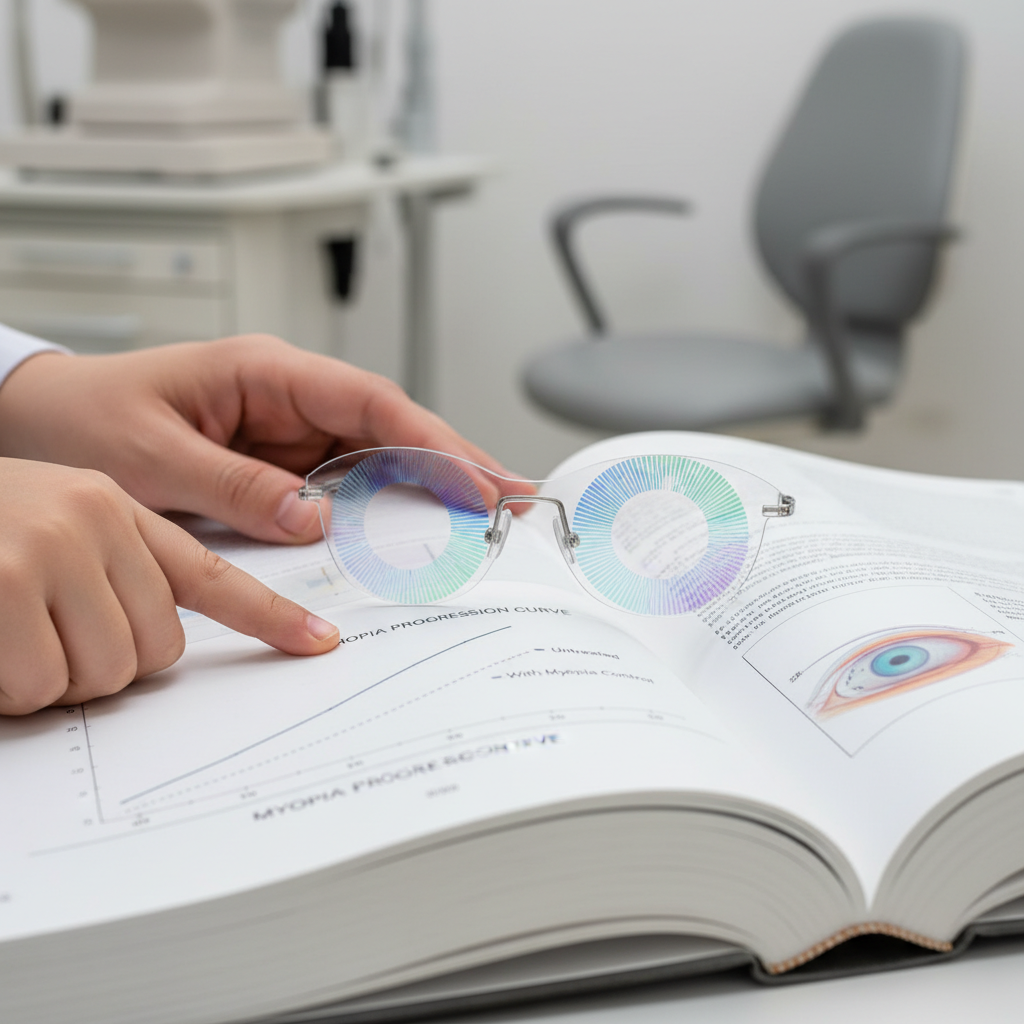
In recent years, the prevalence of myopia, or nearsightedness, has reached alarming rates globally, with the World Health Organization reporting that by 2050, over half of the world's population could be affected. This escalating trend highlights the urgent need for effective vision management solutions. Among various strategies, Myopia Control Lenses have emerged as a promising intervention, designed to slow the progression of myopia in children and adolescents. Research indicates that these specialized lenses can reduce myopia progression by up to 50%, making them a critical component in pediatric eye care.
The adoption of Myopia Control Lenses is increasingly supported by optometrists and eye health professionals, who recognize their role in protecting the visual health of younger populations. Data from the American Academy of Optometry underscores that early intervention with such lenses can significantly mitigate the long-term risks associated with high myopia, such as retinal detachment and glaucoma. As the demand for effective vision management solutions grows, understanding the benefits and implications of Myopia Control Lenses becomes essential for parents and caregivers looking to safeguard their children's eyesight.

Understanding Myopia: Causes and Consequences of Short-Sightedness
Myopia, or short-sightedness, is a common visual impairment that affects a significant portion of the global population. The primary causes of myopia are genetic predispositions combined with environmental factors. Long periods of near work, such as reading or using digital devices, can contribute to the progression of this refractive error. As children engage more with screens and less with outdoor activities, the incidence of myopia continues to rise, leading to concerns about its long-term effects on vision.
The consequences of untreated myopia extend beyond just visual discomfort. Individuals with higher degrees of myopia are at increased risk for serious eye complications, such as retinal detachment, glaucoma, and cataracts. This underscores the importance of effective management strategies, like myopia control lenses. These specially designed lenses can help slow the progression of myopia in children and adolescents, reducing the risk of severe vision problems later in life. By addressing the underlying issues of myopia, we not only enhance the quality of life for those affected but also contribute to healthier vision outcomes for future generations.
Why Choose Myopia Control Lenses for Effective Vision Management
| Dimension |
Description |
Impact on Myopia |
Control Method |
| Age |
Children and adolescents are more susceptible to myopia. |
Higher risk of developing severe nearsightedness. |
Regular eye exams and early intervention. |
| Genetics |
Family history of myopia increases likelihood. |
Increases severity of condition in offspring. |
Myopia control lenses for early detection. |
| Environmental Factors |
Limited outdoor activity and excessive screen time. |
Contributes to the progression of myopia. |
Encouragement of outdoor activities. |
| Visual Demands |
Increased use of digital devices for prolonged periods. |
Causes eye strain and may worsen myopia. |
Myopia control lenses designed for screen usage. |
| Lifestyle Choices |
Diet, sleep patterns, and overall health can influence eye health. |
Poor choices heighten the risk of myopia. |
Holistic approaches including nutrition and exercise. |
Different Types of Myopia Control Lenses: Choosing the Right Fit
When it comes to myopia control, selecting the right type of lenses is crucial for effective vision management. There are several options available, including multifocal contact lenses, which have gained popularity due to their ability to address refractive errors while managing myopia progression. These lenses come in different designs that cater to varying needs, making it essential to choose the right fit for your lifestyle.
One of the key considerations in fitting multifocal contact lenses is good centration. Proper alignment on the eye helps ensure that you receive the maximum benefit from the multifocal design. To optimize your experience, it's important to consult with an eye care professional who can guide you through the fitting process. Moreover, understanding and following the correct usage guidelines for your contact lenses can enhance your comfort and vision clarity.
**Tips for Choosing Myopia Control Lenses:**
1. Discuss your lifestyle and vision requirements with your eye care provider to find the most suitable lens type.
2. Ensure regular check-ups to monitor your vision and adjust prescriptions as needed.
3. Be mindful of hygiene practices when handling contact lenses to prevent infections and maintain eye health.
Myopia Control Lenses - Effectiveness by Type
Benefits of Using Myopia Control Lenses for Children and Adults
Myopia, or nearsightedness, is a growing global concern, particularly among children. According to the World Health Organization, myopia is expected to affect nearly 50% of the world's population by 2050. Myopia control lenses have emerged as an effective tool for managing this condition in both children and adults. These specially designed lenses not only correct vision but also help slow the progression of myopia. Research published in the journal "Ophthalmology" indicates that children who wear myopia control lenses can experience a reduction in myopia progression by up to 50% compared to those wearing standard lenses.
The benefits of myopia control lenses extend beyond mere vision correction. For children, wearing these lenses can lead to improved outdoor activities, enhancing their quality of life and promoting healthier visual habits. Adults, particularly those who engage in prolonged screen time, can also find relief and reduce their risk of developing higher degrees of myopia. A study from the American Academy of Ophthalmology points out that adults using myopia control lenses report significantly less eye strain and fatigue. Therefore, investing in myopia control lenses is not just about improving vision; it is a proactive step towards better overall visual health for individuals of all ages.
Tips for Maintaining and Caring for Your Myopia Control Lenses
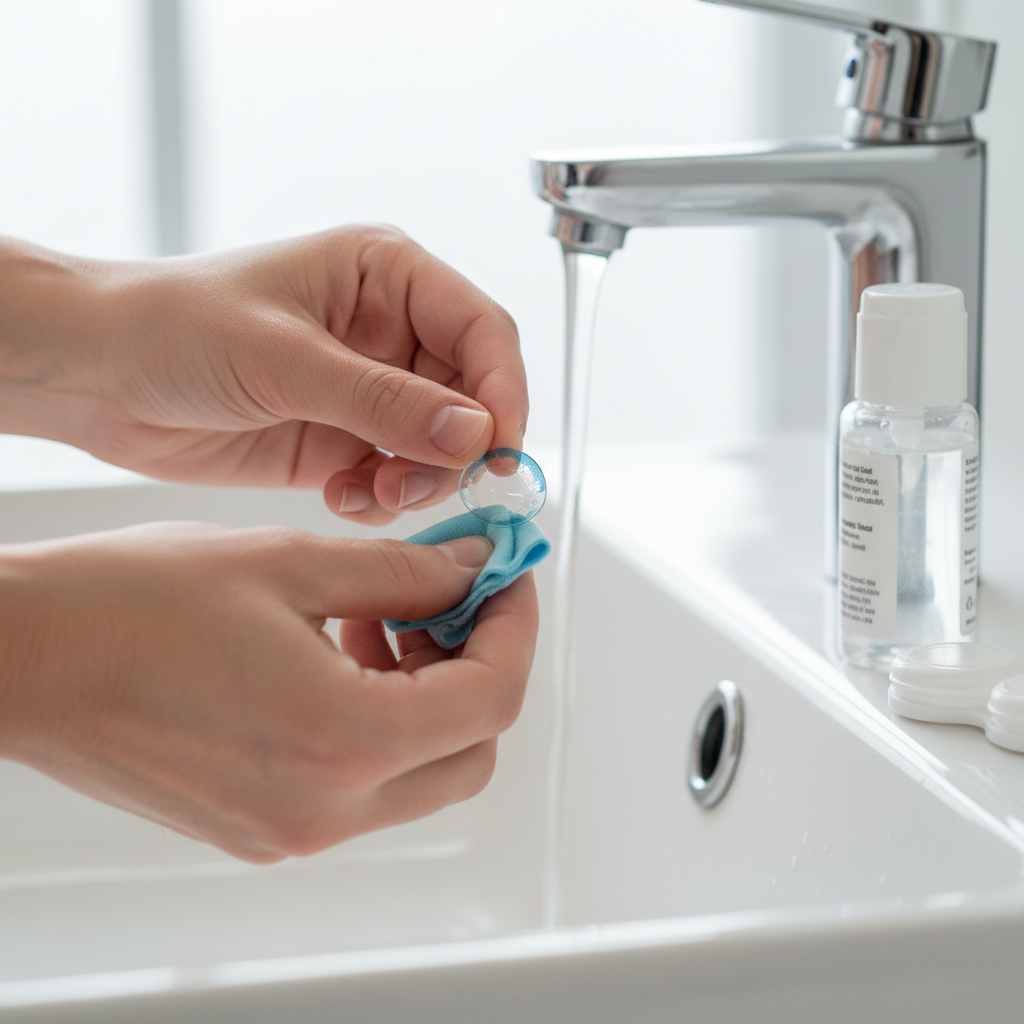
Maintaining and caring for myopia control lenses is essential for maximizing their effectiveness and ensuring clear vision. First and foremost, it is important to clean your lenses daily. Use a gentle lens cleaning solution and a microfiber cloth to remove dirt, dust, and smudges. Avoid using household cleaners or rough fabrics, as these can scratch the lens surface. Proper cleaning not only enhances clarity but also prolongs the lifespan of the lenses.
In addition to regular cleaning, proper storage of your myopia control lenses is crucial. When not in use, store them in a clean, dry case away from direct sunlight and extreme temperatures. Always ensure that the case is properly sanitized to prevent bacterial growth. Moreover, follow the prescribed schedule for lens replacement to maintain optimal vision and comfort. Regular check-ups with your eye care professional will help monitor your vision changes and ensure that your myopia control lenses are still suitable for your needs. Taking these steps will enhance the effectiveness of your lenses and contribute to better overall eye health.