2026 How to Choose the Best Optical Lenses for Your Needs?
Choosing the right optical lenses can significantly impact your daily life. Whether for vision correction or enhancing visual clarity, optical lenses play a vital role. However, not all lenses are created equal. The materials, coatings, and designs vary widely. Each option offers unique benefits, making the selection process challenging.
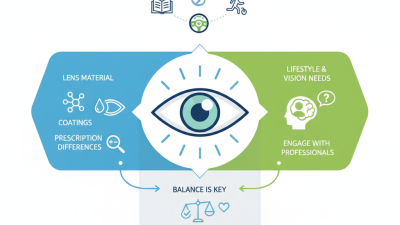
When considering optical lenses, it’s important to understand your specific needs. Factors such as lifestyle, occupation, and age influence the type of lenses that may work best for you. For example, those who spend long hours on screens might benefit from blue light blocking lenses. On the other hand, active individuals may require more durable options.
Keep in mind the importance of consulting with a professional. An eye care expert can provide tailored advice. However, it’s also crucial to reflect on your experiences. Have your past choices worked for you? Are there any discomforts you've ignored? Taking the time to evaluate your needs ensures a more informed decision, ultimately leading to better vision.
What are Optical Lenses and Their Importance in Vision Correction?
Optical lenses play a critical role in vision correction. They are designed to bend light rays in specific ways to improve focus. Common types include single vision, bifocal, and progressive lenses. Each type addresses different vision needs, making it essential to choose the right one.
Selecting the appropriate optical lens can be daunting. Consider consulting an eye care professional for tailored advice. Regular eye exams are crucial to understanding your vision requirements. They help determine the best lens type based on your lifestyle and eye condition.
Tips: Look for lenses that block harmful blue light. This can reduce eye strain from screens. Moreover, consider anti-reflective coating, which enhances clarity in various lighting. Don't forget to factor in lens material; lightweight options can provide comfort for daily wear.
2026: How to Choose the Best Optical Lenses for Your Needs?
This chart illustrates the most common types of optical lenses and their effectiveness in vision correction based on user feedback. It can help you understand which lens types are preferred by users based on their needs.
Understanding Different Types of Optical Lenses: Single Vision, Bifocal, and Progressive
Choosing the right optical lenses can significantly enhance your visual experience. Understanding the different types of lenses available is crucial.
Single vision lenses are ideal for those who need correction for one field of vision, either distance or near. They offer clarity and are often the simplest choice.
Bifocal lenses represent a common solution for users with presbyopia. They provide two distinct zones for viewing, allowing for near and distant vision. However, they come with a visible line that some may find unsightly.
Progressive lenses have gained popularity due to their seamless transition between different vision zones. These lenses adapt smoothly from distance to near vision without the abrupt line found in bifocals.
However, adjusting to them can be challenging for some wearers. It may take time to find the right fit and comfort level. Some users experience distortion at the periphery, which can lead to frustration.
When selecting lenses, personal preferences and lifestyle play a significant role. Consulting with an optical professional can provide insights tailored to individual needs. It's important to weigh the pros and cons of each type.
A thoughtful decision can lead to a more satisfying visual experience. Reflecting on your specific requirements will help ensure you choose lenses that truly meet your needs.
Key Factors to Consider When Choosing Optical Lenses: Prescription and Lifestyle
Choosing the right optical lenses involves considering your prescription and lifestyle. Prescription accuracy is fundamental. According to the American Optometric Association, nearly 75% of adults use vision correction. Ensuring your prescription is up-to-date can greatly enhance your visual experience. A comprehensive eye exam is crucial to determine any changes in vision.
Lifestyle factors also play a significant role. For instance, if you spend long hours on digital devices, consider lenses designed to reduce eye strain. Reports indicate that 58% of adults experience digital eye strain. Blue light blocking lenses can be beneficial in this case. Additionally, if you engage in outdoor activities, lenses with UV protection are essential for your eye health.
Many consumers overlook these details. It's essential to reflect on how you use your glasses daily. Consider your environment and routine when selecting lenses. Overlooking these factors can lead to discomfort or inadequate vision support. Tailoring your lens choice to your lifestyle ensures both comfort and clarity.
Material Choices for Optical Lenses: Polycarbonate, High-Index, and Glass Explained
Choosing the right optical lens is crucial for comfort and vision quality. Three popular materials stand out:
polycarbonate,
high-index, and
glass. Each has its strengths and weaknesses.
Polycarbonate is lightweight. It’s impact-resistant, making it an excellent choice for
active lifestyles. However, some users report it scratching easily. This can be an issue for those who often wear their glasses
in rugged environments.
High-index lenses are thinner and lighter than standard plastic lenses. They are ideal for strong prescriptions. People often appreciate how they reduce distortion at the edges. Yet, they can be more expensive and may require special coatings to enhance durability. Consider whether the price aligns with your needs.
Glass lenses offer excellent clarity. They are more scratch-resistant than other materials. However, they are heavier and can shatter upon impact. Many users love the classic feel but must balance this with safety concerns. Each lens material provides unique benefits and drawbacks.
Evaluating your lifestyle and preferences can guide you to the best choice.
The Role of Lens Coatings in Enhancing Visual Comfort and Durability
When choosing optical lenses, the role of lens coatings can significantly impact visual comfort and durability. According to a 2022 report by the American Optometric Association, 70% of lens users experienced less eye strain with anti-reflective coatings. These coatings reduce glare, allowing clearer vision in bright conditions. This is crucial for those who spend long hours in front of screens.
Lens coatings also enhance scratch resistance. A study from Vision Council noted that lenses with a high-quality scratch-resistant coating can last over twice as long as untreated lenses. Many users find themselves frustrated when scratches appear on their lenses. Investing in a protective coating can help prevent this common issue.
Moreover, UV protection is an essential aspect of lens coatings. Research shows that prolonged exposure to UV rays can lead to cataracts. Coatings designed to block UV light offer an added layer of defense, especially important for outdoor activities. Some people overlook this feature, potentially compromising their eye health.
2026 How to Choose the Best Optical Lenses for Your Needs? - The Role of Lens Coatings in Enhancing Visual Comfort and Durability
| Lens Type |
Coating Type |
Benefits |
Durability |
Price Range |
| Single Vision |
Anti-Reflective |
Reduces glare, improved clarity |
Moderate |
$75 - $150 |
| Bifocal |
Scratch Resistant |
Increases longevity, protection from scratches |
High |
$100 - $200 |
| Progressive |
Photochromic |
Adjusts to lighting changes, comfort for indoor and outdoor |
Very High |
$150 - $350 |
| Computer Lenses |
Blue Light Filter |
Reduces eye strain, enhances visual comfort |
Medium |
$100 - $200 |
| Sports Lenses |
Polarized |
Reduces reflections, enhances contrast |
High |
$150 - $300 |