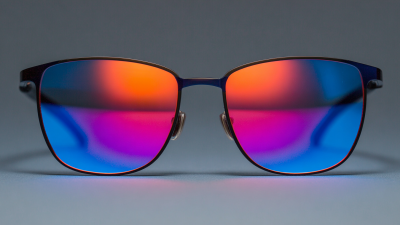
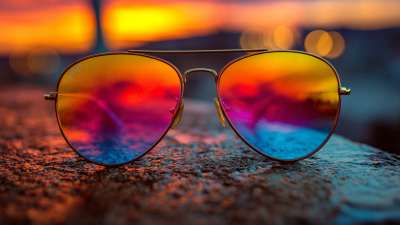
How to Choose the Best Gradient Lenses?
Choosing the right Gradient Lenses involves more than selecting a fashionable fade. The tint should match your daily light conditions, visual habits, and frame design. A darker upper section can reduce overhead glare, while a clearer lower section supports reading menus, dashboards, or phone screens. However, darkness does not equal stronger ultraviolet protection.
The Vision Council’s consumer research consistently identifies UV protection, comfort, and appearance as important eyewear considerations. Grand View Research also reports continued growth in the global eyewear market, driven partly by fashion, outdoor activity, and functional lens innovation. These figures show demand, but they cannot determine which lens suits your eyes. A market report describes buyers. It does not examine your vision.
Ophthalmologist Dr. Ivan Schwab offers a useful practical reminder: “The best sunglasses are the ones you will wear.” That principle matters when comparing Gradient Lenses. Look for certified UVA and UVB protection, accurate color perception, smooth tonal transition, and a coating that resists everyday smudges. Drivers may prefer a moderate gradient with polarized technology, while photographers may need more neutral color balance. Prescription users should also confirm optical accuracy with a qualified eye-care professional.
This method is not perfect. Personal comfort can change between bright beaches, shaded streets, and cloudy afternoons. Try the lenses outdoors before deciding, when possible. Check the view through a shop window. Notice reflections, eye strain, and the lower field of vision. The most attractive gradient may still be the wrong choice. Reliable decisions combine professional advice, verified specifications, and honest real-world testing.
Sources: The Vision Council, Consumer Insights Report; Grand View Research, Eyewear Market Report; American Academy of Ophthalmology guidance on sunglasses and UV protection.
Understanding How Gradient Lenses Work
How to Choose the Best Gradient Lenses?
Understanding How Gradient Lenses Work
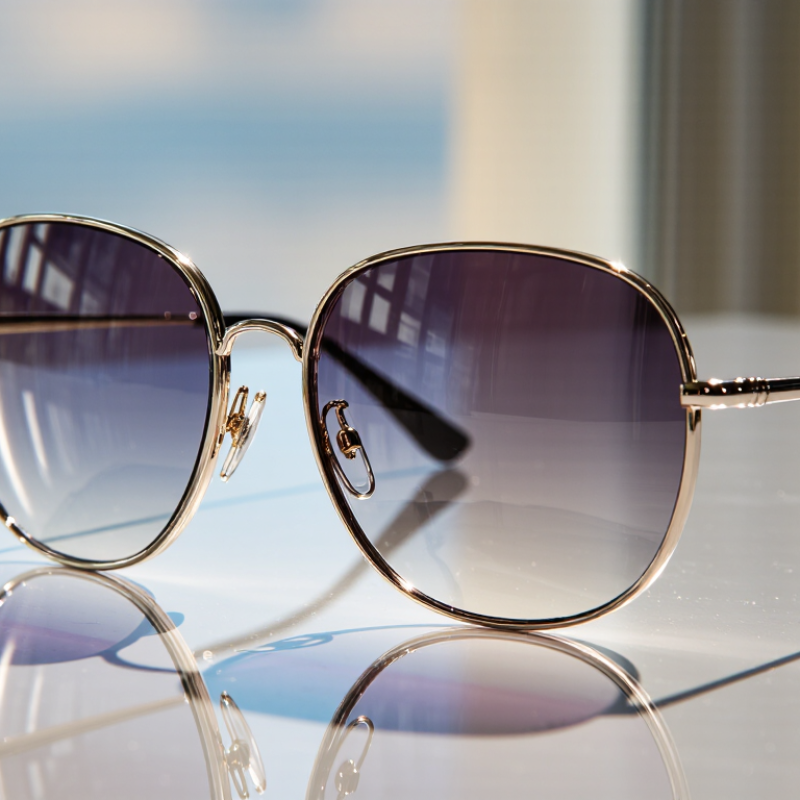
Gradient lenses use different tint levels across one lens. The upper section is darker, while the lower section remains lighter. This design reduces bright overhead light without making reading areas too dim. The tint gradually changes as your eyes move downward. It is not a simple dark-to-clear effect.
In optical practice, the upper tint is often useful outdoors. It can soften sunlight reflected from buildings, roads, and water. The clearer lower area helps with phones, menus, and dashboard displays. However, gradient lenses do not automatically provide complete ultraviolet protection. Check the lens specifications carefully. Tint darkness and UV protection are separate features. This detail is easy to overlook.
Choosing the right gradient depends on your daily environment. A stronger upper tint may suit long outdoor commutes. A softer gradient can feel more comfortable for mixed indoor and outdoor use. Prescription strength, frame size, and pupil position also affect the result. Larger frames may show the tint transition more clearly. The change can feel distracting at first. Give your eyes time to adjust, but do not ignore persistent discomfort. An eye-care professional can check the fitting and prescription. The “best” gradient is not always the darkest one. It should match your light exposure, visual tasks, and tolerance for changing contrast. Even then, personal preference still matters.
Matching Lens Tints to Your Light and Vision Needs
How to Choose the Best Gradient Lenses?
Matching Lens Tints to Your Light and Vision Needs
Gradient lenses are darker at the top and lighter near the bottom.
This design suits changing light conditions. The upper tint reduces glare from sunlight and bright skies. The lighter lower area helps you read a phone or dashboard. They can work well for walking, driving, and outdoor cafés.
Choose gray when you want balanced color and general brightness control.
Brown or amber can improve contrast on cloudy days. However, these shades may change how colors appear. Yellow lenses can brighten dim scenes, but they are not ideal for strong midday sun. For sensitive eyes, a darker tint may feel comfortable, yet it can make indoor transitions harder.
Your vision needs matter more than fashion.
An optician can check whether the tint works with your prescription. Ask for full UVA and UVB protection, and verify the lens information. Polarization may reduce reflected glare from water, glass, or wet roads. It does not replace proper eye protection.
Test the lenses outside before choosing them.
Look at white surfaces, road signs, and nearby text. Notice whether colors seem distorted. A gradient can feel perfect in a shop but too light under open sunlight. That small mistake is easy to make. Lens choice often needs adjustment after real use.
Choosing the Right Gradient Strength and Coverage
How to Choose the Best Gradient Lenses?
Choosing gradient lenses starts with matching strength to your daily light exposure. The darkest area usually sits above the eyes, while the lower section remains lighter for reading or dashboard viewing. A strong top gradient suits driving, hiking, and open beaches. A softer gradient feels more natural in cities or shaded environments. The wrong coverage can create glare below the frame, especially when sunlight reflects from roads or water.
The World Health Organization’s World Report on Vision states that at least 2.2 billion people have near or distance vision impairment. That figure reinforces the need for accurate prescriptions, not just attractive tint. Ask an optician to check your prescription, pupil position, frame fit, and intended use. Large frames need more consistent gradient coverage. Small frames may feel too dark with the same tint strength. It sounds obvious, but people often choose by color alone.
Tips: Test lenses outdoors, not only under showroom lights. Look from bright sky to a phone screen. If your eyes squint, the upper gradient may be too weak. If reading feels dull, the lower area may be too dark. The Vision Council’s consumer research also highlights comfort as a major reason people choose sunglasses. Still, comfort is subjective. I would not treat one percentage or chart as a perfect fitting rule. Weather, skin sensitivity, and personal habits can change the result.
How to Choose the Best Gradient Lenses? - Choosing the Right Gradient Strength and Coverage
| Gradient Strength |
Approximate Light Reduction at the Top |
Typical Coverage |
Best-Suited Activities |
Selection Notes |
| Light gradient |
Approximately 15%–30% |
The tint is concentrated mainly in the upper section, with a very light lower section. |
Indoor-to-outdoor use, fashion eyewear, overcast conditions, and short periods in moderate daylight. |
Choose this level when clear lower vision and a subtle appearance are more important than maximum glare reduction. |
| Medium gradient |
Approximately 30%–50% |
A moderate tint covers the upper half to two-thirds, gradually fading toward the bottom. |
Everyday driving, commuting, walking, outdoor cafés, and mixed indoor–outdoor environments. |
This is a practical balance between sun protection above eye level and a brighter view through the lower portion. |
| Dark gradient |
Approximately 50%–75% |
A dark tint extends across most of the upper lens and transitions to a lighter lower section. |
Bright outdoor conditions, extended driving, sightseeing, and open areas with strong overhead light. |
Use a stronger gradient when overhead glare is a major concern, but confirm that the lower section remains comfortable for reading or dashboard viewing. |
| Reverse gradient |
Darker at the bottom and lighter toward the top |
The lower portion receives the greatest tint density, while the upper portion is lighter. |
Specific style preferences or situations where reflected light from the ground is especially bothersome. |
This design is less conventional for general driving because the upper lens provides less protection from overhead sunlight. |
| Coverage Pattern |
How It Works |
Advantages |
Potential Limitation |
Recommended Choice |
| Upper-third coverage |
The darkest tint is limited to the upper third and fades quickly downward. |
Maintains a bright lower field of view and creates a subtle look. |
Provides less protection when the sun is low or when glare enters from the front. |
Light-sensitive users who mainly need mild overhead shading. |
| Upper-half coverage |
The tint transitions gradually through approximately the upper half of the lens. |
Offers a balanced combination of glare control and clear lower vision. |
The transition may be noticeable if the lens is viewed from certain angles. |
Most everyday wearers, especially those moving regularly between indoor and outdoor settings. |
| Upper two-thirds coverage |
A darker tint remains across most of the lens before fading near the bottom. |
Improves comfort in bright, open environments and during prolonged outdoor exposure. |
May make close work, instrument viewing, or dim conditions less comfortable if the lower area is too dark. |
Extended outdoor use when glare reduction is more important than a very bright lower field. |
| Full-lens transition |
The tint changes progressively from dark at one edge to light at the other, with no clear boundary. |
Creates a smooth appearance and allows the wearer to select a viewing zone by changing head position. |
The viewing experience can vary noticeably with head angle and frame position. |
Wearers who prefer a continuous fade and understand that tint density changes across the entire lens. |
Note: Gradient tint percentages are approximate visual-design ranges rather than standardized optical classifications. Gradient lenses are not a substitute for certified UV protection; confirm that the finished lenses provide 100% UVA and UVB protection. For driving, select a tint that does not impair visibility in tunnels, low light, or changing weather conditions.
Comparing Lens Materials, Coatings, and Frame Styles
How to Choose the Best Gradient Lenses?
Gradient lenses darken at the top and fade toward the bottom. This design suits drivers, readers, and outdoor workers. The darker upper zone reduces overhead glare, while the lighter lower zone keeps dashboards and menus readable. In practice, the gradient should match your posture, not just your face shape. A steep fade can feel distracting when you look down.
Lens material changes weight, clarity, and safety. Standard plastic often provides clear vision at a reasonable cost. Polycarbonate offers strong impact resistance and lighter wear, while Trivex can provide excellent optical performance with similar protection. High-index materials reduce thickness for stronger prescriptions, but they may create more visible reflections. The World Health Organization reports that at least 2.2 billion people have near or distance vision impairment. Precise prescription measurements matter.
Coatings deserve equal attention. Anti-reflective treatment can reduce distracting reflections from screens and night traffic. UV protection is essential, even when the lenses look dark. Darkness alone does not prove UV protection. The Vision Council’s Consumer Insights research reports that about three in four U.S. adults use some form of vision correction, so fitting quality affects everyday comfort at scale. Frame style also matters: larger frames may improve gradient coverage, but oversized shapes can add weight and slip during movement. Narrow frames look neat. They may limit the useful tinted area. A qualified optician should check centration, bridge fit, and the wearer’s real viewing habits before final selection.
Checking Comfort, Protection, and Everyday Usability
Choosing gradient lenses should begin with comfort, not appearance. The darker upper section can reduce overhead glare, while the lighter lower section keeps dashboards, phones, and shop interiors readable. In practice, this balance feels useful during walking or driving. Still, a gradient is not automatically safer. Lens darkness does not prove ultraviolet protection. Look for verified UV400 or 100% UVA and UVB protection, supported by test documentation.
The World Health Organization estimates that ultraviolet exposure may contribute to up to 20% of cataract cases worldwide. That figure makes proper protection more than a style preference. Check whether the lenses meet a recognized standard, such as ISO 12312-1 or ANSI Z80.3. These standards address optical quality, impact resistance, and solar protection. Ask for the actual specification sheet when possible. Packaging alone can be vague.
Comfort also depends on fit. Frames should sit evenly, avoid cheek pressure, and stay stable when you look down. A badly positioned gradient can place the darkest area above your normal sightline. That becomes tiring. For frequent driving, check glare control and visible-light transmission, especially at dusk. Very dark lenses may reduce visual detail. The Vision Council’s consumer research repeatedly identifies comfort and daily usefulness as major eyewear purchase factors, but personal testing still matters. I once judged lenses by sharpness indoors. That was incomplete. Walk outside, read a screen, and check a shaded room before deciding.