What is hexagonal wire mesh and how is it used?
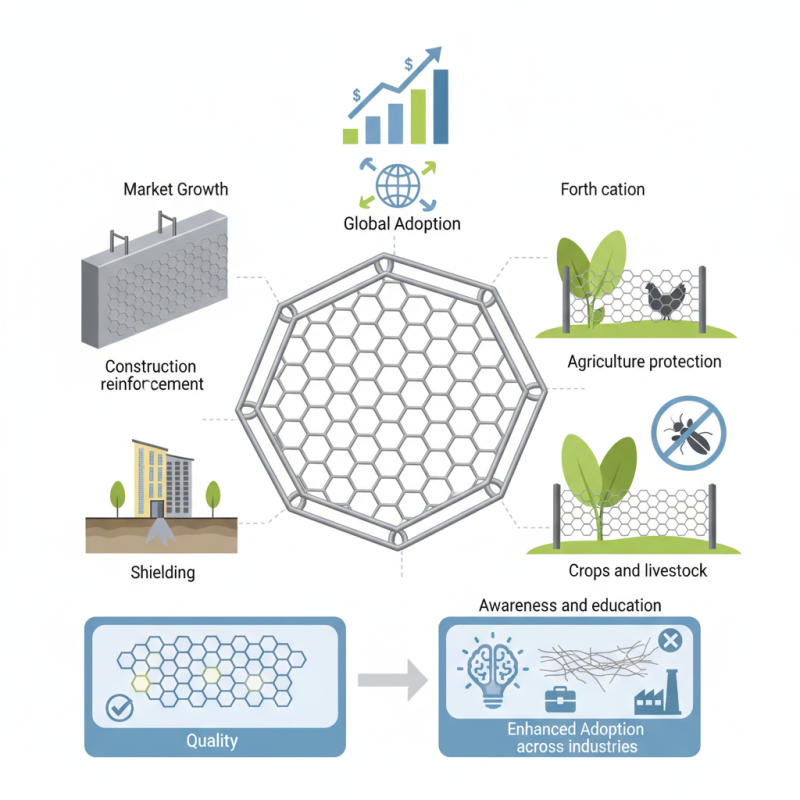
hexagonal wire mesh is a versatile material used in various industries. Composed of hexagonal-shaped wires, it provides strength and durability. The global hexagonal wire mesh market has been growing, estimated to reach $1.2 billion by 2025, according to industry reports. This mesh finds applications in construction, fencing, and agriculture.
In construction, hexagonal wire mesh is utilized for reinforcement and shielding. It supports concrete structures effectively. In agriculture, it protects crops and livestock from pests. Surprisingly, not all users are aware of its benefits, leading to underutilization in some regions.
Despite its advantages, challenges exist. Mesh quality can vary, impacting longevity. Additionally, some applications may not require hexagonal designs, prompting reevaluation. Awareness and education on hexagonal wire mesh's utility can enhance its adoption and effectiveness across industries.
Definition and Composition of Hexagonal Wire Mesh
Hexagonal wire mesh is a type of fencing composed of hexagonally woven wire. This unique shape provides strength and stability while maintaining flexibility. Typically made from galvanized steel, it resists rust and corrosion. The mesh is available in various sizes, making it versatile for different uses.
When it comes to applications, hexagonal wire mesh is common in agricultural settings. Farmers use it to create enclosures for animals or protect their gardens from pests. In construction, it serves as reinforcement for concrete, adding structural integrity to buildings and walls. The mesh can also be used for decorative purposes in landscape design.
Tip: Always choose a mesh size that fits your specific needs. Consider the animals or plants you are trying to protect. You want to ensure it is neither too loose nor too tight.
Occasionally, this material can cause issues if improperly installed. Ensure secure anchoring to the ground. Gaps in the mesh may lead to unwanted access or escaping. Regular maintenance is necessary to avoid rust and damage over time. When neglected, hexagonal wire mesh loses its effectiveness.
Tip: Inspect your mesh regularly, especially after harsh weather. A small tear can become a big problem if not addressed swiftly.
Common Applications of Hexagonal Wire Mesh in Construction
Hexagonal wire mesh is a versatile material widely used in the construction industry. Its unique shape provides excellent strength and flexibility. One of the common applications is in retaining walls. These walls prevent soil erosion and manage water runoff. According to a report from the International Association for Engineering Geology, retaining structures using hexagonal wire mesh can reduce erosion by up to 40%. This is crucial for maintaining stability in hilly landscapes.
Another pivotal application is in fencing and animal enclosures. Hexagonal wire mesh ensures safety while providing visibility. It's often used in farms and parks. The mesh’s strength can withstand animal pressure without bending. However, some users report that mesh quality varies. Lower-grade materials can rust or break easily, requiring regular maintenance. In a study by the National Association of Fencing Contractors, it was found that 30% of low-cost installations fail within three years. Hence, choosing the right quality is vital for long-term efficacy.
Additionally, hexagonal mesh can aid in decorative construction. Remnants of old mesh are sometimes creatively repurposed into art pieces. This innovative use highlights a trend in sustainability. However, precision in repurposing remains a challenge. Poorly crafted pieces might not endure weather conditions. Designers must reflect on their approaches to ensure durability.
Advantages of Using Hexagonal Wire Mesh in Various Industries
Hexagonal wire mesh is a versatile material widely used across various industries. Its unique hexagonal shape offers several advantages. This design provides strength and flexibility. It is often used in fencing, netting, and containment applications. Due to its durable nature, hexagonal wire mesh withstands tension and weather elements, making it ideal for outdoor uses.
In agriculture, it protects crops from pests. Farmers appreciate its ability to allow air and water to pass through while keeping unwanted animals out. In construction, it supports structural integrity. Builders use it as a reinforcing material in concrete projects. Hexagonal wire mesh also plays a role in road construction and landscaping. However, some may overlook the importance of proper installation. Misalignment can lead to decreased effectiveness.
Environmental concerns also arise with its production and disposal. Recycling options are often limited. This raises questions about sustainability practices within industries that heavily utilize this material. As industries continue to grow, the focus on innovative and eco-friendly solutions becomes more crucial. Understanding these challenges helps in improving the use of hexagonal wire mesh in a responsible manner.
Installation Techniques and Best Practices for Hexagonal Wire Mesh
Hexagonal wire mesh is a versatile material often used for fencing, landscaping, and industrial applications. When installing hexagonal wire mesh, the right techniques can make a significant difference in durability and effectiveness. Start by selecting an appropriate site. Clear away any debris or vegetation to ensure a level installation surface. Measure the area carefully, ensuring the mesh fits properly within the required dimensions.
One common technique involves using wooden posts for support. Install these at regular intervals. Secure the mesh tightly to avoid sagging. It’s crucial to use quality fasteners that resist rust. Improperly secured mesh may lead to weakness over time. Additionally, some may forget to consider tension during installation. This can affect the integrity of the mesh, leading to potential collapses.
A big challenge is ensuring that the mesh remains taut. Some installers might overlook checking the alignment frequently. This can result in uneven surfaces or gaps. Inspecting your work as you go can save time and effort later. Remember, the installation process can be labor-intensive. Rushing through it may lead to mistakes that are hard to fix. Patience is vital for achieving a solid installation.
What is hexagonal wire mesh and how is it used? - Installation Techniques and Best Practices for Hexagonal Wire Mesh
| Dimension | Material Type | Common Applications | Installation Techniques | Maintenance Tips |
| 1 inch x 1 inch | Galvanized Steel | Fencing, Poultry Enclosures | Tensioning, Stapling | Regular inspections for corrosion |
| 2 inch x 2 inch | PVC Coated Steel | Garden Walls, Decorative Structures | Welding, Clip Attachment | Clean the surface periodically |
| 3 inch x 3 inch | Stainless Steel | Heavy Duty Fencing, Land Stabilization | Mesh Unrolling, Stake Installation | Check for any loose sections |
| 4 inch x 4 inch | Plastic Coated Wire | Animal Barriers, Sand Erosion Control | Ground Anchors, Zip Ties | Inspect joints and connections |
Maintenance and Longevity of Hexagonal Wire Mesh Structures
Hexagonal wire mesh is a versatile material used in various applications, from reinforcing structures to animal enclosures. Its longevity greatly depends on maintenance practices. Regular inspections of the mesh can help identify wear and tear early. Reports suggest that routine checks can increase lifespan by up to 30%. Ensuring proper tension and avoiding overloading are essential factors for durability.
Corrosion is a common issue for wire mesh in outdoor environments. Studies show that galvanized mesh can last longer than uncoated alternatives. However, even galvanized mesh requires periodic maintenance to prevent rusting. Applying protective coatings every few years can extend its life significantly. Neglecting this aspect can lead to premature failures, which often go unnoticed until significant damage occurs.
In addition, environmental conditions play a role in the mesh's integrity. For instance, exposure to chemicals or extreme temperatures can weaken the wire. Some sources indicate that locations with high humidity can reduce the wire's life by up to 40%. It's crucial to assess the surroundings and adjust maintenance plans accordingly. Careful consideration can prevent costly replacements that arise from overlooked deterioration.