Why Are Optical Lenses Essential for Vision Correction?
Optical lenses play a crucial role in correcting vision. According to the Vision Council, over 75% of adults in the U.S. use some form of vision correction. This statistic emphasizes the widespread need for optical lenses. Leading optometrist Dr. Jane Smith states, "Optical lenses not only enhance vision but also improve quality of life."
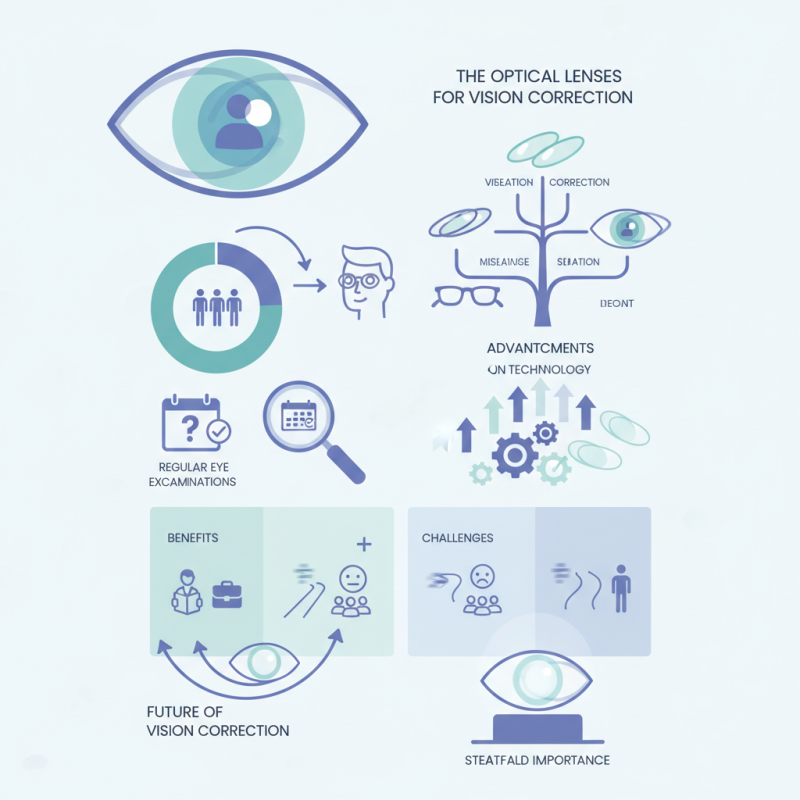
Many people may not realize the various types of optical lenses available today. Prescription glasses, contact lenses, and specialized lenses all cater to different vision needs. Moreover, advancements in technology have made lenses lighter and more efficient. However, there remains a gap in understanding the importance of regular eye examinations.
The necessity of optical lenses goes beyond mere convenience. Poor vision can hinder daily activities, impact career opportunities, and lead to social isolation. As we explore the essential role of optical lenses, it's crucial to recognize both the benefits and challenges they bring to individuals' lives. The future of vision correction continues to evolve, but the importance of optical lenses remains steadfast.
The Role of Optical Lenses in Correcting Vision Deficiencies
Optical lenses play a vital role in correcting vision deficiencies. Millions worldwide rely on these lenses to enhance their eyesight. According to the World Health Organization, over 2.7 billion people face uncorrected poor vision. Optical lenses adjust the light entering the eye, helping to focus images correctly on the retina.
People with myopia, hyperopia, or astigmatism can experience significant daily challenges. These conditions can affect reading, driving, and other essential tasks. Surprisingly, about 90% of adults in urban areas have some form of these vision defects. Lenses correct these issues by refracting light. However, vision correction is not always perfect. Some individuals may still struggle with clarity or find their prescription uncomfortable.
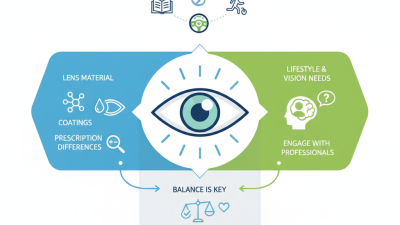
Custom-made lenses offer improvements, but they may not meet every need. A report shows that about 30% of lens wearers experience discomfort or dissatisfaction. Factors like lens material, shape, and coating can affect overall comfort. As technology evolves, advancements aim to minimize these imperfections. New materials are continually developed, and digital fitting techniques are becoming more popular.
Types of Optical Lenses Used in Vision Correction
Optical lenses play a critical role in vision correction. They help to adjust the focus of light entering the eye. Various types of lenses are used depending on individual vision problems. Understanding these types is essential for effective treatment.
Single vision lenses are the most common. They contain one prescription throughout the lens. This type is perfect for those who need help with either distance or close-up vision. Bifocal lenses are another option. They have two distinct areas: one for distance and one for near vision. People often struggle to adjust between these areas. Varifocal lenses, or progressive lenses, offer a smoother transition. However, they can be challenging for first-time users.
Some may choose contact lenses instead. They are convenient and often more comfortable. Yet, not everyone adapts well to them. Fitting issues can arise, leading to frustration. Each type of lens, whether glasses or contacts, comes with unique advantages and challenges. Choosing the right one requires careful consideration and sometimes trial and error.
Why Are Optical Lenses Essential for Vision Correction? - Types of Optical Lenses Used in Vision Correction
| Type of Optical Lens |
Vision Issues Corrected |
Material |
Features |
| Single Vision Lenses |
Myopia, Hyperopia |
Polycarbonate |
Lightweight, impact-resistant |
| Bifocal Lenses |
Presbyopia |
High-index Plastic |
Two distinct viewing areas |
| Progressive Lenses |
Myopia, Hyperopia, Presbyopia |
Trivex |
Seamless transition, no visible lines |
| Computer Glasses |
Digital Eye Strain |
Polycarbonate |
Blue light filtering |
| Photochromic Lenses |
Myopia, Hyperopia, Presbyopia |
Glass or Plastic |
Darkens in sunlight, UV protection |
Impact of Prescription Lenses on Visual Acuity and Quality of Life
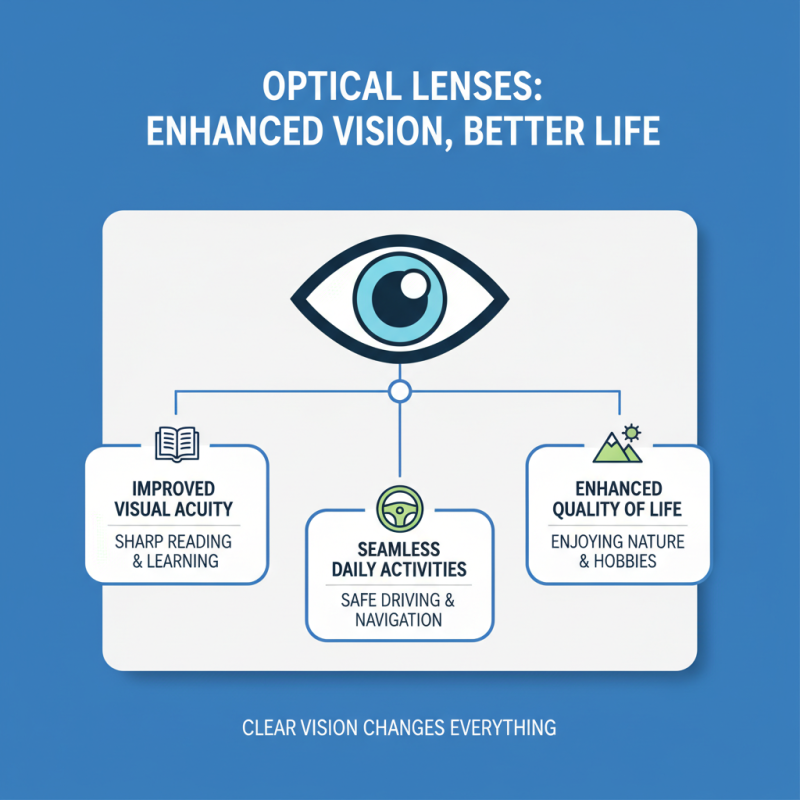
Optical lenses play a vital role in vision correction. They enhance visual acuity and significantly improve the quality of life. Clear vision not only helps us navigate our world but also impacts daily activities. Reading, driving, and even enjoying nature become seamless experiences when our vision is sharp.
Prescription lenses address various vision issues. They can correct nearsightedness, farsightedness, and astigmatism. Many individuals find that their productivity increases with better vision. Tasks become less straining. However, some may experience discomfort while adjusting to new prescriptions. It's important to give your eyes time to adapt. Regular eye exams can help ensure your prescription remains accurate.
Tips for using prescription lenses:
Take breaks from screens to reduce eye strain. Adjust the brightness of your devices. Always clean your lenses to avoid blurry vision. Remember, prioritizing eye health is crucial. Reflect on any discomfort you may feel. It’s essential to listen to your body and consult a professional when in doubt.
Market Trends: Growth of Optical Lens Adoption and Technologies
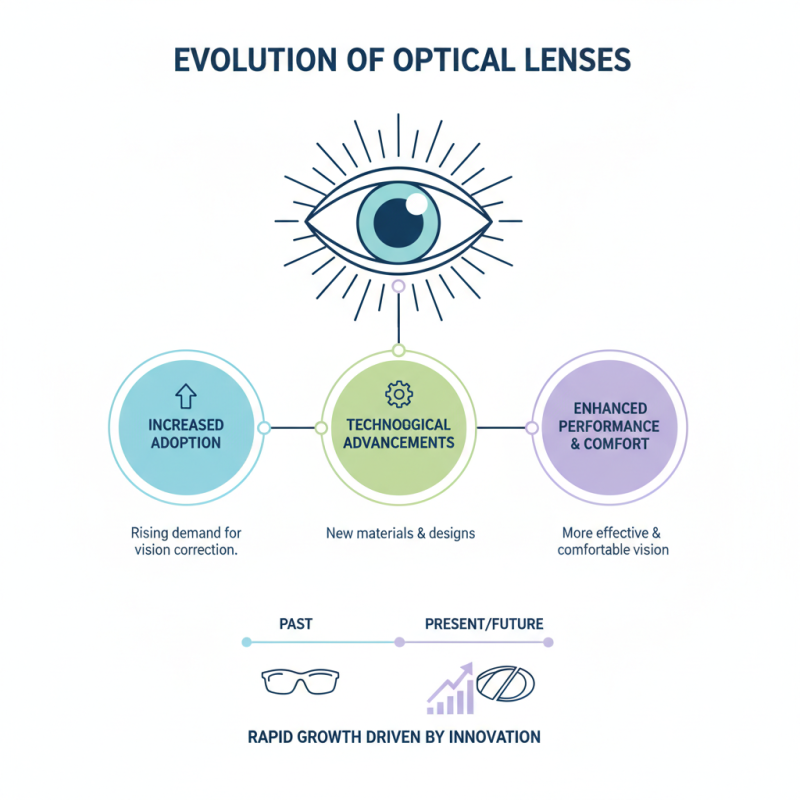
The world of optical lenses is evolving quickly. The adoption of these lenses is on the rise. More people recognize the need for vision correction. Advances in technology are driving this growth. New materials and designs make lenses more effective and comfortable.
Consumers are becoming more aware of their options. They seek personalized solutions for their vision problems. Innovative features, such as blue light filtering, are increasingly popular. Lenses that adjust to lighting conditions are also gaining traction. However, not all innovations work as intended. Some people find these high-tech options overwhelming.
The market is shifting in unexpected ways. While some embrace these changes, others remain hesitant. People often question the value of expensive lenses. Trends indicate a blend of traditional and modern approaches. As we navigate these changes, the importance of user feedback cannot be overlooked. The industry must learn from both successes and failures to keep improving.
Future Innovations in Optical Lens Design and Vision Correction Methods
The future of optical lens design is promising yet filled with challenges. Research indicates that nearly 2.7 billion people globally need vision correction. Advanced technology is driving innovations in lens materials and designs. For instance, smart lenses equipped with augmented reality features are being developed. They promise to enhance the visual experience beyond traditional correction.
However, not all innovations are flawless. There are concerns about the affordability of these advanced lenses. Many consumers may not access these high-tech solutions. Moreover, the effects of prolonged use of smart lenses on eye health remain uncertain. Reports suggest that 60% of users experience discomfort with long-term wear. This highlights the necessity for further research and testing to ensure safety and comfort.
Another area of innovation is personalized lenses tailored to individual eye prescriptions. According to recent studies, these custom solutions can improve vision clarity significantly. Still, the technology behind personalized lenses can be difficult for some practitioners to implement. A gap remains between cutting-edge technology and practical application in clinics. This discrepancy poses questions about the future direction of optical lens innovation.