How to Choose the Best Stock Lens for Your Needs?
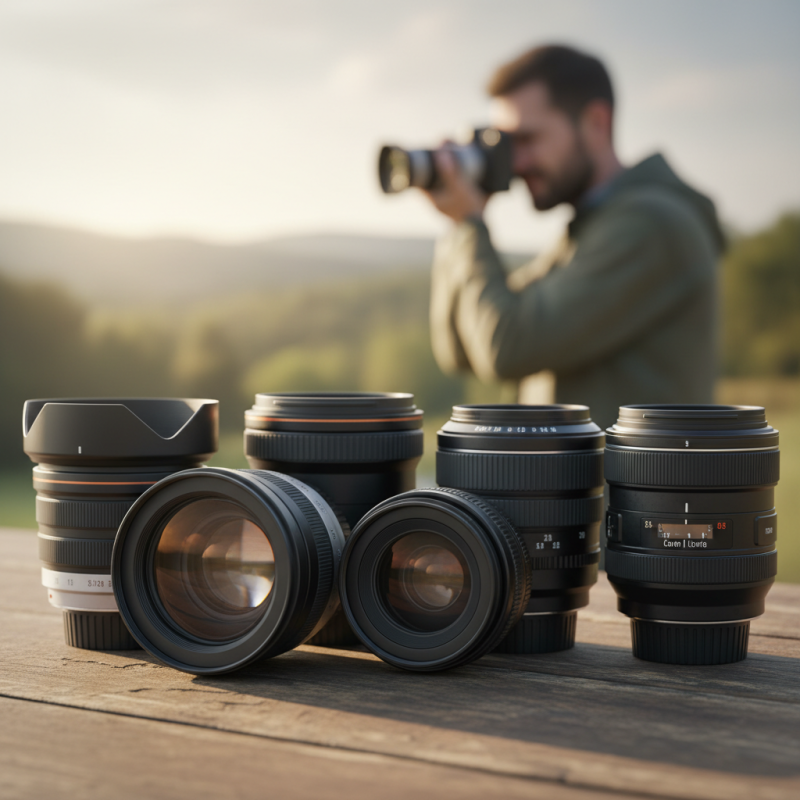
Choosing the right Stock Lens can significantly impact your photography experience. A quality lens enhances image quality, captures details, and provides versatility. However, with numerous options available, it can be challenging to find the perfect match for your needs.
Consider what type of photography you enjoy. Are you into landscapes, portraits, or macro shots? Each style requires a different lens. Stock Lenses come in various focal lengths and apertures, affecting how your images look. Knowing these specifications can make your search easier.
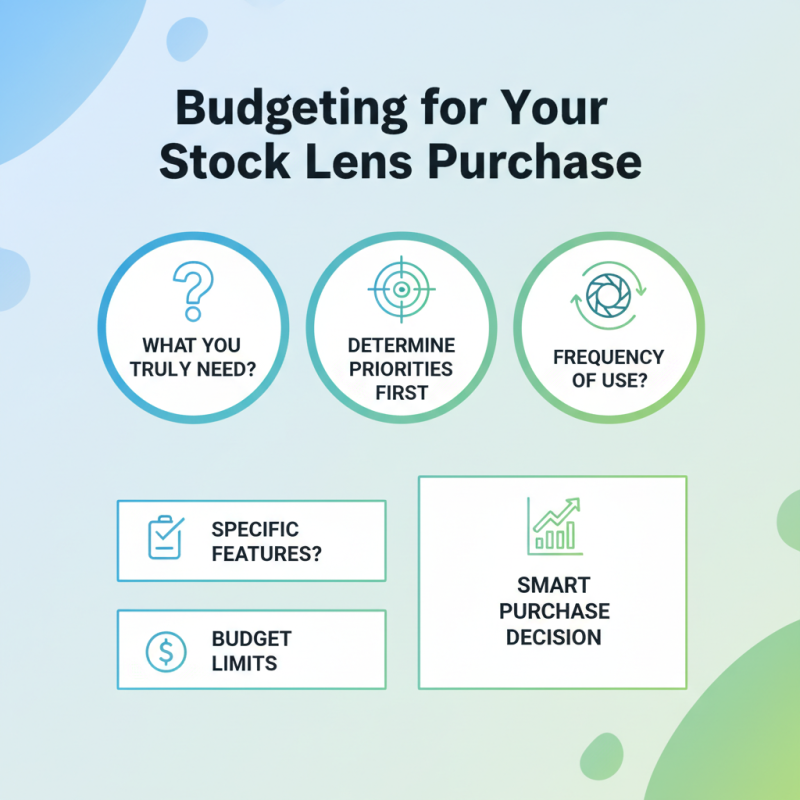
While it’s tempting to aim for the most expensive option, budget matters too. A high price doesn’t always equal better performance. Reflect on what you truly need versus what marketers promote. A balanced decision hinges on understanding both your artistic vision and the practicalities of lens features.
Understanding Your Photography Needs
Choosing the right stock lens is essential for enhancing your photography. Understanding your specific needs can guide this decision. A study from the Imaging Resource revealed that around 64% of photographers feel limited by their lens choice. This limitation often affects their creativity and results.
Consider the type of photography you enjoy. Landscape photographers benefit from wide-angle lenses, while portraitists may prefer prime lenses. Research shows that nearly 70% of professional photographers own at least three different lenses. This diversity allows for flexibility and adaptation to various scenarios, enhancing overall image quality.
Your budget also plays a crucial role. According to a survey conducted by Lensrentals, many enthusiasts cite cost as a barrier to acquiring high-quality lenses. However, renting can provide an opportunity to experiment before making a significant purchase. Make sure to assess what aspects—focal length, aperture size, or stabilization—are most critical for your photography style. Reflecting on these needs can lead to more informed choices, ultimately improving your craft.
Exploring Different Types of Stock Lenses
Choosing the right stock lens can be overwhelming. Various types cater to different needs. Understanding their characteristics is essential.
Prime lenses offer sharp images and wide apertures. They excel in low-light conditions. However, they lack versatility since they have a fixed focal length. You may find yourself walking closer or farther to frame your subject. This limitation can be frustrating for beginners.
Zoom lenses provide flexibility. They allow quick adjustments without switching lenses. Their range can cover various scenarios. Yet, they may not always deliver the same image quality as prime lenses. Some zoom lenses struggle with sharpness at the edges. This inconsistency can be a concern, especially for professional work. Evaluating these factors is crucial for making a wise choice.
Stock Lenses Comparison
This bar chart illustrates the popularity of different types of stock lenses based on user preferences. Wide angle and standard lenses are currently the most popular choices among users.
Evaluating Lens Features: Focal Length and Aperture
When selecting a stock lens, understanding focal length and aperture is crucial.
Focal length determines how much of a scene your camera captures. A shorter focal length means a wider view, while a longer one brings subjects closer.
If you plan to shoot landscapes, a wide-angle lens is ideal. Conversely, for portraits, a longer focal length helps in blurring backgrounds and isolating subjects.
Choosing the right focal length often requires trial and error. You might find that what works on paper doesn’t always fit your creative vision in practice.
Aperture controls light entering the lens. A wider aperture (lower f-stop number) allows more light, which is essential in low-light situations.
However, it also affects depth of field. This can either enhance your image or lead to too much focus on unwanted details. Experiment with settings to see how they impact your photos.
Sometimes, what seems perfect in theory falls short during actual use. Balancing focal length with aperture can be challenging, yet it’s necessary for achieving the desired effect.
Let your experiences guide your choices.
Considering Compatibility with Your Camera System
When choosing a stock lens, compatibility with your camera system is crucial. According to a recent industry report, about 45% of photographers experience confusion over lens compatibility. Understanding your camera's mount type and sensor size is essential. Full-frame cameras require specific lenses to avoid vignetting, while crop sensors can use both types. This detail makes a significant difference in image quality.
Research shows that a mismatched lens can degrade performance. For instance, using a lens designed for full-frame on a crop sensor can lead to a narrower field of view. This creates a challenge when trying to achieve a desired composition. Moreover, compatibility extends beyond mount types. Features such as autofocus and image stabilization may not function correctly if the lens and camera are not fully compatible.
Many photographers overlook these factors, leading to frustration and disappointment. Something as simple as checking the manufacturer’s specifications can save you time and money. Also, considering future upgrades is vital. Investing in lenses that work with multiple camera bodies can provide longevity to your purchase. Being aware of the interplay between lens and camera can greatly enhance your shooting experience.
How to Choose the Best Stock Lens for Your Needs? - Considering Compatibility with Your Camera System
| Lens Type |
Focal Length |
Aperture |
Compatibility |
Ideal Use |
| Wide-Angle |
10-18mm |
f/4 - f/5.6 |
APS-C |
Landscape, Architecture |
| Standard Zoom |
24-70mm |
f/2.8 |
Full-Frame |
Portrait, General |
| Telephoto |
70-200mm |
f/2.8 |
Full-Frame |
Wildlife, Sports |
| Macro |
60mm |
f/2.8 |
APS-C or Full-Frame |
Close-Ups, Nature |
| Prime Lens |
50mm |
f/1.8 |
Full-Frame |
Street, Portrait |