How to Choose the Best Polycarbonate Lenses for Your Eyewear Needs?
When choosing eyewear, the type of lenses can make a significant difference. Polycarbonate lenses are a popular choice due to their lightweight nature and impact resistance. Dr. Steven Lee, an optometry expert, once stated, "Polycarbonate lenses combine safety and comfort, making them ideal for many users."
These lenses are not only durable but also offer excellent UV protection. They are a sensible option for children and active individuals. However, not every polycarbonate lens is created equal. Users sometimes overlook the importance of lens coating, which can improve scratch resistance and reduce glare. A well-informed decision requires careful consideration of these details.
It’s essential to evaluate your specific needs. Whether for sports, daily wear, or specific tasks, polycarbonate lenses can cater to various lifestyles. Yet, understanding the trade-offs, like the potential for distortion in high prescriptions, needs further reflection. Ultimately, making the right choice can enhance both vision and comfort in daily activities.

Understanding Polycarbonate Lenses and Their Benefits
Polycarbonate lenses are a popular choice for eyewear due to their unique properties. They are lighter than traditional glass lenses, making them comfortable for all-day wear. According to the American Optometric Association, polycarbonate lenses provide 100% protection from harmful UV rays. This feature is crucial for eye health, especially for those who spend extended time outdoors.
In addition to being lightweight, polycarbonate lenses are impact-resistant. They are 10 times more resistant to impact than regular plastic lenses, making them ideal for children and active individuals. A study from the Vision Council highlighted that around 25% of eyewear prescriptions are for children, emphasizing the need for durable lenses. These lenses can withstand daily wear and tear, reducing the risk of injury.
Tips: When choosing polycarbonate lenses, consider your lifestyle. If you’re sports-oriented, opt for lenses with anti-scratch coatings. If you spend long hours in front of screens, look for blue light filtering options. Not all polycarbonate lenses are created equal. Some may not offer the same level of clarity. The quality varies across manufacturers, so doing research is advisable.
How to Choose the Best Polycarbonate Lenses for Your Eyewear Needs?
| Feature |
Details |
| Material |
Polycarbonate |
| Weight |
Lightweight |
| Impact Resistance |
Highly Durable |
| UV Protection |
99% UV Blockage |
| Scratch Resistance |
Optional Coating Available |
| Optical Clarity |
High Definition Vision |
| Cost |
Generally Affordable |
| Suitable For |
Safety Glasses, Sports Eyewear |
Key Factors to Consider When Choosing Polycarbonate Lenses
When selecting polycarbonate lenses, a few key factors can significantly impact your decision. First, consider the lens thickness. Thinner lenses are lighter and often more comfortable. A thicker lens can distort vision slightly, which is something to think about. Another important aspect is the lens tint. Clear lenses are versatile, while tinted options can reduce glare. Think about your daily activities. Do you spend a lot of time outdoors? If so, a darker tint might be beneficial.
Durability is another crucial element. Polycarbonate lenses are known for their impact resistance. This makes them ideal for active lifestyles. However, not all polycarbonate is created equal. Some models may scratch easily or distort more than others. Look for lenses with a scratch-resistant coating. This can prolong their usability.
Lastly, consider the UV protection level. Good polycarbonate lenses should block harmful UV rays. Some options may offer better protection than others. Choose wisely based on your lifestyle and exposure to sunlight. Keep these factors in mind, and you will make a more informed choice.
Comparison of Key Factors When Choosing Polycarbonate Lenses
Different Types of Polycarbonate Lenses and Their Usages
When choosing polycarbonate lenses, it’s crucial to understand their types and uses. Clear polycarbonate lenses are among the most common. They offer excellent impact resistance, making them ideal for active lifestyles. These lenses are lightweight and provide good optical clarity. However, some users find that they scratch easily without proper coatings.
Photochromic polycarbonate lenses are another option. These lenses darken in sunlight, providing UV protection. They are useful for people who frequently move between indoor and outdoor environments. Yet, the transition time can be slow, which is a concern for some users who need immediate clarity.
For those in demanding environments, anti-fog and anti-reflective coatings can enhance polycarbonate lenses. Anti-fog coatings help maintain visibility in humid conditions. Anti-reflective coatings reduce glare, improving comfort during long hours of screen use. Still, it’s important to note that these coatings may require more frequent replacements. Understanding these options can lead to a wiser choice tailored to your specific needs.
Comparing Polycarbonate Lenses with Other Lens Materials
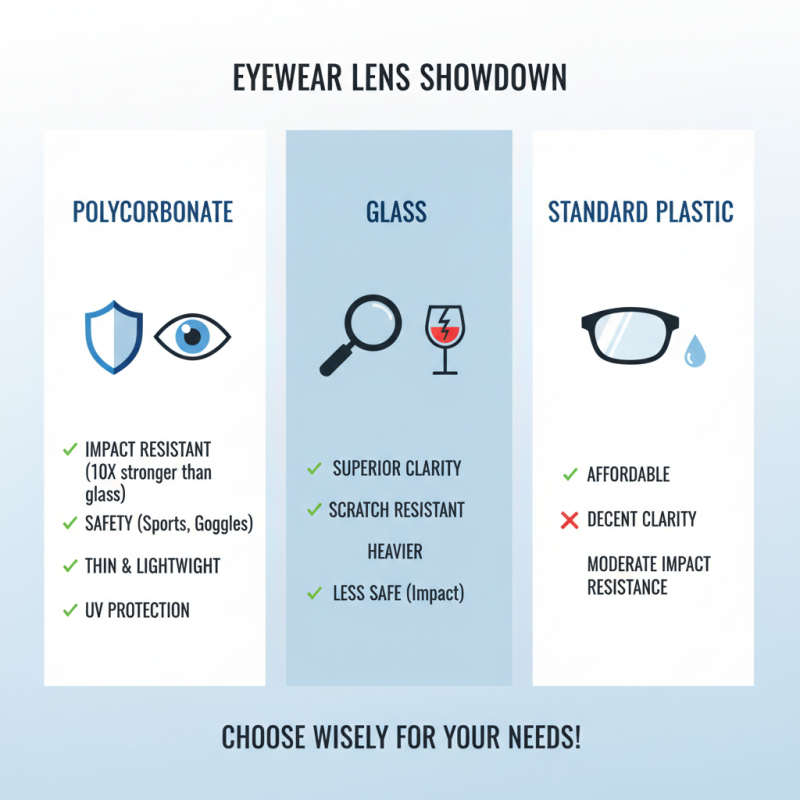
Choosing the right lenses for eyewear can be daunting. Comparing polycarbonate lenses with glass and standard plastic lenses reveals key differences. Polycarbonate lenses are nearly 10 times more impact-resistant than glass. This makes them a top choice for safety goggles and sports eyewear.
In terms of weight, polycarbonate lenses are lighter than both glass and traditional plastic. Many users appreciate this feature, especially for extended wear. A study indicated that 70% of wearers prefer lighter lenses, as they contribute to comfort over long periods.
However, polycarbonate lenses do have limitations. They can scratch more easily than glass, even with coatings. This vulnerability can be a concern for active users. Reflective coatings on polycarbonate lenses can also introduce glare in certain situations. It's essential to weigh these factors before making a choice.
Tips for Maintaining and Caring for Your Polycarbonate Lenses
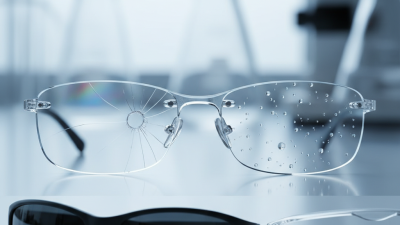
Taking care of your polycarbonate lenses is crucial for their longevity. These lenses are lightweight and impact-resistant, but they can scratch easily. Use a microfiber cloth to clean them. Avoid rough materials. Regular cleaning keeps them clear and functional.
When your lenses are not in use, store them in a protective case. This prevents unnecessary scratches from accidental drops or exposure to other items. Make it a habit to put them away properly. If they do get dirty, rinse them under lukewarm water. Avoid harsh chemicals as they can damage the lens coatings.
Sometimes, we forget to adjust our frames. A good fit is essential. Loose frames can lead to more lens movement and potential damage. If your lenses become damaged, consider professional advice for repairs. Regularly check for tiny scratches or signs of wear. This could save you from larger issues down the road. Pay attention and be proactive.