2026 How to Choose the Best Polarized Lenses for Your Sunglasses?
Choosing the right polarized lenses for sunglasses is crucial for eye protection and comfort. According to the Vision Council, 70% of consumers are unaware of the benefits polarized lenses offer. As outdoor activities increase, understanding these benefits is essential for consumers.
Dr. Jane Smith, a leading optometrist, emphasizes, "Polarized lenses reduce glare and improve visual clarity." This statement highlights the importance of selecting quality lenses. Polarized lenses not only enhance vision but also cut harmful UV rays. However, many brands market their lenses without clear information about their effectiveness.
Poor choices can lead to eye strain and discomfort. Industry experts recommend consumers research lens materials and coatings to ensure they receive the best protection. While many options exist, not all polarized lenses are created equal. Taking time to explore various brands and their specifications can lead to better purchasing decisions.

Understanding Polarized Lenses: Definition and Benefits
Polarized lenses are designed to reduce glare from reflective surfaces. They contain a special filter that blocks intense light rays. This can significantly enhance visual clarity and comfort. Whether you're driving, fishing, or enjoying a day at the beach, these lenses offer distinct advantages.
One major benefit is reduced eye strain. Bright reflections can cause discomfort over time. Polarized lenses help to minimize this, allowing for longer periods outdoors. They also improve color perception and contrast. This means more vibrant views of your surroundings.
Tip: When selecting polarized lenses, consider the level of polarization you need. Not all polarized lenses are created equal. Some provide more glare reduction than others. Ensure the lenses meet your specific activities and preferences.
Versatility is another key aspect. These lenses can be found in various styles and tints. It's crucial to test how different lenses feel in different lighting. You might discover what works best for you is not what you initially thought. Explore options and remain open to adjustments as preferences can change.
Different Types of Polarized Lenses: Materials and Coatings
When choosing polarized lenses for sunglasses, understanding the materials and coatings is essential. Polarized lenses typically come in several materials, including polycarbonate, glass, and CR-39. Polycarbonate is lightweight and impact-resistant, making it ideal for active lifestyles. Glass lenses offer superior optical clarity but are heavier and more prone to shattering. CR-39 is a popular choice because it balances weight and cost-effectiveness. According to industry reports, around 40% of consumers prefer polycarbonate lenses for their versatility and durability.
Coatings on polarized lenses can enhance their performance. Anti-reflective coatings reduce glare, improving visibility in bright conditions. Scratch-resistant coatings extend the life of lenses, which is vital for outdoor use. A study indicated that sunglasses with both anti-reflective and scratch-resistant coatings have a 60% longer lifespan. However, users should be aware that some coatings may degrade over time. It's crucial to check for any wear and tear after prolonged use.
Each type of lens material and coating has its pros and cons. While lighter lenses are more comfortable, they might not provide the same durability as glass lenses. It's important to weigh these factors carefully. Users should also consider how each choice meets their specific activity needs. Understanding these details can lead to a more informed decision, ensuring eye safety and comfort in various environments.
Key Features to Consider When Choosing Polarized Sunglasses
When selecting polarized sunglasses, understanding key features is crucial. Look for lenses that block 99% to 100% of UV rays. This protection is vital for eye health. Additionally, consider the lens material. Polycarbonate lenses are lightweight and impact-resistant, making them ideal for outdoor activities. Glass lenses offer superior optical clarity but are heavier and prone to breakage.
Tint color matters too. Different tints can enhance contrast and improve visibility in specific environments. Gray tints reduce overall brightness without distorting colors. Brown or amber tints enhance depth perception and are perfect for variable light conditions.
Consider lens coatings, too. Anti-reflective coatings minimize glare while mirror finishes can reduce the amount of light that passes through. However, not everyone likes the appearance of mirrored lenses. Some prefer a classic look, which is fine. Choose what feels best for you. Options can be overwhelming, but focusing on these features helps narrow the choices. Each person has unique needs, so reflect on your preferences.
How to Evaluate UV Protection in Polarized Lenses
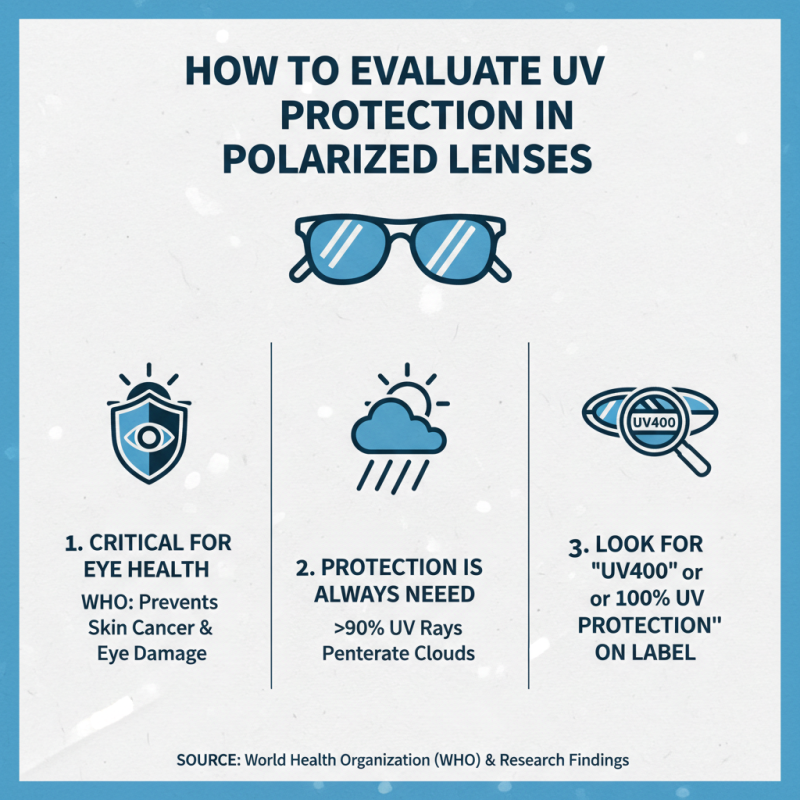
When evaluating polarized lenses for sunglasses, assessing UV protection is critical. According to the World Health Organization (WHO), UV radiation contributes to skin cancer and eye damage. Research shows that more than 90% of UV rays can penetrate clouds, making adequate protection essential regardless of weather conditions.
Look for lenses that block 100% of UVA and UVB rays. Many polarized lenses claim to offer UV protection, but not all maintain high standards. The American National Standards Institute (ANSI) sets regulations for sunglasses. Opt for lenses labeled with ANSI Z80.3, indicating compliance with optical standards.
Keep in mind that polarization does not guarantee UV protection. Many consumers assume polarized lenses inherently block UV rays. This misconception can lead to serious eye health risks. Always check for certifications on lens tags. Features like mirror coatings may enhance style but do not contribute to UV blocking. It’s vital to prioritize genuine UV protection for long-term eye safety. The choices around lens protection should reflect careful consideration and informed decisions.
Tips for Testing the Effectiveness of Polarized Lenses
Testing the effectiveness of polarized lenses requires more than just personal judgment. Start by examining the light filtering properties. When looking through polarized lenses, you should notice a significant reduction in glare. This is particularly important for activities like driving or fishing.
One way to test is the LCD screen method. Hold your sunglasses in front of an LCD screen and rotate them. Genuine polarized lenses will darken as their angle changes. Research shows that up to 99% of harmful UV rays can be blocked by effective polarized lenses. This statistic highlights the importance of quality when selecting lenses.
Another effective method involves visual confirmation. Look at reflective surfaces, such as water or pavement. Good polarized lenses will greatly reduce reflections. A report from the Vision Council states that many consumers overlook lens quality. This oversight emphasizes the need for thorough evaluation before purchase. Trustworthy sources advise conducting these tests in various lighting conditions to assess the true quality of polarization.
2026 How to Choose the Best Polarized Lenses for Your Sunglasses? - Tips for Testing the Effectiveness of Polarized Lenses
| Dimension |
Description |
Effectiveness Criteria |
| Lens Material |
Type of material used for the lenses, impacting durability and clarity. |
Optical clarity rating; impact resistance standards. |
| Polarization Type |
Different methods of polarization, affecting glare reduction. |
Test with reflective surfaces; glare reduction percentage. |
| UV Protection |
Protection from harmful UV rays, essential for eye health. |
UV blockage percentage; compliance with UV protection standards. |
| Lens Tint |
Tinted lenses to enhance contrast and reduce brightness. |
Color transmission index; contrast enhancement rating. |
| Scratch Resistance |
Ability of the lens to resist scratches over time. |
Scratch resistance rating; standard wear tests. |