How to Choose the Best Transition Lenses for Your Glasses?
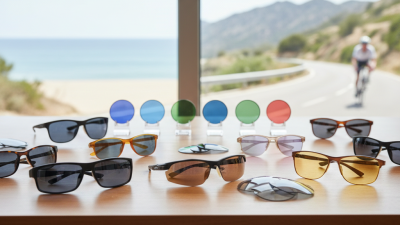
Choosing the right eyewear is crucial for eye health and comfort. Transition lenses offer a versatile solution for various lighting conditions. These lenses adapt, darkening in sunlight and clearing indoors. This convenience enhances visual clarity and reduces glare.
When exploring Transition lenses, consider the level of UV protection they provide. It is essential for safeguarding your eyes against harmful rays. Additionally, some lenses may have a slow response time to changing light. This delay can impact vision during quick transitions. Always assess how each pair performs in real-world scenarios.
Your lifestyle plays a key role in the selection process. Active users may benefit from options that quickly adjust to light changes. However, not every lens works the same for everyone. Personal experiences are necessary to find the best fit. Make informed choices based on both research and personal feedback to achieve optimal results.
Understanding Transition Lenses and Their Benefits
Transition lenses have gained popularity due to their versatility and convenience. These lenses adjust from clear indoors to a darker tint outside, providing UV protection. According to research by The Vision Council, over 40% of eyewear users choose photochromic lenses for their ability to enhance visual comfort.
When selecting transition lenses, consider your lifestyle and habits. For those who spend time outdoors, look for lenses that offer optimal UV protection. Some options can block 100% of UVA and UVB rays, which is essential for eye health. Test various brands if possible. Not all transition lenses react the same way to light.
Tips: Check if the lenses are compatible with your frames. Some styles may not accommodate thicker lenses. Also, consult with an eye care professional to determine the best lens for your specific needs. Remember, not every lens is perfect for every situation. Adjustments may be necessary as your lifestyle changes.
Factors to Consider When Choosing Transition Lenses
Choosing the right transition lenses can enhance your vision and comfort. There are several factors to consider to find the best fit for your needs. First, examine the light sensitivity level. This indicates how quickly lenses darken in sunlight. Some require longer exposure to activate, while others respond swiftly.
Tip: Observe how your current lenses react to light. It may guide your next choice.
Next, consider the lens material. Different materials offer varying levels of clarity and durability. Polycarbonate lenses are impact-resistant, making them ideal for active lifestyles. High-index lenses provide a slimmer profile, perfect for higher prescriptions. Remember, heavier lenses can be uncomfortable.
Tip: Try on various styles to assess weight and comfort. Your glasses should feel good all day.
Also, think about the UV protection level. Not all transition lenses block 100% of UV rays. Look for products that offer complete protection. Climate can also affect performance. Colder areas might require lenses that transition more slowly. Reflect on your local environment when making a selection.
Tip: If needed, consult with an eye care professional for personalized advice. Their expertise can help clarify your choices.
Different Types of Transition Lenses Available
When choosing transition lenses, it’s essential to understand the different types available. Transition lenses adapt to light changes. They darken in sunlight and clear up indoors. This feature offers convenience and protection. However, not all transition lenses are the same.
Some lenses offer a faster transition time. Others may provide a darker tint outdoors. Choosing the right one depends on your lifestyle. For example, frequent outdoor activities may benefit from lenses that darken quickly. If you spend more time indoors, consider those that clear up faster.
Another factor is the lens material. Polycarbonate lenses are lightweight and impact-resistant. These can be suitable for children or active individuals. Glass lenses, on the other hand, provide superior optical clarity. Yet, they can be heavier and more prone to breakage. Assessing your daily needs will help you make a better choice.
How to Determine the Right Shade and Tint for Your Needs
Choosing the right shade and tint for transition lenses can be complex. Various factors influence how lenses interact with light. Research by the American Optometric Association indicates that the right tint can reduce glare and enhance comfort. It's essential to consider your daily activities when selecting a shade.
For outdoor enthusiasts, a darker tint offers better protection from UV rays. On the other hand, those primarily indoors might prefer a lighter shade, which works effectively in lower light conditions. A study revealed that 70% of people reported improved visual comfort with the appropriate tint. Lighter tints can also minimize eye strain during prolonged screen time.
Tips: Always test tints in different lighting conditions to see how they respond. Many optical stores offer samples for you to try on. Think about age-related changes too; older eyes may benefit from different shades than younger ones. Reflect on your environment: do you frequently change between bright and dim spaces? Adjust your lens choice accordingly. Experimentation can lead to surprising results.
How to Choose the Best Transition Lenses for Your Glasses? - How to Determine the Right Shade and Tint for Your Needs
| Frame Material |
Lens Tint Options |
UV Protection Level |
Photochromic Activation Speed |
Ideal Usage Scenario |
| Plastic |
Gray, Brown, Green |
100% UV Protection |
Fast (30 seconds) |
Everyday outdoor use |
| Metal |
Yellow, Blue, Brown |
99% UV Protection |
Medium (1 minute) |
Indoor/outdoor transition |
| Composite |
Gray, Bronze |
100% UV Protection |
Slow (2-3 minutes) |
Extended outdoor activities |
| Acetate |
Gray, Brown |
100% UV Protection |
Medium (1 minute) |
Everyday casual wear |
Tips for Maintaining and Caring for Transition Lenses
Caring for transition lenses is crucial for their longevity and performance. Regular cleaning is essential. Use a microfiber cloth to wipe away dust and smudges. If they get too dirty, rinse them under lukewarm water before cleaning. Avoid using rough materials; they can scratch your lenses. Although it may feel quicker, don’t use paper towels or your shirt.
Storing them properly will protect your lenses. Always keep them in a hard case when not in use. Extreme temperatures can damage the lens material. Avoid leaving them on the dashboard of your car or in direct sunlight. Remember, the lenses also need occasional professional care. A visit to an optician can help you identify any signs of wear.
Transition lenses can sometimes be vulnerable to fading over time. This may not always be visible. Regularly check their response to UV light. If they take longer to adjust, it might be time for an evaluation. Being attentive to these details can enhance your overall experience with transition lenses.