Why Choose the Best Optical Lenses for Your Needs?
Choosing the right optical lenses is crucial for anyone concerned about vision quality. Dr. Emily Carter, a renowned expert in the optical industry, emphasizes, "The right optical lenses can transform your visual experience."
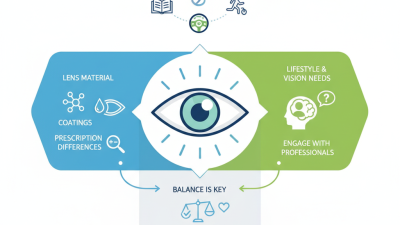
Optical lenses play a significant role in enhancing vision clarity. Whether you need them for reading, driving, or sports, selecting the best option matters greatly. Poor choices can lead to discomfort and visual strain. It's not just about prescription strength; the lens material and coating also impact performance.
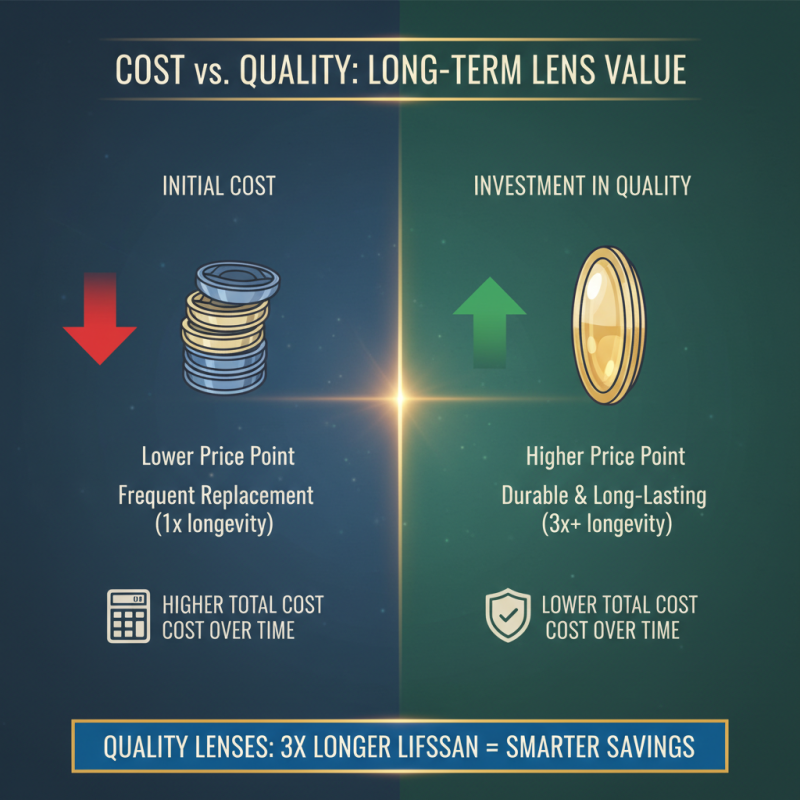
Many consumers overlook the technology behind optical lenses. Innovations have led to lightweight designs and anti-reflective coatings. Yet, some still choose lenses based on price alone, risking their eye health. Understanding your needs can guide you to make wiser decisions. Therefore, investing time in research is essential for optimal vision care.
Understanding the Importance of Optical Lenses in Vision Correction
Optical lenses play a crucial role in vision correction. They help millions of people see clearly every day. Selecting the right lenses affects your comfort and visual health. Poor-quality lenses can lead to eye strain and headaches. Understanding your specific needs is essential. Factors like prescription strength and lifestyle impact this choice.
Tips: Think about your daily activities. If you spend a lot of time on screens, consider lenses with anti-reflective coatings. For outdoor activities, lenses with UV protection can be beneficial. It's vital to discuss your preferences with an eye care professional. They can offer tailored advice.
Different lens materials offer various benefits. High-index lenses are thinner and lighter but may cost more. Standard plastic lenses are affordable but can be bulkier. Reflect on your priorities, such as weight and cost. Everyone's needs are unique, and what works for one may not work for another. Pay attention to how your lenses impact your everyday life.
Why Choose the Best Optical Lenses for Your Needs?
| Lens Type |
Material |
Index |
Coating |
Benefits |
| Single Vision |
Polycarbonate |
1.57 |
Anti-reflective |
Lightweight, Impact-resistant |
| Bifocal |
CR-39 |
1.50 |
Scratch-resistant |
Dual vision correction |
| Progressive |
High-index Plastic |
1.61 |
Blue light blocking |
Seamless transition for multi-distance |
| Photochromatic |
Polycarbonate |
1.57 |
UV protection |
Adapt to light conditions |
Types of Optical Lenses and Their Specific Benefits for Users
Choosing the right optical lenses can significantly enhance your visual experience. Different types of lenses cater to various needs, providing specific benefits. For instance, progressive lenses are designed for people who require multifocal vision correction. According to industry data, nearly 70% of individuals over 40 years old experience presbyopia. These lenses offer a seamless transition between distances, eliminating the need for multiple pairs of glasses.
Bifocal lenses are another popular choice. They feature two distinct optical powers, one for distance and another for close-up work. This design can be particularly beneficial for those who need to switch frequently between tasks. Research indicates that users often find bifocals offer a quicker adjustment period compared to other multifocal options. However, they may lead to peripheral distortion. This effect can be distracting, especially in active environments.
Single-vision lenses serve a different purpose. They focus on one field of vision, either for distance or reading. While they lack the versatility of multifocal designs, they provide clearer vision within their specific range. It's worth noting that many users find single-vision lenses easier to adapt to, but this can be subjective. The decision ultimately hinges on individual needs, lifestyle, and visual requirements.
Optical Lenses: Types and Benefits
Identifying Your Visual Needs: Comparing Single Vision and Multifocal Lenses
Choosing the right optical lenses is crucial for your visual health. Many people face the dilemma of selecting between single vision and multifocal lenses. Understanding your visual needs is key.
Single vision lenses are designed for one field of vision. They are ideal for those who need correction for distance or near sight but not both.
On the other hand, multifocal lenses offer solutions for multiple vision types in one lens. They cater to those who may struggle with seeing clearly at different distances. However, adjusting to multifocal lenses can take time. Some users report initial discomfort or a brief adaptation period. It's essential to weigh these factors when making your choice.
Consider your daily activities. Do you find yourself frequently switching between reading and looking at objects far away? If so, multifocal lenses might be beneficial. If you primarily focus on one task, single vision could suffice. Reflect on your routine. The right choice can enhance your visual experience significantly.
Evaluating Lens Materials: Impact on Durability and Clarity
When selecting optical lenses, the material plays a crucial role in both durability and clarity. Various materials offer distinct benefits and drawbacks. For instance, polycarbonate lenses are lightweight and impact-resistant, making them ideal for active lifestyles. However, they may scratch more easily compared to other options.
Glass lenses provide superior optical clarity. They are scratch-resistant and offer excellent vision. Yet, they tend to be heavier and can break more easily. It's important to weigh these factors carefully. If your activities involve potential hazards, you might choose a more durable material. On the other hand, for everyday use, clarity might take precedence.
Ultimately, no lens material is perfect. Each has trade-offs that require thoughtful consideration. Understanding your specific needs will guide you to the right choice. Opt for options that prioritize safety and visual performance. A well-informed decision can significantly enhance your lens-wearing experience.