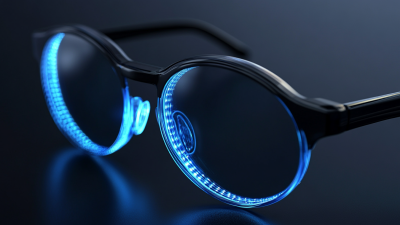
Blue Cut Lens Tips for Choosing the Right Product?
In today's digital age, the importance of eye protection cannot be overstated. Blue Cut Lens technology has emerged as a crucial solution for those frequently exposed to screens. These lenses filter out harmful blue light emitted by devices, reducing eye strain and discomfort. However, the market is flooded with choices, making it challenging to select the right Blue Cut Lens for your needs.
Choosing the appropriate lens requires an understanding of your lifestyle and specific vision needs. Factors like lens material, prescription requirements, and coatings can greatly influence your choice. Not all Blue Cut Lenses are created equal, and price does not always indicate quality. It’s essential to consider reviews and recommendations from trusted sources.
Let’s take a closer look at how you can navigate this complex landscape. An informed decision can significantly impact your eye health and overall comfort. With the right guidance, you can find a lens that truly meets your needs.
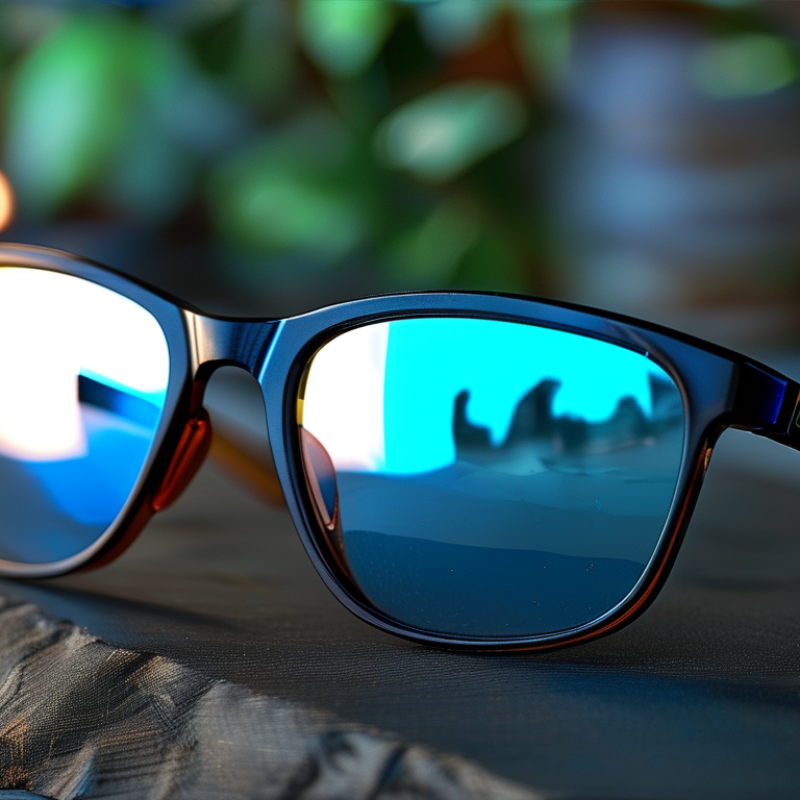
Understanding Blue Cut Lenses: Purpose and Benefits in Eye Protection
Blue cut lenses are gaining popularity due to their unique ability to filter harmful blue light. Many people experience digital eye strain from prolonged screen time. Blue light exposure has been linked to disrupted sleep patterns. Understanding blue cut lenses can help in choosing the right eyewear for your needs.
These lenses are designed to block a portion of blue light emitted by screens. This can reduce glare and improve visual comfort. Users often report less fatigue and discomfort when wearing these lenses. Additionally, they may assist in better quality sleep by minimizing blue light exposure before bedtime. However, it’s essential to choose wisely. Not all blue cut lenses are created equal.
When considering blue cut lenses, think about your daily routines. How much time do you spend on screens? Are your eyes feeling strained? Consultation with an eye care professional can be beneficial. They can provide tailored advice based on your unique circumstances, ensuring you get the best protection possible. Investing time in understanding these lenses is worthwhile, as the right choice can greatly impact your eye health.
Key Features to Look for When Selecting Blue Cut Lenses
When selecting blue cut lenses, it is essential to focus on key features. First, consider the lens material;
polycarbonate and high-index plastics are great choices. These materials are lightweight and provide impact resistance.
They also help in reducing eye strain during long screen time. Look for anti-reflective coatings too. These coatings improve clarity
and reduce glare. This ensures a comfortable viewing experience, especially in bright environments.
While selecting superior blue cut lenses, check the level of blue light filtration. Different lenses offer varying degrees of protection.
A higher percentage can be beneficial for those frequently exposed to digital screens. Also, pay attention to the lens tint. A slight tint
may enhance comfort without distorting colors. This is important, especially for those who engage in color-sensitive tasks.
Another critical aspect is the lens size and shape. Larger lenses provide more coverage, shielding from peripheral light.
Consider your frame style, as well. A well-fitted frame enhances the effectiveness of the lenses. Lastly, remember that not all blue
cut lenses are created equal. Always do your research and read reviews to make an informed decision. This will ensure that you choose
the right product for your needs.
Comparing Blue Cut Lens Materials: Glass vs. Polycarbonate
When choosing blue cut lenses, understanding the material is crucial. Glass lenses are known for their superior optical clarity. They resist scratches well and provide more durability. However, they tend to be heavier, which can be uncomfortable for all-day wear. They also break more easily, requiring careful handling.
Polycarbonate lenses offer a lighter alternative. They're impact-resistant, making them ideal for active lifestyles. These lenses are thinner and often provide better UV protection. However, they can scratch more easily without proper coatings. They may not deliver the same optical clarity as glass.
Ultimately, the choice depends on individual needs. Some users may prioritize comfort and weight. Others might look for durability and optical quality. Reflecting on personal preferences is essential. Making a choice means balancing these trade-offs.
Comparison of Blue Cut Lens Materials: Glass vs. Polycarbonate
The Role of Blue Light in Eye Health and Visual Comfort
Blue light has become a hot topic in discussions about eye health. This high-energy visible light is emitted by digital devices and energy-efficient bulbs. Studies suggest that excessive exposure to blue light may lead to digital eye strain, causing discomfort and fatigue. According to research published by the American Optometric Association, about 76% of adults experience symptoms related to prolonged screen time.
Many people overlook the importance of blue light in visual comfort. Prolonged exposure not only affects our eyes but can also disrupt sleep patterns. A survey by the Vision Council indicated that nearly 80% of Americans use digital screens for more than two hours each day. The blue light emitted from these devices can interfere with melatonin production, impacting sleep quality. Various studies encourage awareness regarding the effects of blue light on overall well-being.
When selecting blue cut lenses, consider how often you engage with screens. Look for lenses with a high percentage of blue light filtration. Some lenses effectively block up to 90% of blue light, enhancing visual comfort without compromising clarity. It's worth reflecting on your daily habits and making adjustments. Simple changes, like using blue-cut lenses, can lead to noticeable improvements in eye comfort and overall health.
Industry Standards and Certifications for Quality Blue Cut Lenses
When choosing blue cut lenses, it's crucial to consider industry standards and certifications. Quality blue cut lenses can protect your eyes from harmful blue light emitted by screens. The American National Standards Institute (ANSI) offers guidelines that ensure lenses meet specific performance criteria. By looking for ANSI certification, consumers can be assured of quality and safety.
In a recent study, researchers found that up to 50% of people experience digital eye strain. It emphasizes the need for effective lenses to filter out blue light. Different certifications, such as CE and FDA approvals, indicate compliance with safety and manufacturing standards. These certifications ensure lenses have been tested rigorously.
When selecting blue cut lenses, prioritizing lens quality is vital. Look for well-documented specifications. Ask about scratch resistance and anti-reflective coatings. Ensure the retailer provides clear information about the lenses. Be cautious of products that lack transparency. Verify the manufacturer's compliance with recognized standards. Reading customer reviews can also help gauge reliability.