What is the Best Type of Sunglass Lenses for Your Needs?
Choosing the right sunglass lenses can greatly enhance your outdoor experience. Dr. Emily Carter, an expert in optical science, once said, "The right lenses can transform how you see the world." With so many options available, it can be overwhelming to pick the right pair. Each lens type has unique features that cater to different needs.
Polarized lenses reduce glare, perfect for water sports enthusiasts. Photochromic lenses adjust to light changes, offering versatility. However, many still overlook the importance of UV protection, which is vital for eye health. Consider also the fit and comfort. Sometimes, people focus solely on style, neglecting the practical aspects of sunglass lenses.
Understanding your specific needs is crucial. Not every lens suits every activity or environment. It's okay to feel uncertain in your choices. Exploring options may lead to discoveries you didn't expect. Evaluating your lifestyle will guide your decision in finding the best sunglass lenses.

Types of Sunglass Lenses: An Overview
When choosing sunglasses, lens type is crucial. There are several options. Each serves distinct needs.
Polarized lenses reduce glare. They work well for water and snowy environments.
Statistics show that about 70% of outdoor enthusiasts prefer polarized lenses. These lenses enhance clarity significantly.
Photochromic lenses react to light. They darken in sunlight and lighten indoors. This versatility suits those who transition between environments. Although they are convenient, their performance may vary in extreme temperatures.
Some users report slower reaction times in colder weather.
Mirrored lenses not only offer style but also reflect harmful light. They are popular among athletes and outdoor workers. However, they can be costlier.
People often overlook the importance of UV protection. Data suggests nearly 25% of users underestimate UV damage. Awareness is key to making an informed choice.
Polarized Lenses: Benefits and Uses
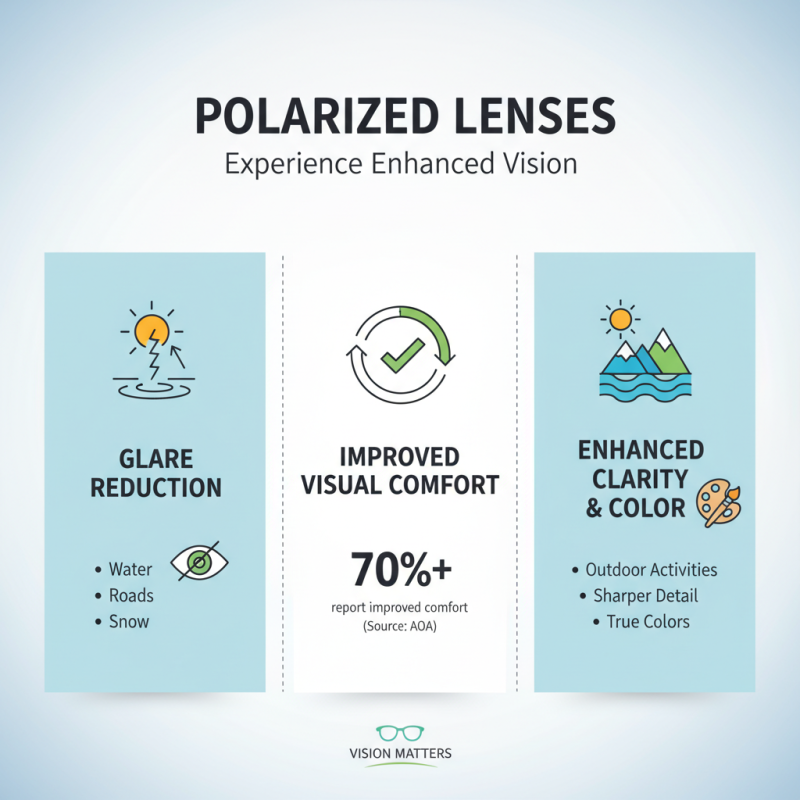
Polarized lenses have become increasingly popular due to their unique benefits. These lenses are designed to reduce glare from reflective surfaces, such as water, roads, and snow. According to a study by the American Optometric Association, over 70% of people experience improved visual comfort with polarized lenses. They enhance clarity and color perception, making them ideal for outdoor activities.
When choosing sunglasses, consider how polarized lenses might fit your lifestyle. For instance, if you enjoy fishing or skiing, polarized lenses can help you see into the water or snow more clearly. However, users should keep in mind that polarized lenses can sometimes distort the visibility of LCD screens, which might not suit everyone.
**Tips:** If you spend long hours outdoors, invest in polarized lenses. They offer protection against harmful UV rays, reducing the risk of eye damage. Also, remember to clean your lenses regularly. Dirt can obscure their effectiveness. Consider lens color based on your environment. Gray lenses maintain true color perception, while brown lenses enhance contrast.
Photochromic Lenses: Adapting to Changing Light Conditions
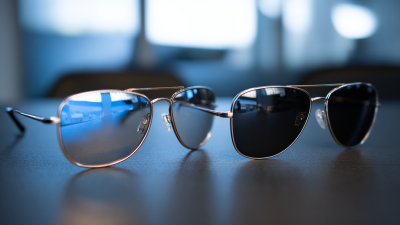
Photochromic lenses are a popular choice for many outdoor enthusiasts. These lenses automatically adjust to changing light conditions. When you step outside, they darken in bright sunlight. Inside, they become clear again, providing versatile vision.
Imagine hiking on a sunny day. The sun can be harsh, and your eyes need protection. With photochromic lenses, you don’t need to switch glasses. They offer convenience. But, are they perfect? Not always. Some lenses may take time to adjust. You might find yourself squinting before the lenses darken fully. This delay can be frustrating.
Additionally, these lenses might not be ideal for driving at night. Some users report they can cause glare when driving after sunset. These are aspects to consider before making a choice. While photochromic lenses offer adaptability, think about your specific needs. They suit many activities, but reflect on when and how you’ll use them.
Reflective Coatings: Enhancing Eye Protection and Style
Reflective coatings on sunglass lenses serve a dual purpose. They enhance eye protection while adding a stylish flair to your accessory. These coatings reflect light away, reducing glare in bright conditions. This feature is particularly valuable when driving or engaging in outdoor sports. Imagine wearing sunglasses that not only complement your outfit but also shield your eyes from harmful UV rays.
Choosing the right reflective coating can be tricky. Not every coating is created equal. Some might be too mirrored and distract from your natural beauty. Others can be overly dark, making it hard to see in low-light situations. Finding that perfect balance requires a personal touch. You may need to try several options before discovering which suits your needs best.
Furthermore, reflective coatings can wear off over time. This is an important consideration for those who prefer durability. Regular maintenance is necessary to prolong their effectiveness. Wearing sunglasses with scratched or faded coatings won't provide optimal protection. Reflective coatings may enhance your style, but they require attention and care to keep your eyes safe and your look sharp.
Choosing the Right Lenses for Different Activities and Environments
Choosing the right sunglass lenses can significantly impact your experience in various activities.
For athletes, polarized lenses may be ideal. They reduce glare from surfaces like
water or roads. This feature can help improve focus during sports. However, they may not be suitable for all situations.
Some find that these lenses distort vision under certain conditions.
For everyday wear, photochromic lenses can be appealing. They adjust to changing light, offering convenience.
Yet, they may take time to adapt. Transitioning from bright to dim light can feel slow. In windy environments, wraparound lenses offer extra protection.
However, they might not suit every face shape. It's essential to try different styles and evaluate their comfort.
When considering fashion, colored lenses can enhance your look. They can also affect how colors appear.
This aspect could be unexpected for some. The shade of the lens sometimes alters the perception of reality.
It's advisable to take time experimenting with various options. Personal preferences often play a major role.
Finding the right pair can involve some trial and error.