How to Choose the Best Anti Fatigue Lenses for Your Eyes?
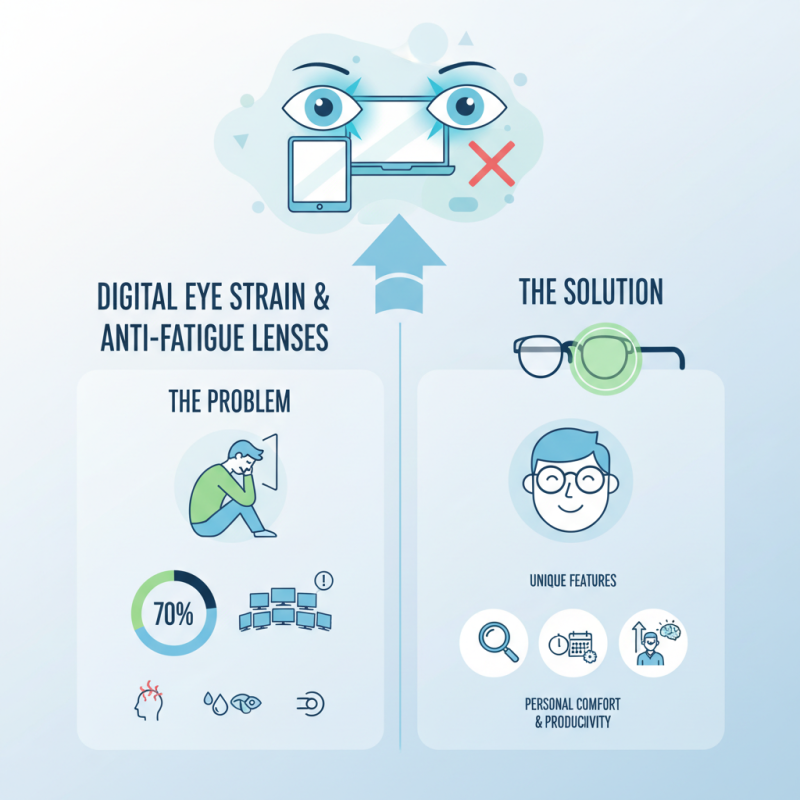
In today's digital age, fatigue has become a common concern for many. People spend hours in front of screens, leading to eye strain. According to a study by the Vision Council, nearly 70% of adults experience some form of digital eye strain. This issue highlights the importance of proper eye care. Anti Fatigue Lenses have gained popularity to combat these challenges.
Dr. Sarah Turner, a renowned optometrist, notes, "Choosing the right Anti Fatigue Lenses can significantly reduce discomfort and enhance productivity." Understanding the unique features of these lenses is crucial. They are designed to reduce strain and provide better visual comfort. However, many consumers are overwhelmed by the choices available.
Not all Anti Fatigue Lenses are created equal. Features vary widely, and selecting the wrong pair can lead to unresolved discomfort. It's essential to consider your personal needs and lifestyle. Reflection on your daily routine can guide your decision-making process. Investing time in understanding these lenses can lead to significant improvements in your daily comfort and productivity.
Understanding the Basics of Anti Fatigue Lenses
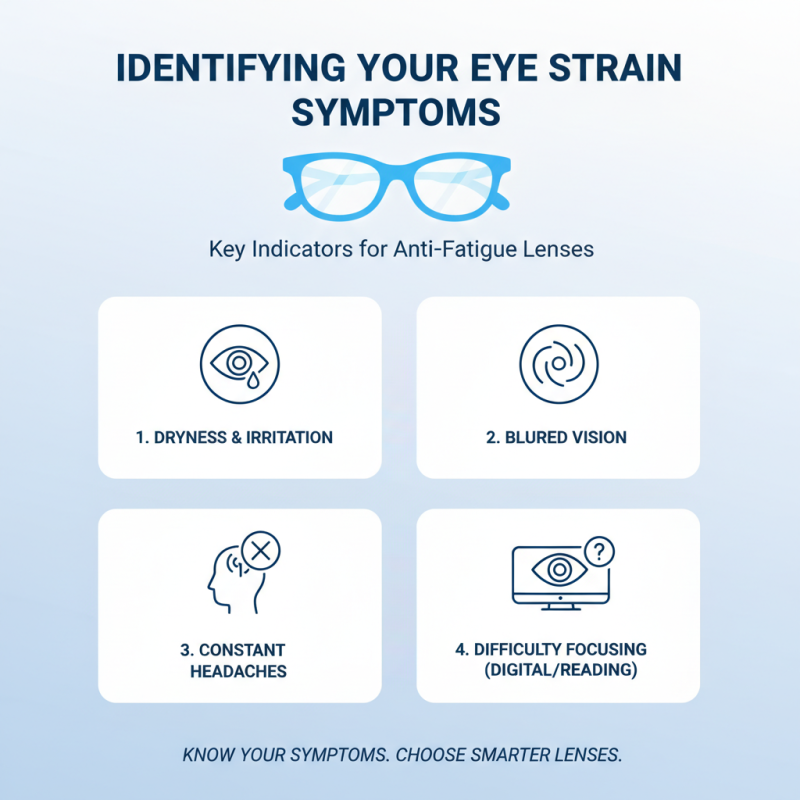
Anti-fatigue lenses are designed to reduce eye strain. They are particularly beneficial for those who spend long hours in front of screens. Studies indicate that over 70% of people report digital eye strain symptoms. Such symptoms include headaches, blurred vision, and dry eyes. Understanding the basics of these lenses can help you make a better choice.
Anti-fatigue lenses often include a slight magnification. This feature helps relax the eye muscles. Users may find they feel less fatigue after wearing them. These lenses can also reduce glare from screens. Optometrists suggest that anyone experiencing discomfort should consider them.
Tips: Take regular breaks from screens. Follow the 20-20-20 rule: every 20 minutes, look at something 20 feet away for 20 seconds. Pay attention to how you feel after wearing your lenses. If discomfort persists, revisit your eye care professional. Adjusting settings on your screen may also help.
Keep in mind, not every lens suits every situation. Clarify your needs with an expert. You might discover that what works for one person does not work for another. More research in this area continually uncovers new insights. Stay informed to choose wisely.
Evaluating Lens Materials and Coating Options
When selecting anti-fatigue lenses, it's essential to consider lens materials and coatings. Different materials can affect the durability and weight of the lenses. For example, polycarbonate is lightweight and impact-resistant. Glass, while heavy, offers superior optical clarity but can be prone to breakage.
Choosing the right coating can enhance your visual comfort. Anti-reflective coatings reduce glare, making screens easier to view. Blue light blocking coatings help filter out harmful light from digital devices, reducing eye strain during prolonged use. Be aware that some coatings can scratch easily, which may diminish their effectiveness over time.
Tips: Always try on lenses before purchasing. The right fit matters. Regularly clean your lenses to maintain their clarity. Consider your daily activities; active lifestyles may require more durable options. Evaluate your screen time and choose lenses that protect against blue light if necessary.
Considering Prescription Needs and Lens Types
When choosing anti-fatigue lenses, it's essential to consider your prescription needs. Everyone's eyes are unique. A personalized prescription ensures optimal vision and comfort. Blurred vision can lead to headaches or discomfort. Proper lens alignment can make a significant difference. Discuss your specific requirements with an eye care professional. They can guide you through the options.
Different lens types are available, each designed for specific situations. For instance, some lenses reduce glare while others enhance contrast. This can improve your visual experience during various activities. Bonus: blue-light blocking features may help reduce digital eye strain. Think about your lifestyle. Do you spend hours on a computer? Your choice should reflect your daily habits.
Remember that not all lenses work for everyone. Some may not provide the expected relief. It's important to try out different types and consult a specialist. If you feel your eyes still tire easily, maybe it’s time to explore new options. Finding the right lens is a journey. Don't be disheartened by trial and error. Your eyes deserve the best care possible.
Exploring Brands and User Reviews for Informed Choices
When choosing anti-fatigue lenses, user reviews are crucial. These insights often reveal real-life effectiveness. Many wearers report improved comfort during long hours of screen time. According to a survey by the American Optometric Association, nearly 60% of users experienced reduced eye strain with specialized lenses. This data emphasizes the importance of considering user experiences.
It’s essential to look for comprehensive reviews. Focus on aspects like clarity, comfort, and durability. However, remember, not all lens types suit every individual. Some users express dissatisfaction, citing insufficient relief from fatigue. This highlights the need to explore multiple options before settling on a pair.
Tips for finding effective anti-fatigue lenses involve assessing your unique needs. Consider your daily screen time and lighting conditions. Searching for testimonials from similar users can also guide your choice. Researching can be overwhelming, but look for platforms that aggregate user feedback. Reliable feedback often combines personal anecdotes with statistics. Pay attention to details in reviews, as subjective experiences can unveil valuable insights.
How to Choose the Best Anti Fatigue Lenses for Your Eyes?
| Lens Type |
Key Features |
User Rating |
Price Range |
| Blue Light Blocking |
Reduces eye strain, enhances contrast |
4.5/5 |
$100 - $200 |
| Anti-Glare |
Reduces reflections, improves clarity |
4.7/5 |
$120 - $250 |
| Photochromic |
Adapts to light changes, offers UV protection |
4.6/5 |
$150 - $300 |
| Digital Eye Strain Relief |
Specialized for screen use, reduces fatigue |
4.8/5 |
$130 - $220 |