Best Anti Fatigue Lenses for Eye Comfort and Clarity?
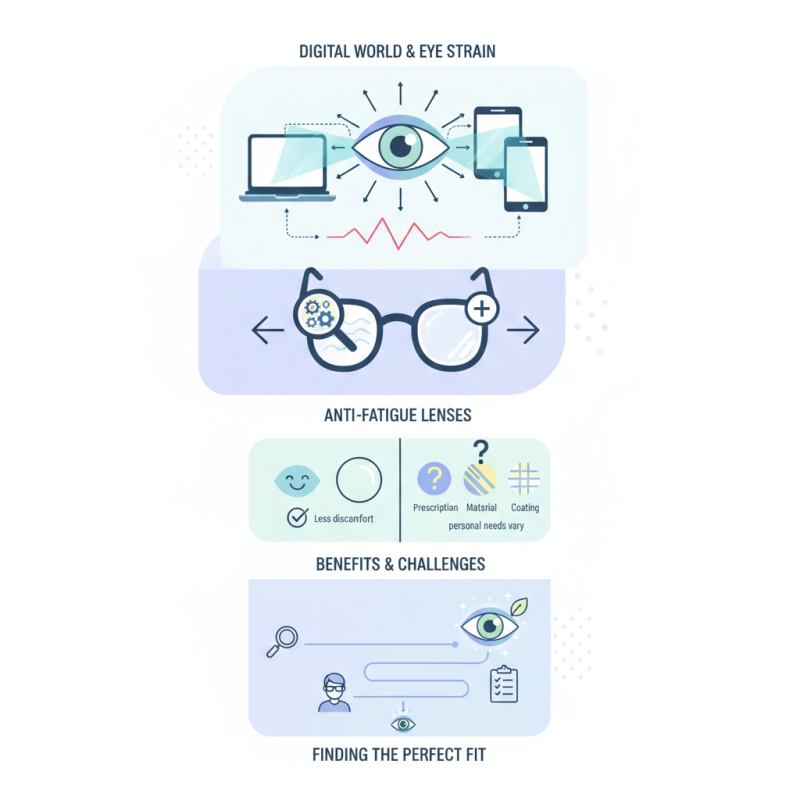
In today’s fast-paced digital world, eye strain is a common issue. Prolonged screen time can lead to discomfort and fatigue. This is where Anti Fatigue Lenses come into play. These lenses are designed to reduce eye strain effectively. Their unique technology can enhance visual comfort, especially for those who spend hours in front of screens.
With increased reliance on digital devices, understanding the benefits of Anti Fatigue Lenses is crucial. They help to ease the burden on our eyes. This innovation offers a practical solution for many. Users have reported clearer vision and less discomfort. However, choosing the right lenses can be challenging. Not all options are created equal, and personal needs vary.
Exploring the best Anti Fatigue Lenses involves both research and trial. It is important to consider factors such as prescription, lens material, and coating options. Finding the perfect fit can transform the way we see our digital world. Reflection is necessary here. Are we prioritizing eye health amid our daily routines? Embracing these lenses might be a step toward better eye comfort and clarity.
Understanding Anti-Fatigue Lenses: What They Are and How They Work
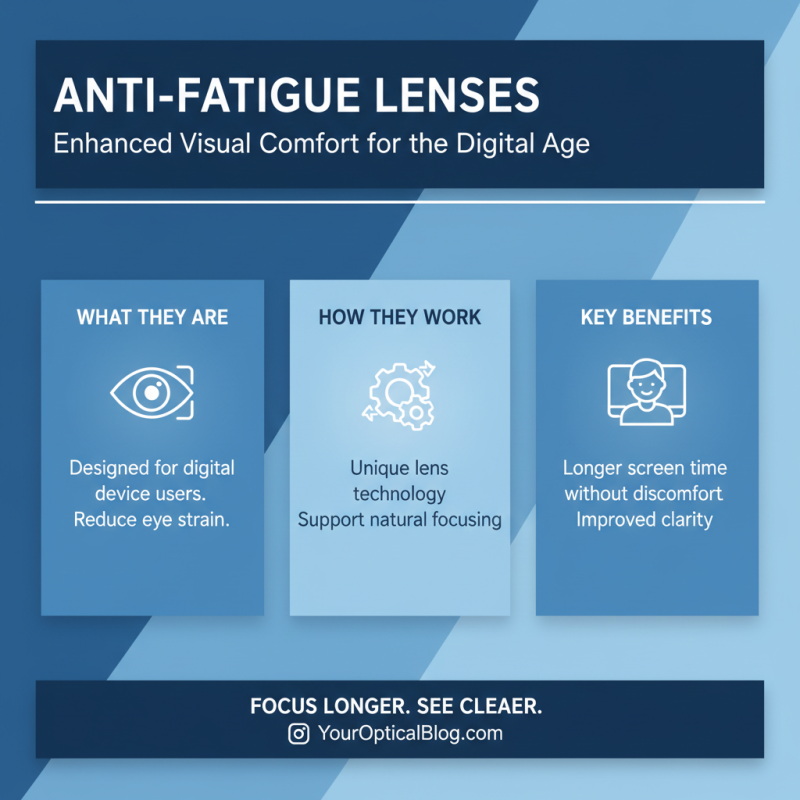
Anti-fatigue lenses are designed to enhance visual comfort, particularly for those who spend long hours in front of screens. These lenses incorporate unique technology that reduces strain and helps maintain clarity. They offer a more natural viewing experience, allowing users to focus longer without discomfort. This is increasingly important in a digital age filled with constant screen exposure.
The structure of anti-fatigue lenses includes specialized zones to support eye muscles. They transition smoothly between different focal points. This design allows for better engagement with nearby monitors while providing peripheral support. Users often report reduced eye fatigue and fewer headaches after using these lenses. However, finding the right pair may require some trial and error, as everyone has unique visual needs.
While these lenses can significantly improve comfort, they are not a cure-all. Some individuals may still experience discomfort after prolonged use. It is crucial to take regular breaks and practice the 20-20-20 rule: look at something 20 feet away for 20 seconds every 20 minutes. This simple habit complements the benefits of anti-fatigue lenses, creating a more holistic approach to eye care.
Key Features to Look for in Anti-Fatigue Lenses: A Comprehensive Guide
When selecting anti-fatigue lenses, several key features are essential for eye comfort and clarity. Look for lenses with blue light filtering capabilities. This feature can help reduce eye strain from screens. The right coating can significantly enhance visual comfort, making a difference during long hours of use.
Next, consider lens design. You might prefer progressive lenses that offer a seamless transition between different vision zones. Some people need distinct areas for reading and distance vision. Choosing the right design can dramatically improve daily activities.
Another aspect is the lens material. High-index materials can reduce thickness and weight. Lighter lenses feel more comfortable for extended wear. Keep in mind that each person’s needs vary. Personal preferences and lifestyle should guide your decision on which features to prioritize.
Best Anti Fatigue Lenses for Eye Comfort and Clarity
| Feature |
Description |
| Blue Light Blocking |
Filters out harmful blue light from screens to reduce eye strain. |
| Anti-Reflection Coating |
Reduces glare from screens and overhead lights for improved comfort. |
| Lightweight Material |
Made from lightweight materials for all-day wear without discomfort. |
| Adaptive Lenses |
Automatically adjusts tint based on lighting conditions for enhanced clarity. |
| Scratch Resistance |
Provides a durable surface to maintain lens clarity over time. |
| UV Protection |
Blocks harmful UV rays to protect the eyes from sun damage. |
| Custom Prescription |
Personalized prescription tailored to individual vision needs. |
| Anti-Fog Coating |
Prevents fogging in varying temperatures for clear visibility. |
Comparative Analysis: Top Brands and Their Anti-Fatigue Lens Technologies
In recent years, anti-fatigue lenses have gained popularity due to their promise of enhanced eye comfort. They serve as a remedy for the strain that often follows long hours of screen time. These lenses are designed to reduce the symptoms of digital eye strain, which include discomfort and blurred vision. The technology behind them varies, depending on the manufacturer’s approach.
Some brands utilize advanced materials to filter blue light, while others incorporate unique lens designs. This difference can dramatically affect how well they work in real-life scenarios. Users often report varying results. Some appreciate the sharpness during screen use, while others feel little change. It raises questions about the effectiveness of these technologies. Are the claims just marketing hype? The answer may lie in individual needs and experiences rather than a one-size-fits-all solution.
The choice of anti-fatigue lenses can be overwhelming. Many individuals find themselves confused by the options available. It's crucial to research and compare the technologies used by different brands. Seek professional advice, as eye comfort is essential for overall well-being. However, understanding your specific needs can make this process easier. Seeking out firsthand experiences from regular users can also provide valuable insights.
Industry Statistics: The Impact of Digital Eye Strain on Vision Health
Digital eye strain is a growing concern in today's screen-dominated world. Statistics reveal that over 70% of adults experience some form of eye discomfort caused by prolonged device usage. Symptoms include blurred vision, dry eyes, and headaches. The constant exposure to screens forces our eyes to work harder, leading to fatigue. This highlights the pressing need for solutions that prioritize eye health.
The impact of digital eye strain extends beyond discomfort. It can affect productivity and overall well-being. In workplaces, workers might struggle to focus and feel more fatigued, resulting in decreased efficiency. Some experts suggest taking regular breaks and practicing the 20-20-20 rule: every 20 minutes, look at something 20 feet away for at least 20 seconds. This simple habit could help alleviate some strain.
Investing in anti-fatigue lenses can be another practical approach. These lenses are designed to reduce glare and enhance visual comfort, making screen time more manageable. However, not everyone finds immediate relief. Some people may need to experiment with different solutions to discover what works best for them. Eye care routines should be tailored to individual needs.
Impact of Digital Eye Strain on Vision Health
Expert Recommendations: Choosing the Right Anti-Fatigue Lenses for You
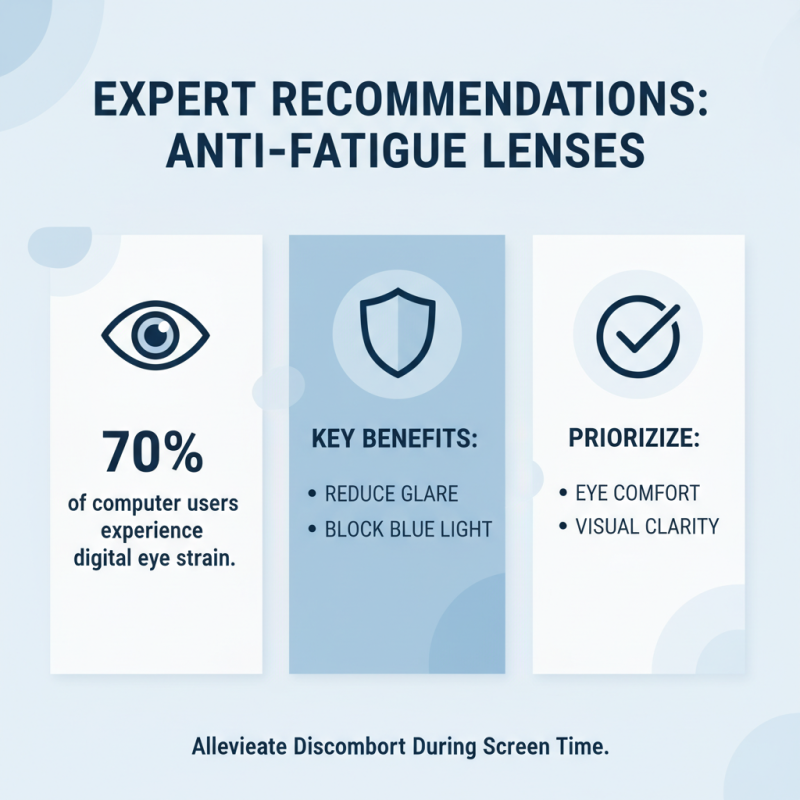
When considering anti-fatigue lenses, it’s crucial to prioritize your eye comfort and clarity. Recent studies report that nearly 70% of computer users experience digital eye strain. This highlights the rising demand for lenses designed to alleviate fatigue. These lenses often feature specialized coatings that reduce glare and block blue light. Such innovations can reduce discomfort during prolonged screen exposure.
Selecting the right anti-fatigue lenses hinges on individual needs and daily activities. Optometrists recommend computer glasses for those spending over six hours a day in front of screens. Customization may also involve lens curvature, prescription strength, and coating types. Research indicates that many users find relief from symptoms such as headaches and blurred vision after proper fittings. However, not all lenses deliver equal results, necessitating careful consideration.
Moreover, it is essential to consult with eye care professionals to identify the best options. Every individual has unique visual requirements. Some may need progressive lenses, while others might find single-vision lenses more suitable. The balance of comfort and clarity can be subjective. Using technology alone may not address all issues, prompting the need for regular eye exams and personalized evaluations.