Top Benefits of Polarized Lenses for Your Eyes and Outdoor Activities?
Polarized Lenses offer significant advantages for outdoor enthusiasts. Research indicates that over 75% of glare can be reduced when using these lenses. This can be especially crucial for activities such as fishing, skiing, and boating, where light reflects off water and snow. A recent study highlighted that glare can impair vision significantly, leading to accidents.
In addition, wearing Polarized Lenses can enhance color contrast. This feature helps in distinguishing objects better in bright environments. Many outdoor lovers note that, with polarized eyewear, they can see more vibrant colors and details. However, not all polarized lenses are created equal. It’s important to consider lens quality when selecting eyewear.
While the benefits are clear, some users find polarized lenses challenging in certain situations. For example, some digital displays may be difficult to read while wearing them. This can be frustrating in a tech-driven world. It's essential to balance the need for UV protection and comfort in various environments.
Top Benefits of Polarized Lenses for Your Eyes and Outdoor Activities
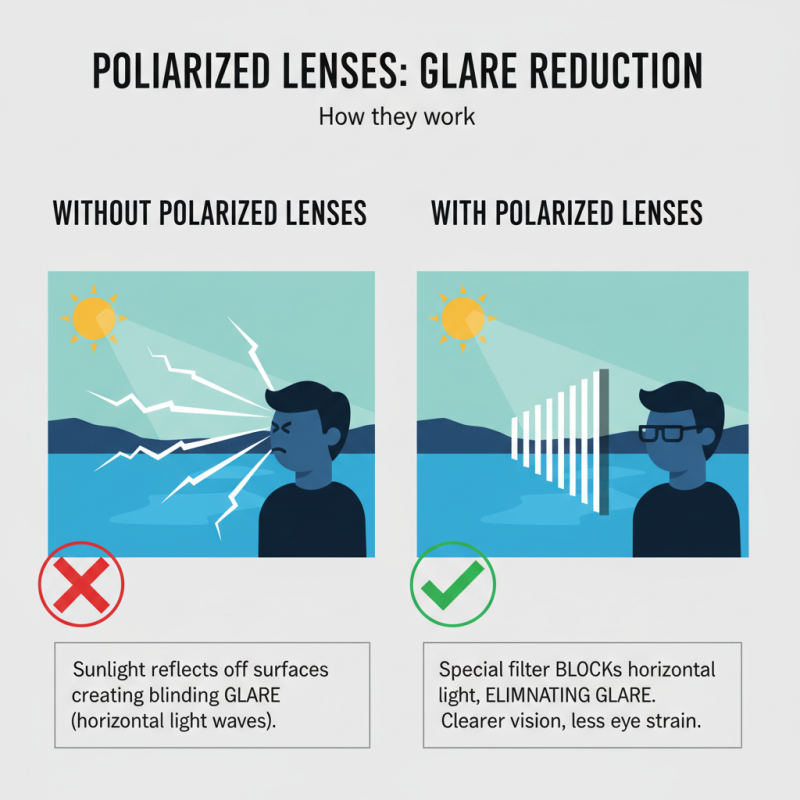
Polarized lenses are a game changer for outdoor activities. They reduce glare from reflective surfaces like water or roads. This makes them ideal for fishing, driving, or hiking. When the sun hits these surfaces, it creates horizontal light that can be blinding. Polarized lenses filter out this light, providing clearer vision and reducing eye strain.
For outdoor enthusiasts, polarized sunglasses enhance color contrast and improve depth perception. Imagine going for a hike. You can see the vibrant greens of trees and the blue sky more vividly. These lenses allow you to notice details that you might otherwise miss. However, they can sometimes distort your view of screens, like smartphones or GPS devices. This is a downside that users should consider.
Additionally, wearing polarized lenses protects your eyes from UV rays. Long exposure can lead to serious issues. However, they don’t completely replace the need for regular eye check-ups. It’s crucial to acknowledge that while polarized lenses offer many benefits, they may not be suitable for every situation. Balance is key. Embrace the advantages while being aware of their limitations.
Understanding Polarization: How Polarized Lenses Work to Reduce Glare
Polarized lenses are designed to reduce glare. They work through a special coating that filters out horizontal light waves. This is particularly useful on sunny days or near reflective surfaces like water. When sunlight hits these surfaces, it bounces in various directions. Without polarized lenses, this glare can hinder visibility and cause eye strain.
Wearing polarized lenses improves clarity and contrast. When you wear them, the world appears more vivid. Colors pop, and fine details become clearer. For outdoor activities like fishing or skiing, this clarity is essential. However, it’s worth noting that polarized lenses can sometimes make it difficult to see screens or dashboard displays. This is an important factor to consider, especially if you depend on technology while outdoors.
Not everyone prefers polarized lenses. Some find the altered perception disorienting. They can feel too dark in low-light conditions. It’s essential to try them in different environments. Personal experience matters. Reflect on what activities you engage in most frequently. This can guide your choice regarding polarized lenses.
Enhancing Visual Comfort: The Impact of Polarized Lenses on Eye Strain
Polarized lenses significantly improve visual comfort, especially in bright outdoor settings. They reduce glare from reflective surfaces, such as water and roads. According to a report by the American Optometric Association, nearly 60% of individuals experience eye strain due to excessive glare. This can lead to headaches and fatigue, impacting overall enjoyment during outdoor activities.
Using polarized lenses can mitigate these effects. They block intense light, enhancing clarity and depth perception. A study published in the Journal of Vision found that polarized lenses can improve visual acuity by up to 30%. This enhancement allows for a more comfortable experience while engaging in activities like fishing or skiing. Yet, not everyone understands how or when to use polarized lenses. Some people still face difficulties when transitioning between indoor and outdoor settings.
Choosing polarized lenses is often a personal journey. Some users may find them beneficial, while others may not notice a significant difference. Finding the right pair can be tricky and requires thoughtful consideration. Eye care professionals often recommend trying various options to determine what works best for individual needs. This process highlights the importance of personal experience in the quest for optimal eye comfort outdoors.
Top Benefits of Polarized Lenses for Your Eyes and Outdoor Activities
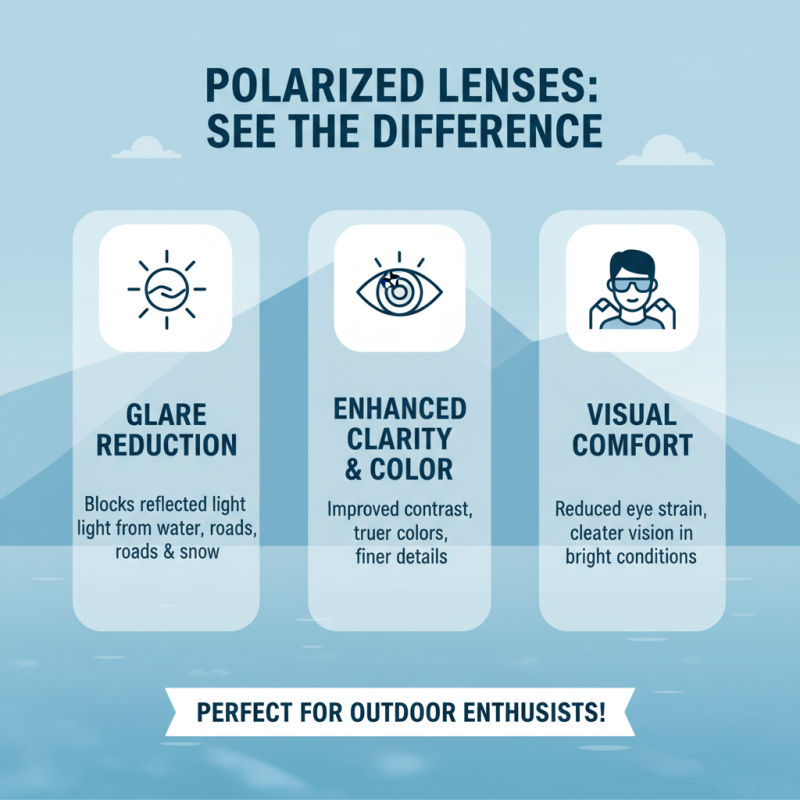
Polarized lenses offer significant advantages for outdoor activities, particularly in reducing glare and enhancing visual comfort. The chart above illustrates the various benefits of polarized lenses that can improve your eye health and overall visual experience during outdoor activities.
Improved Clarity and Color Perception: The Advantages of Polarized Lenses
Polarized lenses offer remarkable benefits, especially for outdoor enthusiasts. They significantly improve clarity and color perception, making every scene more vibrant. When light reflects off surfaces like water or pavement, it can create glare. Polarized lenses reduce this glare, enhancing visual comfort. You'll notice details in your surroundings that you might have missed otherwise.
One tip is to choose polarized lenses for activities like fishing or skiing. These lenses can help you see beneath the water's surface or spot icy patches on the slopes. When wearing these lenses, colors appear more vivid. The blue sky seems bluer, and the greens of nature pop out. This heightened perception adds joy to outdoor experiences.
However, not all polarized lenses are created equal. Some might be too dark, distorting your view. It’s essential to test them before committing. Reflection can also lead to increased eye strain if the lenses don’t block UV rays effectively. Always balance style and functionality when selecting your lenses for outdoor adventures.
Protecting Your Eyes: UV Defense and the Role of Polarized Lenses
Polarized lenses are essential for outdoor activities and eye health. They filter out glare from reflective surfaces, such as water, roads, and snow. This feature enhances visibility, improving safety during activities like boating and skiing. A report from the American Medical Association highlights that glare can cause temporary vision impairment, emphasizing the need for protective eyewear.
Moreover, polarized lenses offer vital UV defense. Prolonged exposure to UV rays can lead to serious eye conditions, including cataracts and macular degeneration. Studies indicate that wearing sunglasses with UV protection reduces these risks by over 50%. Many people underestimate the dangers of UV radiation. A survey found that only 35% of adults regularly wear sunglasses outdoors.
While polarizing lenses provide substantial benefits, some may misunderstand their limitations. They do not improve contrast in all situations. For example, when viewing LCD screens, polarized lenses can distort images. Users need to be aware of these potential drawbacks. Awareness is key to selecting the right eyewear for different environments. Understanding both the pros and cons of polarized lenses can enhance your outdoor experience.
Conclusion
Polarized lenses offer numerous benefits for eye health and outdoor activities by effectively reducing glare and enhancing visual comfort. By understanding the principle of polarization, these lenses enhance clarity and color perception, making them essential for activities like driving, fishing, and outdoor sports. They significantly minimize eye strain, allowing for longer periods of comfortable viewing under bright conditions.
In addition to improving visual performance, polarized lenses also provide vital UV protection, safeguarding the eyes from harmful rays. Statistically, athletes and outdoor enthusiasts have reported marked improvements in their performance thanks to the superior visual quality offered by these lenses. Overall, the advantages of polarized lenses make them a worthwhile investment for anyone seeking to enhance their outdoor experiences and protect their eyes.