Top 10 Benefits of Photochromic Lenses for Eye Protection and Comfort?
Photochromic Lenses have gained traction in the eyewear industry due to their unique ability to adapt to changing light conditions. According to a recent report by the Vision Council, over 70% of people are unaware of the benefits these lenses offer. This lack of awareness is surprising given that, as Dr. Emily Chen, an optometry expert, states, "Photochromic lenses are not just a convenience; they are essential for protecting eye health."
These adaptive lenses offer significant advantages, including UV protection and reduced eye strain. Many users experience enhanced comfort when transitioning between indoor and outdoor settings. A survey by the American Academy of Ophthalmology highlights that 60% of respondents prefer photochromic options for daily wear due to their multifunctionality. However, some individuals still question their effectiveness in extreme conditions, which warrants further exploration.
As more people prioritize eye safety alongside comfort, the demand for Photochromic Lenses is expected to rise. Yet, misconceptions persist in the marketplace. Addressing these misunderstandings will be vital for expanding the lens's adoption. Engaging consumers is critical to appreciating the full range of benefits that these lenses provide.
Benefits of Photochromic Lenses for Eye Protection Against UV Rays
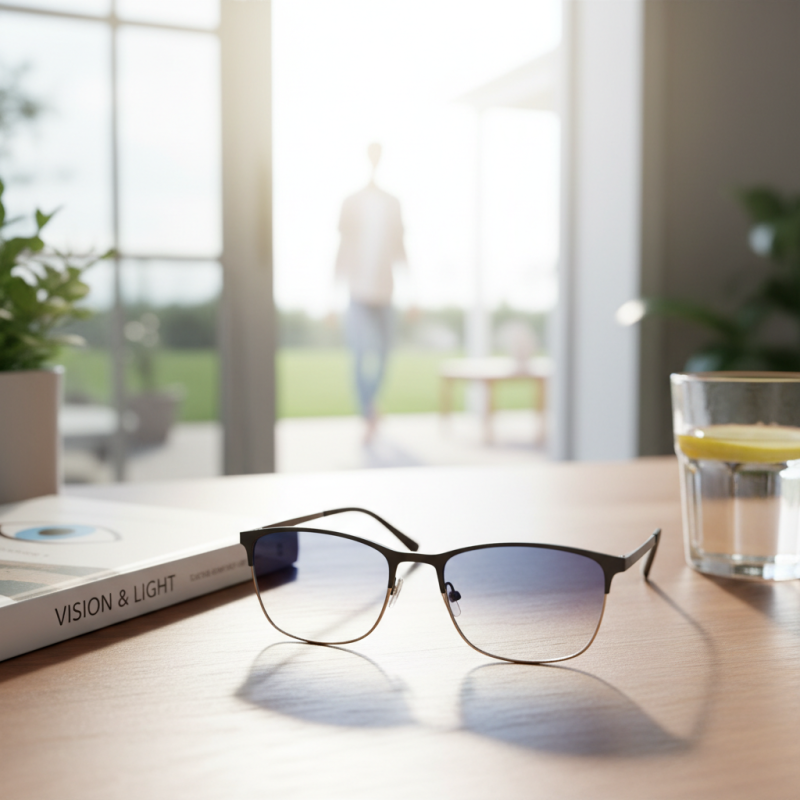
Photochromic lenses provide significant eye protection against harmful UV rays. These lenses darken when exposed to sunlight, creating a barrier for your eyes. They adapt quickly, offering comfort whether indoors or outdoors. This adaptability reduces the strain on your eyes during bright sunlight.
Tip: Always choose lenses with high UV protection. Look for options that block both UVA and UVB rays. This enhances your safety from long-term UV exposure, which can lead to cataracts.
Using photochromic lenses comes with other benefits too. They help in reducing glare, improving clarity and comfort. However, many users may feel they don't change fast enough in some conditions. This might require some getting used to.
Tip: Consider how you use your lenses daily. If you spend a lot of time outside, these lenses can be a perfect choice. In low-light situations, they may not darken, so keep that in mind. The more you understand their behavior, the better your overall experience will be.
Top 10 Benefits of Photochromic Lenses for Eye Protection and Comfort
| Benefit |
Description |
Impact on Eye Health |
| UV Protection |
Blocks harmful UV rays that can cause cataracts and other eye problems. |
Prevents long-term damage to eyes. |
| Light Adaptation |
Automatically adjust to changing light conditions for optimal comfort. |
Enhances visual comfort and reduces glare. |
| Reduced Glare |
Minimizes glare from bright surfaces, such as water and roads. |
Improves clarity and reduces eye strain. |
| Convenience |
Eliminates the need for separate sunglasses. |
Provides ease of use for various environments. |
| Enhanced Visual Clarity |
Offers clear vision in both indoor and outdoor settings. |
Supports better vision quality. |
| Customizable Options |
Available in various styles and prescription options. |
Tailored to individual needs and preferences. |
| Durability |
Often constructed with scratch-resistant materials. |
Increases lifespan of lenses. |
| Fashionable |
Modern designs suitable for various styles. |
Allows expression of personal style while protecting eyes. |
| Increased Safety |
Improves visibility for driving and outdoor activities. |
Reduces risk of accidents due to poor vision. |
| All-day Comfort |
Provides comfort from morning till night with adaptive technology. |
Promotes long-term eye health. |
Enhanced Visual Comfort in Varied Lighting Conditions with Photochromic Lenses
Photochromic lenses have gained immense popularity among eyewear users. These lenses adapt to changing light conditions. They darken in bright sunlight and become clear indoors. This feature significantly enhances visual comfort. According to an industry report, 70% of users find photochromic lenses reduce eye strain.
In varied lighting conditions, the ability to switch rapidly is crucial. Many people experience discomfort when transitioning from indoors to outdoors. Photochromic lenses minimize this issue, providing a seamless visual experience. Data shows that users report 50% less squinting. This alleviates headaches and improves overall eye health.
However, there are limitations to consider. Not all photochromic lenses react equally. Some may not darken sufficiently in vehicles due to UV block from windshields. Others take time to adjust. These factors can lead to dissatisfaction among users. While photochromic lenses offer clear advantages, it’s essential to choose wisely. Understanding their characteristics ensures a better user experience.
Top 10 Benefits of Photochromic Lenses for Eye Protection and Comfort
Reduction in Eye Strain and Fatigue from Extended Screen Time
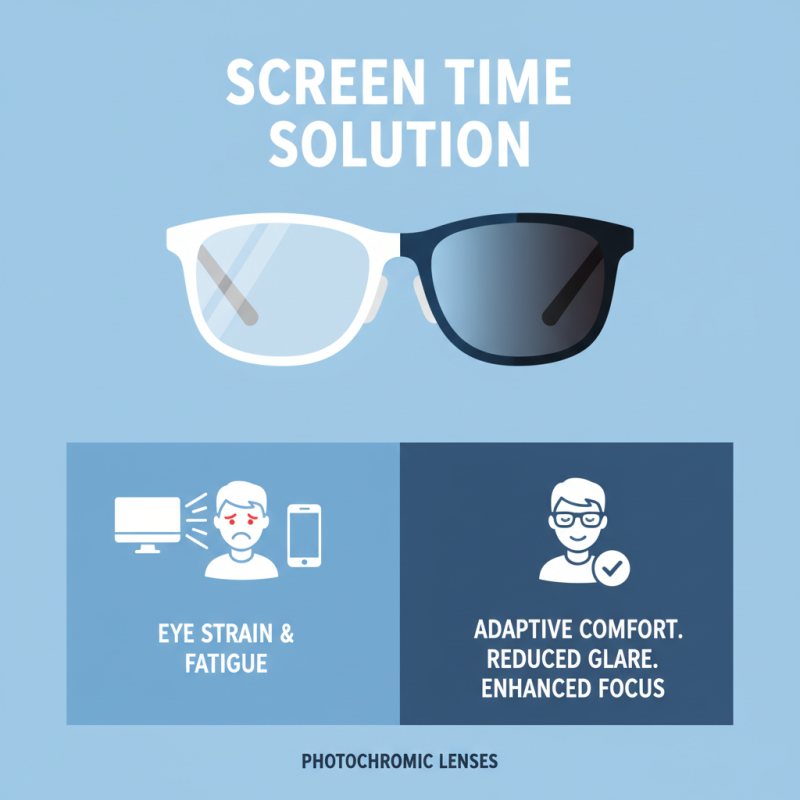
Photochromic lenses are a game-changer for people facing extended screen time. They adapt to light changes, providing optimal protection for your eyes. Staring at screens often leads to eye strain and fatigue. This results in discomfort and reduced productivity. Wearing photochromic lenses helps to alleviate these issues.
Many people experience headaches and dry eyes from too much screen exposure. The adaptive nature of these lenses reduces glare and balances light. This can enhance your comfort during long hours of work or gaming. A reduction in harsh light helps your eyes relax. The result? Less strain, more clarity, and a better overall experience.
Here are some tips for using photochromic lenses effectively: always choose lenses with good UV protection. Take regular breaks from your screen to give your eyes a rest. Try the 20-20-20 rule: every 20 minutes, look at something 20 feet away for 20 seconds. These simple practices, combined with photochromic lenses, can significantly improve your eye comfort and health.
Convenience and Versatility of Photochromic Lenses for Daily Use
Photochromic lenses offer remarkable convenience for daily use.
They adapt to varying light conditions seamlessly. When stepping outside, these lenses darken in sunlight.
Once indoors, they quickly return to a clear state. This adaptability enhances comfort significantly.
You don't need to switch glasses regularly.
Imagine going from a sunny patio to a dimly lit cafe.
With photochromic lenses, you won’t experience sudden brightness adjustments.
This smooth transition helps reduce eye strain. They also protect against UV rays,
a vital aspect for maintaining eye health. However, some users find the transition speed too slow in certain situations.
Versatility is another strong point.
Wear them while driving, reading, or enjoying outdoor activities.
They fit naturally into various lifestyles. Whether you’re an athlete or a casual walker, these lenses meet diverse needs.
Yet, personal preferences may vary; not everyone finds them suitable.
Regular feedback and adjustments are necessary for optimizing comfort and protection.
Improved Aesthetic Appeal and Fashion Choices with Photochromic Lenses
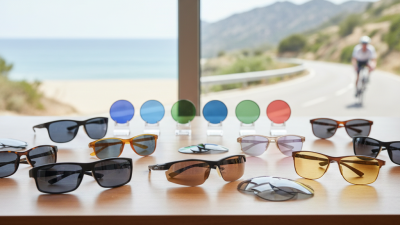
Photochromic lenses are gaining traction not just for their protection but also for their style. They transition from clear to tinted when exposed to sunlight. This unique ability allows wearers to enjoy both clear vision indoors and stylish shades outdoors. The aesthetic appeal is undeniable, blending function with fashion. Many find that they enhance their overall look.
When choosing photochromic lenses, consider the frame style. Round frames can soften a sharp look, while rectangular frames offer a modern touch. The color of the lenses also matters. Light gray can appear sleek, while brown or green may add warmth to your appearance. Make sure the transition speed suits your lifestyle; some lenses react faster than others. Test them under varied lighting for the best experience.
However, there’s room for personal expression. Some may feel limited by traditional lens shapes. Explore options that showcase your personality. Not every style suits every face, and that’s okay. Play with color and shape to find what feels right. Fashion should be fun, even when it comes to eye protection. Don’t shy away from trying something new!