Why Choose Tinted Lenses? Benefits and Tips for the Best Options
When it comes to eyewear, tinted lenses have gained significant popularity for their multifaceted benefits and stylish appeal. These lenses not only enhance visual comfort by reducing glare and improving contrast but also offer added protection against harmful UV rays. Whether you are an outdoor enthusiast, a fashion-forward individual, or someone who simply values the clarity of vision, tinted lenses can cater to various needs and preferences.
Choosing the right tinted lenses can be a transformative experience, as they come in a wide array of colors, shades, and types, each serving distinct purposes. With the right selection, you can enjoy enhanced visual performance while making a bold fashion statement. This article will delve into the numerous advantages of tinted lenses, including their role in reducing eye strain and fatigue, as well as their capacity to elevate your overall look. Furthermore, we will provide essential tips to help you choose the best options suited to your lifestyle and aesthetic desires, ensuring that you reap the maximum benefits from your tinted lenses.
Understanding Tinted Lenses: Definitions and Types
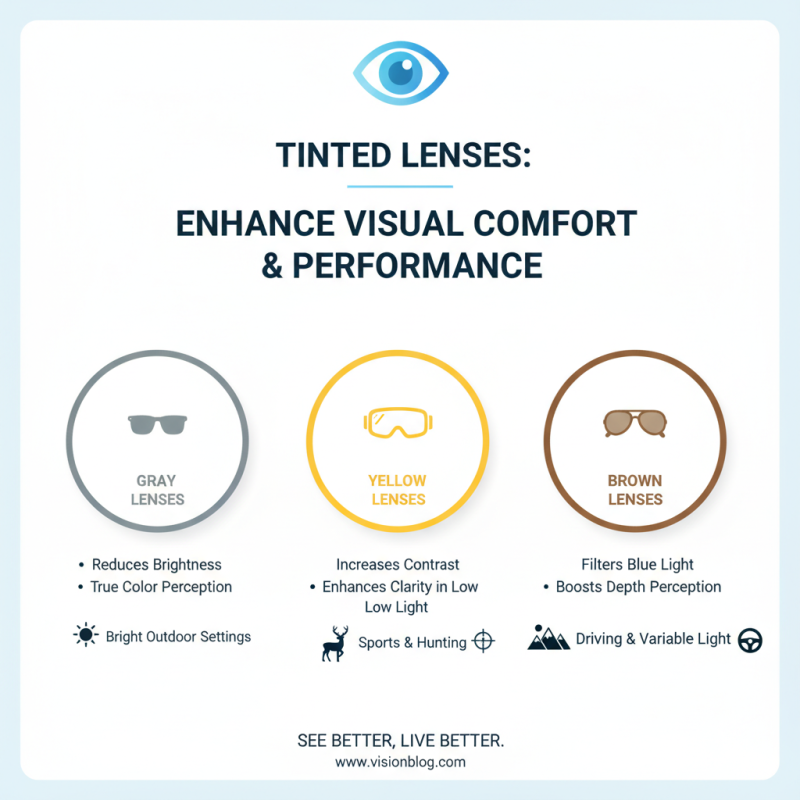
Tinted lenses are specialized eyewear that enhance visual comfort and performance in various lighting conditions. These lenses come in different colors and shades, each designed to address specific needs. For instance, gray lenses reduce brightness without distorting colors, making them ideal for users in bright outdoor settings. Yellow lenses are popular for their ability to increase contrast, making them a favorite among sports enthusiasts and hunters. Brown lenses also filter out blue light, providing depth perception benefits.
When selecting tinted lenses, consider the specific activities you’ll be engaging in. If you spend a lot of time outdoors, look for lenses with a UV protection rating to safeguard your eyes from harmful rays. Additionally, polarization can be a valuable feature, minimizing glare from reflective surfaces like water or roads. For everyday use, light tints might be more comfortable, allowing for a natural color balance while still providing some glare reduction.
Always consult with an eye care professional to ensure you choose the best type of tinted lenses for your lifestyle and vision requirements. They can provide valuable insight into the latest lens technologies and help tailor your choices to enhance your overall visual experience.
Benefits of Tinted Lenses: Eye Protection and Comfort
Tinted lenses have gained popularity for their numerous benefits, particularly in enhancing eye protection and comfort. One of the main advantages of tinted lenses is their ability to block harmful UV rays from the sun. Extended exposure to UV radiation can lead to serious eye conditions, including cataracts and macular degeneration. By choosing tinted lenses with proper UV protection, wearers can significantly reduce the risk of such issues while enjoying outdoor activities, thus promoting overall eye health.
In addition to UV protection, tinted lenses also improve visual comfort. They can help reduce glare from reflective surfaces, making tasks like driving or skiing much safer and more enjoyable. Different tints can enhance contrast and depth perception, allowing for a clearer view in varying lighting conditions. For instance, amber or yellow tints are excellent for enhancing visibility in low-light environments, while gray tints provide overall color balance. By selecting the right tint based on individual needs and the specific activities they engage in, users can enjoy a more comfortable and visually appealing experience.
Scientific Research on the Impact of Tinted Lenses on Visual Health
Recent scientific research has shed light on the significant impact tinted lenses can have on visual health. Various studies have indicated that tinted lenses, especially those with specific color tints, can enhance contrast and improve overall visual comfort. For instance, yellow or amber tints are known to filter out blue light, which can reduce glare and eye strain, particularly in bright or overly illuminated environments. This can be especially beneficial for individuals who spend a lot of time outdoors or in front of screens, as it can help safeguard against the adverse effects of prolonged exposure to intense light sources.
Moreover, tinted lenses also play a crucial role in protecting against harmful ultraviolet (UV) rays. Research has shown that extended exposure to UV light can lead to serious eye conditions such as cataracts and macular degeneration. Tinted lenses that offer 100% UV protection help mitigate these risks, allowing individuals to enjoy outdoor activities without compromising their eye health. The combination of visual enhancement and UV protection makes tinted lenses a valuable option for those looking to maintain optimal visual health while enjoying their daily activities.
Choosing the Right Tint: Factors to Consider for Optimal Use
When choosing tinted lenses, several factors should be considered to ensure optimal use and comfort. One of the most important aspects is the specific tint color. According to a report by the American Academy of Ophthalmology, different colors can filter light differently; for example, gray tints reduce overall brightness without distorting color, making them ideal for general outdoor use. Yellow or amber tints enhance contrast and depth perception, which is particularly beneficial for sports enthusiasts or those driving in foggy conditions.
Additionally, one must pay attention to the lens material and UV protection. A study by the Vision Council found that 73% of consumers are not aware of the implications of lens materials on visual comfort and UV shielding. It's essential to select tinted lenses that not only fit your fashion preferences but also offer 100% UV protection to safeguard your eyes from harmful rays.
**Tips:** When selecting your tinted lenses, consider trying on various colors to see how they affect your vision and comfort. Always look for lenses that can block both UVA and UVB light, and consult an eye care professional to find the best tint that matches your lifestyle and visual needs.
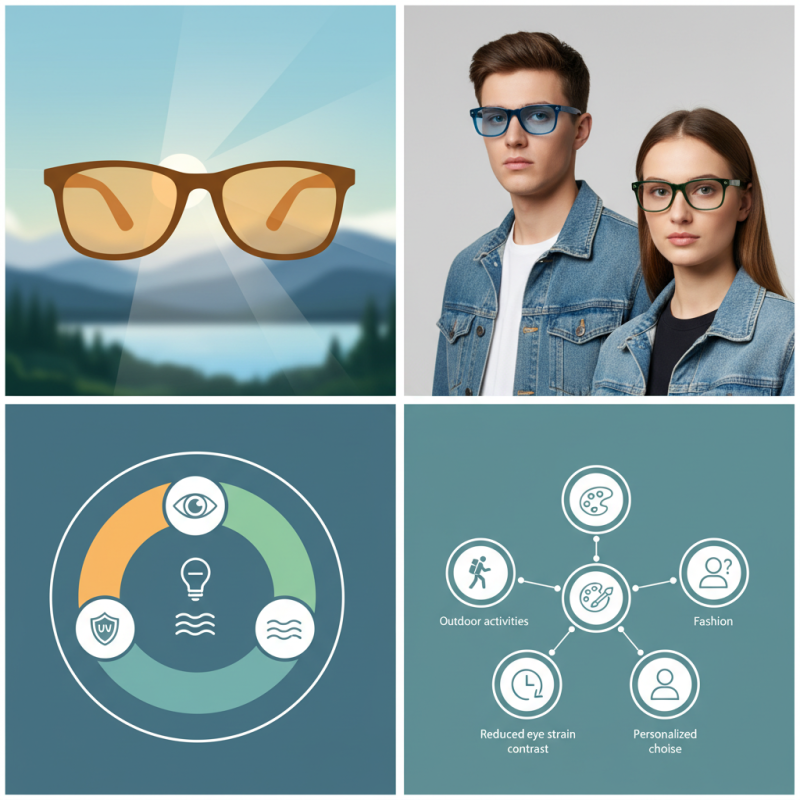
Benefits of Tinted Lenses by Use Case
Practical Tips for Maintaining and Caring for Tinted Lenses
When it comes to tinted lenses, proper maintenance and care are crucial for ensuring longevity and optimal performance.
According to a report by the Vision Council, nearly 45% of consumers using tinted lenses experience issues related to lens performance over time.
To combat this, it is essential to clean your tinted lenses regularly with a microfiber cloth to avoid scratches and preserve the tint quality.
Cleaning solutions specifically designed for eyewear should be used to prevent damage to the lens coatings.
Additionally, storing tinted lenses in a protective case when not in use can significantly prolong their lifespan.
The American Academy of Ophthalmology advises against leaving tinted lenses exposed to direct sunlight for extended periods, as this can cause fading and deterioration of the tint.
Moreover, periodic checks for UV protection can also enhance their effectiveness, as a study by the American Optometric Association noted that the right tint can block up to 100% of harmful UVA and UVB rays, protecting both your eyes and the integrity of your lenses.