2025 Guide: How to Choose the Best Tinted Lenses for Your Needs
Choosing the right tinted lenses can significantly enhance your visual experience, whether you are driving, engaging in outdoor sports, or simply enjoying a day at the beach. The increasing variety of tinted lenses available in the market presents both an opportunity and a challenge for consumers. With options ranging from prescription sunglasses to specialty lenses designed for specific activities, understanding what tinted lenses best suit your needs is crucial.
In this guide, we will explore the various factors to consider when selecting tinted lenses, including tint color, lens material, and UV protection. Each tint color serves a different purpose and can impact your visual comfort and performance in unique ways. For example, gray lenses generally reduce overall brightness while preserving color accuracy, making them an excellent choice for general use. Meanwhile, amber and yellow tints can enhance contrast in low-light conditions, suitable for activities such as skiing or shooting.
By understanding the key features of tinted lenses, you can make an informed decision that not only protects your eyes but also enhances your visual clarity according to your lifestyle needs. This guide aims to arm you with the knowledge necessary to select the best tinted lenses for a clear and enjoyable visual experience.
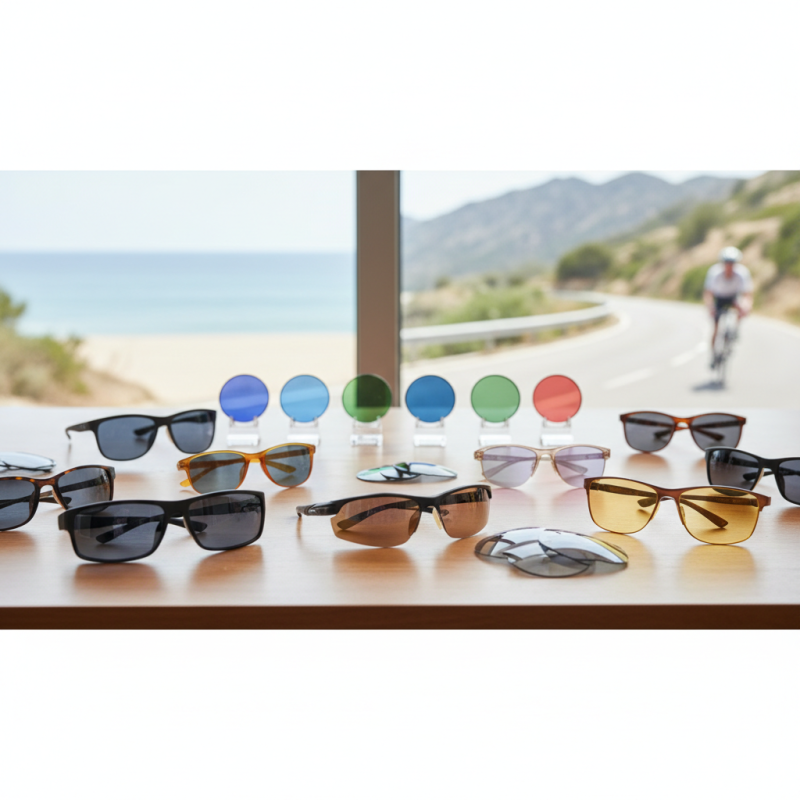
Understanding Tinted Lenses: Types and Benefits
Tinted lenses are a popular choice for eyewear due to their various types and benefits, catering to different needs and preferences. One of the main types of tinted lenses includes sunglasses, which are designed primarily to reduce glare and protect the eyes from harmful ultraviolet (UV) rays. These lenses come in a range of colors and darkness levels, allowing users to choose based on their level of light sensitivity and the environment in which they will be used. Darker tints, such as gray or brown, are often ideal for bright, sunny conditions, while lighter tints can enhance contrast in overcast or low-light situations.
Another significant category includes blue light filtering lenses, which are increasingly popular among those who spend extended time in front of screens. These lenses are specifically designed to block a portion of the blue light emitted by digital devices, potentially reducing eye strain and improving visual comfort. Additionally, certain types of tinted lenses can enhance specific colors, making them beneficial for activities like sports or driving, where color perception is crucial. Understanding the different types of tinted lenses and their respective benefits is essential for selecting the right option tailored to individual lifestyle needs and visual preferences.
Identifying Your Specific Needs for Tinted Lenses
When it comes to selecting tinted lenses that best meet your needs, the first step is to identify your specific requirements. Color perception can greatly impact how we interact with our environment, whether for sports, driving, or everyday use. According to a report from the Vision Council, over 70% of consumers report that they rely on tinting for activities that require enhanced visibility and comfort. By understanding the lighting conditions you typically encounter, such as bright sunlight or low-light environments, you can make a more informed choice about the lens tint that will benefit you the most.
Another factor to consider is the degree of color distortion that different tints can cause. The American Academy of Ophthalmology suggests that while certain tints can enhance contrast and reduce glare, they may also alter color perception. For example, gray lenses can reduce overall brightness while preserving natural color balance, making them ideal for driving and general wear. In contrast, yellow or amber tints improve contrast in low-light conditions but may affect the perception of colors such as blue. Thus, identifying the environments and activities where you intend to use the tinted lenses will help you choose a tint that optimally suits your lifestyle and visual needs.
2025 Guide: How to Choose the Best Tinted Lenses for Your Needs
| Lens Color |
Best For |
Benefits |
Drawbacks |
| Brown |
Outdoor Activities |
Improves contrast and depth perception |
Can cause color distortion |
| Gray |
General Use |
Reduces overall brightness without color distortion |
May not enhance contrast as much as other colors |
| Yellow/Gold |
Low Light Conditions |
Enhances contrast and depth in low light |
Not suitable for bright sunlight |
| Green |
Outdoor Sports |
Reduces glare and enhances contrast |
Can be dark in low light |
| Blue |
Fashion and Style |
Trendy and visually appealing |
Doesn't offer specific functional benefits |
Evaluating Lens Color Choices and Their Effects
When selecting tinted lenses, understanding the effects of different lens colors is crucial for meeting your specific needs. Each tint can enhance or diminish visibility under various lighting conditions, which is essential for activities such as driving, sports, and everyday wear. For example, gray lenses provide true color perception and are effective in bright sunlight, making them ideal for outdoor activities. On the other hand, brown or amber tints can enhance contrast and depth perception, which is beneficial in variable light conditions, such as driving at dusk or dawn.
Moreover, the psychological impact of lens color should not be overlooked. Certain colors, like blue, can create a calming effect, while brighter hues may stimulate a more energetic mood. Furthermore, yellow and orange lenses are known to improve contrast and enhance clarity in low-light environments, making them popular choices for skiing or cycling. It’s important to consider how these colors can affect both your visual comfort and overall well-being when making your selection. Understanding the implications of lens color can guide you in choosing tinted lenses that not only protect your eyes but also enhance your daily activities.
Considering Prescription vs. Non-Prescription Tinted Lenses
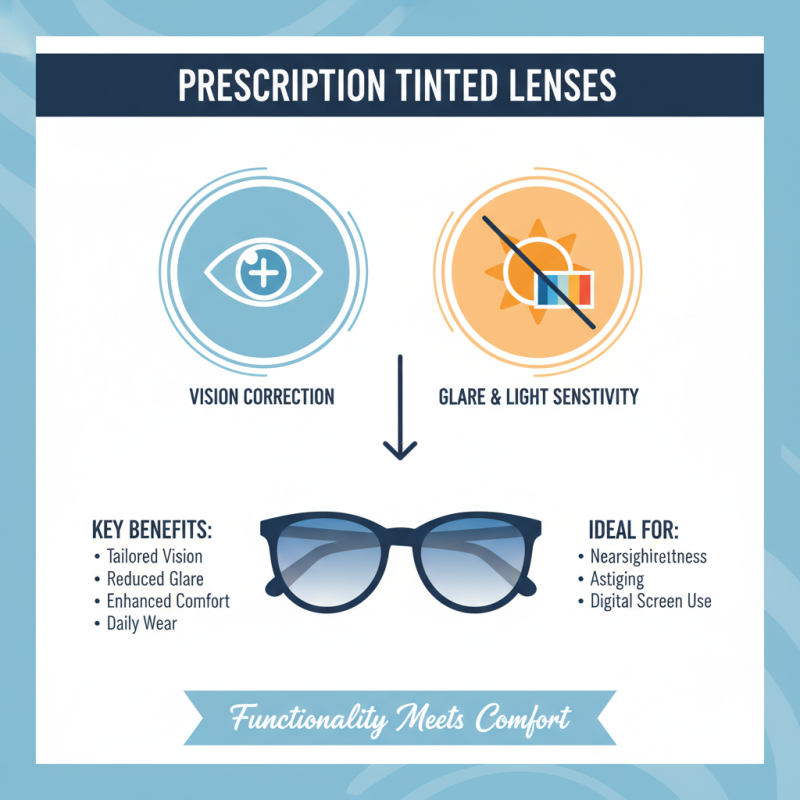
When it comes to selecting tinted lenses, one of the first considerations is whether you need prescription or non-prescription options. Prescription tinted lenses are tailored to address specific vision requirements, such as nearsightedness or astigmatism, while incorporating colored tints that can help with glare reduction or light sensitivity. This option is particularly beneficial for individuals who need corrective vision while also seeking the advantages of tinted lenses, providing both functionality and comfort for daily wear.
On the other hand, non-prescription tinted lenses serve a different purpose. They are ideal for those who do not require vision correction but wish to enjoy the benefits of tinted lenses for activities such as driving, sports, or simply enhancing outdoor experiences. Non-prescription lenses come in various tints and can be selected based on personal preference for aesthetic appeal or specific light conditions. Understanding your needs and determining which type of lens best suits your lifestyle will help you make the most informed choice in your tinted lens selection.
Tips for Proper Care and Maintenance of Tinted Lenses
When it comes to maintaining tinted lenses, proper care is essential to ensure they remain functional and visually appealing. First and foremost, regular cleaning is crucial. Use a microfiber cloth and a suitable lens cleaner to wipe away dirt and fingerprints. Avoid using paper products or any abrasive materials, as these can scratch the surface of the lenses, diminishing their tint and overall clarity. It’s also advisable to clean your lenses daily, especially if you wear them frequently.
Additionally, storing tinted lenses properly can significantly extend their lifespan. When not in use, keep your lenses in a protective case to prevent scratches and exposure to dust or debris. Avoid leaving them in extreme temperatures, such as inside a hot car, as this can affect the tint and overall integrity of the lenses. Finally, be mindful of the type of activities you engage in while wearing tinted lenses; try to avoid situations that might subject them to excessive stress or impacts, which could lead to damage. By following these simple care guidelines, you can enjoy your tinted lenses for a longer period while maintaining their performance and appearance.